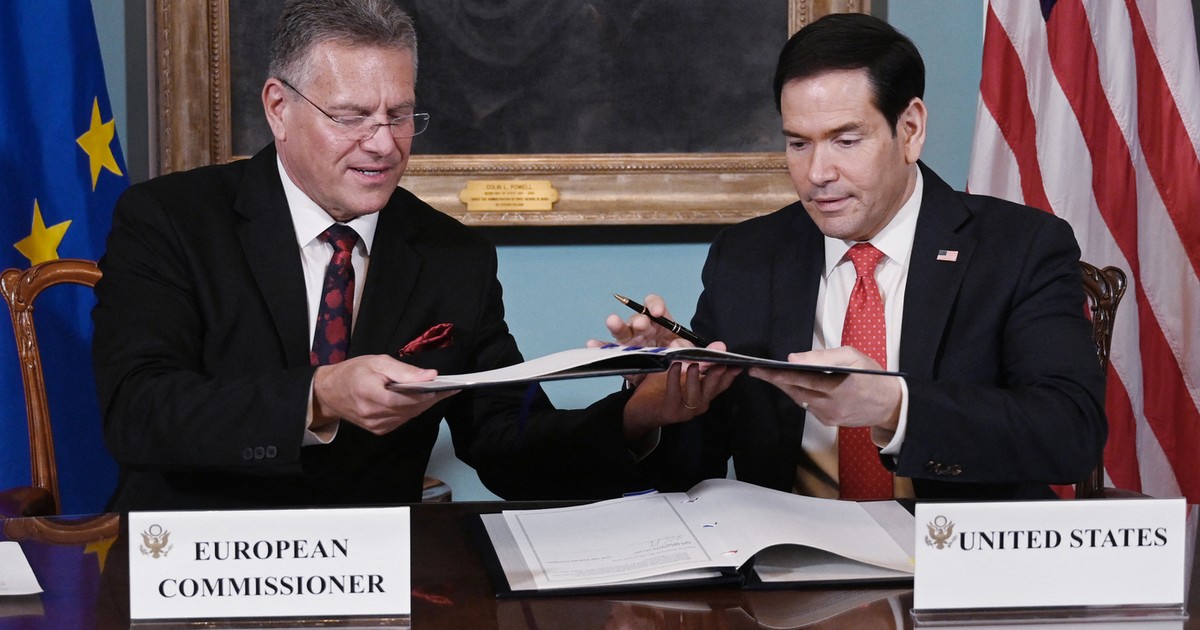
On Friday, US Secretary of State Marco Rubio and EU Trade Commissioner Maroš Šefčovič signed a memorandum of partnership regarding the production and security of supplies of critical raw materials. Additionally presented a detailed action plan in the area of trade in these materials.
Rubio did not directly refer to China, but emphasized that the new agreement with Brussels reflects growing awareness among Western allies about the importance of stable supply chains of critical raw materials for the economy.
— Excessive concentration of these resources and domination of one or two regions is a risk we cannot accept. We need diversity in our supply chains, said the US Secretary of State.
Read also: Blockading Iranian ports does nothing. Tehran makes money anyway
The West's response to geopolitical pressure
China has been using its strong position in the critical raw materials market as a tool of geoeconomic pressure for years. Export restrictions, price pressure and hindering the diversification of supply sources affect industries that are key to the US and the EU – from the production of electric cars to the defense sector.
The new memorandum is intended to help the West become independent from such practices. Commissioner Šefčovič announced that the agreement may accelerate the launch of the first pilot projects later this year, including tests of the minimum price mechanism. — Critical raw materials are the foundation of every industry that shapes the future competitiveness of economies, he noted.
Read also: The Strait of Hormuz may not be fully opened before the second half of 2026
Trade, prices and industrial protection
Jamieson Greer, the US Trade Representative, also announced a separate action plan. The document assumes coordination of trade policies of Washington and Brussels towards what it calls “non-market practices” that have distorted global supply chains of critical raw materials.
The United States and the European Union are to analyze the use of tools such as border-adjusted minimum prices and reference price mechanisms. The aim is to strengthen domestic producers of raw materials and protect sectors considered key to industrial competitiveness.
— The real test now will be implementation. We must translate these agreements into specific initiatives that will benefit entrepreneurs, emphasized Šefčovič during his speech at the State Department.
Read also: Oil prices are rising again. Tension in the markets is also returning
Preferential raw material block
The announcements are part of a broader transatlantic strategy. Already in February, the US and the EU announced work on a joint action plan. US Vice President JD Vance then spoke about the possibility of creating a preferential trading bloc covering critical raw materials, potentially with agreed minimum prices. The USA has previously concluded similar agreements, among others: with Japan and Mexico.
The document also assumes the development of a multilateral initiative with the participation of “like-minded partners”, which is intended to increase the resilience of global supply chains. The analyzed tools include: subsidies to compensate for price differences, raw material offtake agreements, common mining and processing standards, as well as building strategic reserves.