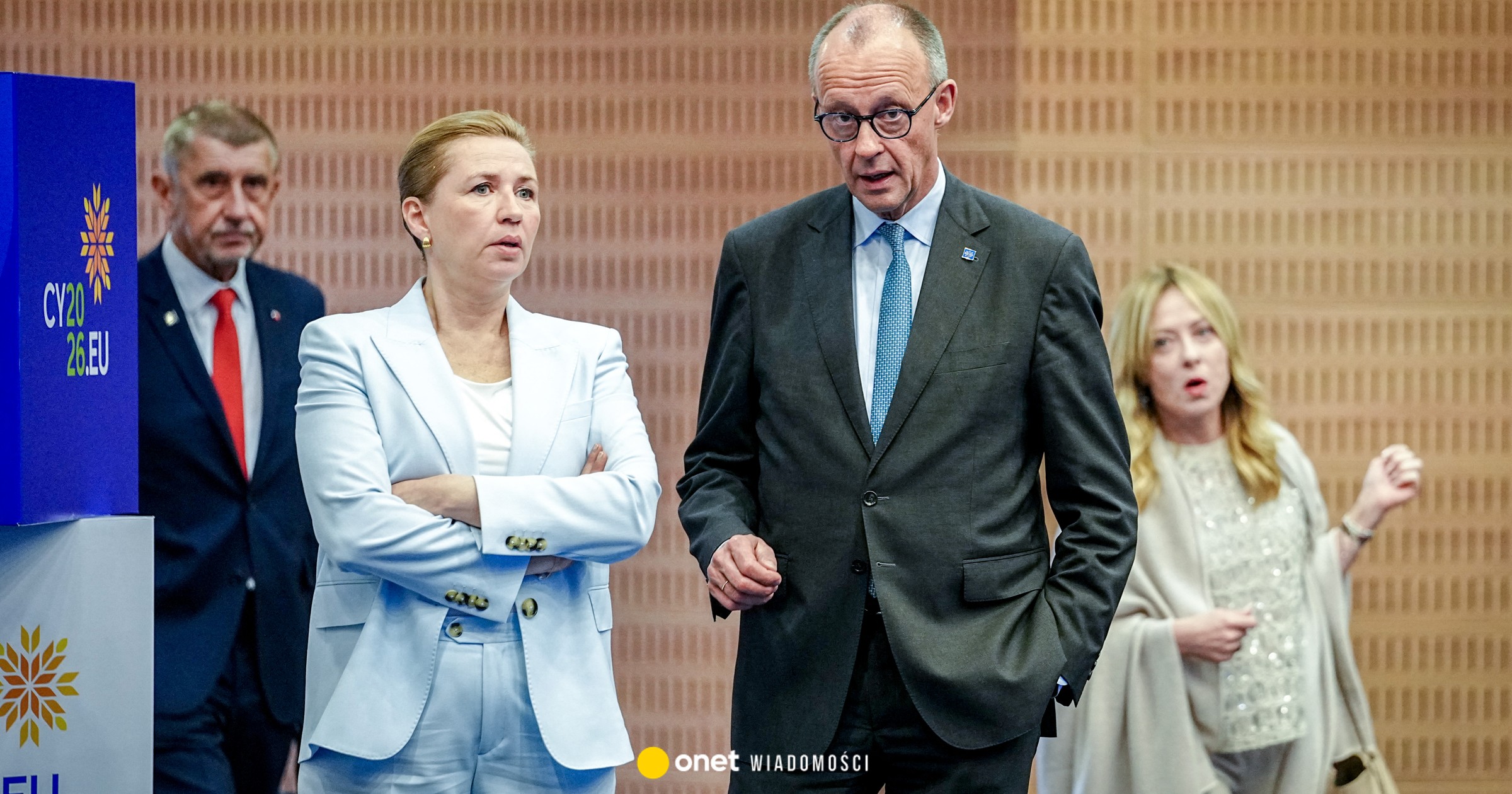
It was clear from the beginning that the informal meeting of EU heads of state and government in Cyprus would not be an occasion for celebration in these times of crisis. However, EU leaders wanted to avoid a situation in which the results of the meeting would be so modest.
Many hours of negotiations in pleasant spring temperatures in the resort of Agia Napa in the southeast of the island were a marathon through a thicket of topics that mostly had little in common.
As a result, many issues remained in limbo and it is questionable whether European citizens really understood what was actually discussed at this summit. It was another EU summit under a glass dome, an event for European elites. There have been no concrete answers to the concerns of people who suffer from, among others: due to price increases as a result of the war with Iran.
But what can Brussels do now against rising energy prices? Finally, the President of the European Commission, Ursula von der Leyen, proposed in a strategic document better coordination of fuel supplies in the EU, issuing energy vouchers or reducing taxes on electricity. It was all with good intentions.
However, when asked whether the European Commission was doing enough to protect people from high energy prices, Belgian Prime Minister Bart De Wever commented scathingly: “It is doing what it can – it may not be enough, but it is the best it can.” He hit the nail on the head: Brussels is largely powerless in the face of rising energy prices. Each country must decide for itself what it does.
Energy prices were on the agenda in connection with discussions about Iran. In fact, Europeans play no role in resolving the conflict between Iran and the United States and Israel. One thing is certain: they do not want to intervene, even though US President Donald Trump has repeatedly demanded it. The EU also remains outside the conflict between Israel and Lebanon – even if French President Emmanuel Macron wants his country to play a significant role in it.
The article continues below the video
At least EU countries managed to agree on a common appeal. The message is: the war with Iran must end. — It is in the interest of all of us to restore stability and calm down world economies as soon as possible – this is how the French president summed up the mood during the summit. There is a high risk that this appeal will go unheeded.
Berlin, however, surprised with a specific proposal: Instead of engaging in war, Germany chooses diplomacy. The federal government in Cyprus has advocated for the easing of sanctions against the terrorist regime in Iran if there is a comprehensive agreement on the reopening of the Strait of Hormuz. Meanwhile, the EU has only just tightened sanctions on Iran after the brutal crackdown on protests earlier this year.
The regime in Tehran is unlikely to be impressed by this turnaround from Berlin, but it can show the mullahs one thing above all: how desperate Europeans are currently due to the war in Iran and how powerless they feel to contain the consequences of the conflict.
The EU is in a quandary
The wide range of topics discussed during the summit also included Ukraine's accession to the EU, the European mutual defense clause and the bloc's long-term budget. Everything was moved in a hurry.
Ukraine topic: Kyiv is pushing hard for a binding, early date of accession to the EU. Von der Leyen once indicated 2029 as a possible year of accession. At the same time, one of the top diplomats said in an interview for the Welt am Sonntag newspaper that Ukraine “will not become an EU member this decade.”
President of the European Commission Ursula von der Leyen, President of Ukraine Volodymyr Zelensky and President of the European Council Antonio Costa. Nicosia, Cyprus, April 24, 2026Rex Features/East News/Shutterstock/East News
The EU is in a difficult situation. He does not want to discourage Kiev and delay so as not to jeopardize reforms in the country and motivate Ukrainians to persevere in the war with Russia. On the other hand, many member states are against accelerated accession because, in their opinion, Ukraine is not ready for it yet.
The subject of the EU mutual defense clause: Although this clause has been included in Art. for many years. 42 section 7 of the Treaty on European Union, no one really knows what should be done in the event of war. Who is talking to whom and at what point? Who has what competences? Should the European Commission coordinate actions? Everything is unclear.
Theme of the EU budget for 2028-2034: Merz ruled out increasing debt and issuing EU bonds. This will likely cause a wave of anxiety soon. However, the German Chancellor seemed confident: “Europe has to deal with the money we have.”
I’m Ashley Davis as an editor, I’m committed to upholding the highest standards of integrity and accuracy in every piece we publish. My work is driven by curiosity, a passion for truth, and a belief that journalism plays a crucial role in shaping public discourse. I strive to tell stories that not only inform but also inspire action and conversation.