A mother grieving the loss of her only child has died by assisted suicide in Switzerland. The case sparked heated debates in Britain

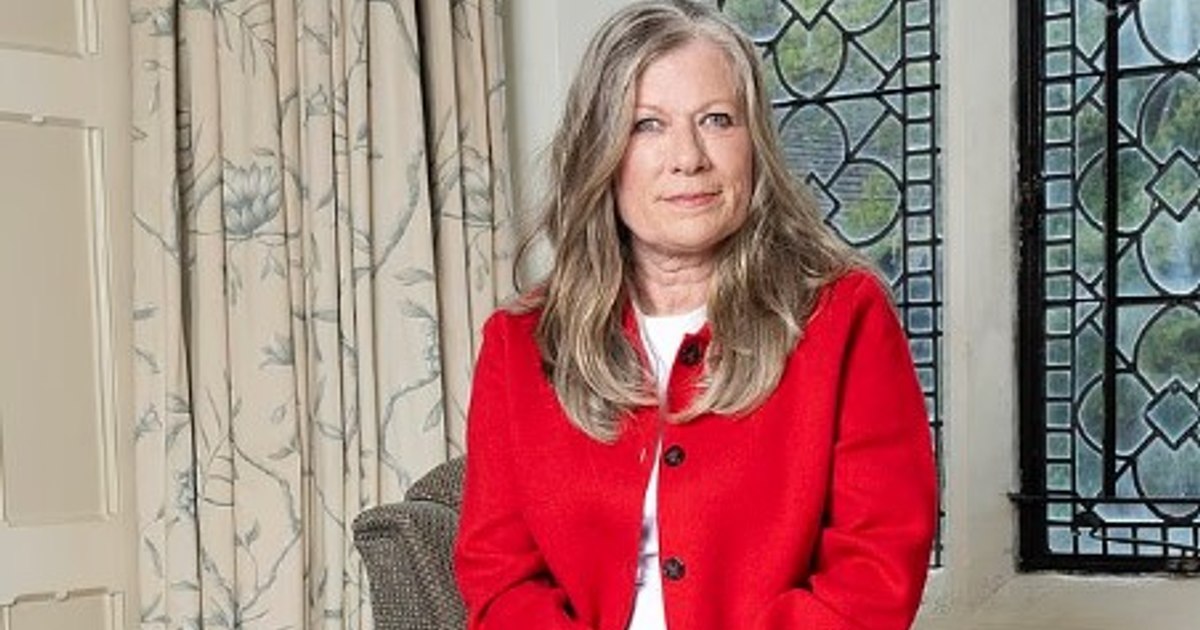
A British mother, perfectly healthy but overwhelmed by the pain of losing her son, ended her life on Friday at a specialist clinic in Switzerland, aged just 56, the Daily Mail reports.
Wendy Duffy died on Thursday at a clinic in Switzerland PHOTO Photo capture via Daily Mail
Wendy Duffy used her life savings – around £10,000 – to pay for services at the Pegasos clinic in Basel. The case sparked strong and divided reactions in Britain.
Two days before she left for Switzerland, the woman told her story in an interview with the Daily Mail, explaining that she wanted to draw attention to what she sees as the “injustice” of the current system for her family in Britain. His death, described by clinic representatives as a “suicide committed in full health”, came on the same day the Assisted Dying Bill for terminally ill adults failed after the House of Lords ran out of time to complete debate.
Pegasos founder Ruedi Habegger confirmed that the procedure was carried out at Wendy Duffy's explicit request on April 24 without incident and in accordance with her wishes. He emphasized that both the clinic team and the specialists who evaluated his mental faculties had no doubts about his discernment and the autonomy of his decision.
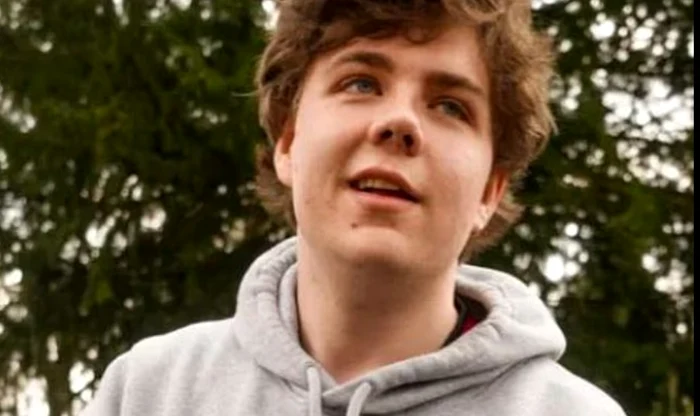
A former care worker originally from the West Midlands, Wendy was considered physically fit and in full mental faculties. But her life was deeply marked by the tragedy that happened four years ago, when she lost her only child, Marcus, aged 23. The young man choked while eating a sandwich, a piece of tomato blocking his trachea and depriving his brain of oxygen.
In her final moments, Wendy chose to wear one of her son's T-shirts, saying that “it still retains its smell.” Eshe confessed that she wants the end of her life to be accompanied by music, specifically the song “Die With A Smile” performed by Lady Gaga and Bruno Mars.
The woman described the decision to end her life as “assumed” and even “serene”, saying that this way “her spirit will be free”. “It will be hard for everyone, but I want to die. I will end with a smile on my face, so please be happy for me. My life, my choice”she said, adding that she wished this option was also available in the UK.
Pegasos representatives said the acceptance process is rigorous, involving detailed evaluations by a team of experts, including psychiatrists, over several months and based on the applicant's complete medical history.
Wendy left for Switzerland on a one-way ticket and died in the morning of the same day. His family – four sisters and two brothers – were aware of her decision, but not the exact timing, to avoid possible legal consequences for them. In the UK, any form of assisted suicide can attract investigations or even prosecution.
She explained that she did not choose a violent way to die in order not to harm other people: “I could have jumped off a bridge or off a block of flats, but that would have left someone with the trauma of finding me for the rest of their lives.”
Heated debates in Great Britain on the subject of assisted suicide
According to Swiss law, it is forbidden to make a profit from assisted death, and the Pegasos clinic is an NGO.
Clients cover the cost of drugs, doctors' fees – capped so they can't earn more than they would earn in a hospital – and funeral expenses. Some of the funds also go to the Swiss state.
Growing concern about taxpayers paying for “death tourism” has led to an agreement between clinics and authorities so that police and coroner's charges – which are routine in any death – are handled by the clinics.
The case of the Canadian actress who wants to die by assisted suicide due to mental suffering
Pegasos founder Ruedi Habegger told the Daily Mail: “There is a red line that we can't cross, otherwise let's not talk about assisted suicide, but even call it murder.”
Wendy is not the first Briton to turn to the Pegasos clinic, but her case has sparked strong public reactions.
Last year, a Welsh woman called Anne secretly ended her life at the Pegasos clinic after telling her family she was going on holiday.
Opponents of any change to assisted dying legislation in the UK argue that if terminally ill people are given the 'right' to die in any circumstances, then it won't be long before those who are not close to death will demand to be given the same right.
Alistair Thompson, spokesman for Care Not Killing, told the Daily Mail: “This is a tragic case which highlights the real dangers of legalizing assisted suicide and euthanasia.”
“In recent years, we have seen people with diabetes, eating disorders and even those who are losing their physical appearance request to end their lives under assisted dying legislation.”
“What we should be doing is focusing on quality palliative care rather than tolerating the death of people who are obviously suffering in different ways.”
Labor MP Rachael Maskell, who voted against assisted dying, said: “Complex pain needs to be much better understood and supported.”
“Nothing can be more tragic than losing your own child in unexpected circumstances, but Wendy's story highlights why much more needs to be invested in trauma management; the answer is not to end your own life.”
“Investment in trauma-informed approaches to pain is crucial, while for those with persistent mental health problems, services must improve rapidly.
Drama in a family from Iasi: a 14-year-old Olympic student committed suicide. What investigators and psychologists say
“However, I think we have another duty – the Pegasos clinic in Switzerland should alarm us, and we as Parliament should explore ways to protect people from using their 'services' if we want to protect the most vulnerable people.”
Protests took place outside Parliament this week, with supporters of assisted dying including the daughter of British journalist Dame Esther Rantzen saying she was “furious” at the House of Lords after accusing it of blocking the vote through “democratic vandalism”.
Dame Esther, 85, has been among the loudest pro-euthanasia voices after being diagnosed with terminal lung cancer in 2023. She was unable to attend the protest in person as she is in palliative care.
Kim Leadbeater, the MP who first proposed the legislation to Parliament in October 2024, told protesters it was “democratically and morally wrong for the House of Lords to prevent the bill from passing and allow it to be rejected”.
Opponents of assisted dying were accused of using “procedural tactics” to block the bill after more than 1,000 amendments were tabled in the upper house.
The bill was twice passed by the House of Commons, although the second time by a narrower majority.
For the existing bill to become law, it had to go through additional review stages in the House of Lords by Friday so that both Houses could agree on the final wording.