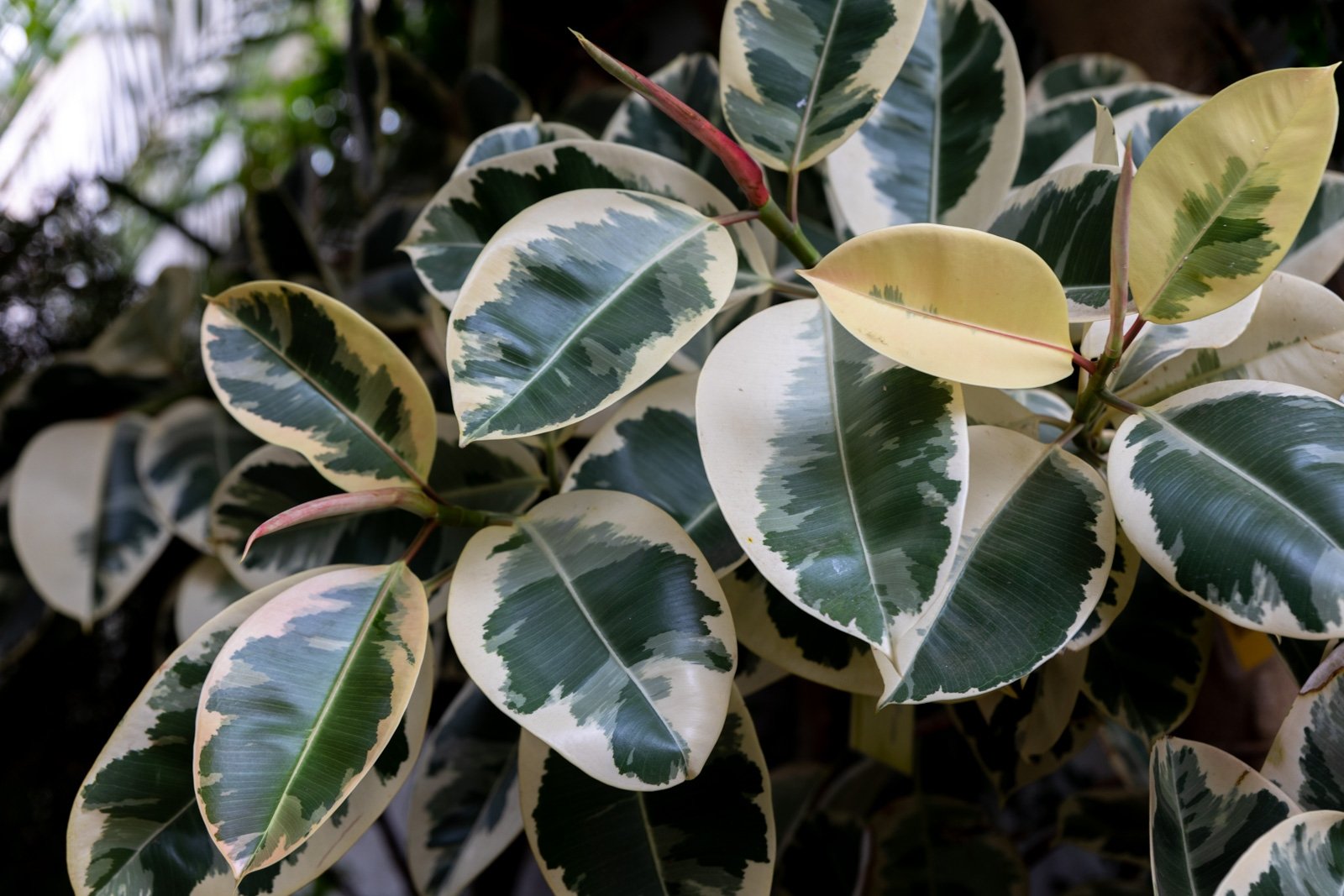
Ficus benjamina is considered a rather capricious indoor plant. Especially often, a green pet suffers from chlorosis – a condition when the plant is catastrophically lacking iron.
Signs of “iron starvation” in ficus
- Chlorosis appears predominantly on the young upper leaves, while the lower ones remain healthy.
- The veins of the leaves remain green, and the areas between them become noticeably lighter.
- Lightening of leaf tissues occurs evenly, without the formation of individual spots.
- Young leaves are slow in growth or grow deformed.
In advanced cases, there is a gradual yellowing of old leaves, drying and falling, as well as the death of the tips of the shoots.
Supplement to replenish iron deficiency
The most effective method for both treatment and prevention is spraying and watering with iron chelate. This drug in chelated form is absorbed several times better than conventional sulfates, and quickly returns the plant to a healthy appearance.
How to use iron chelate for ficus
For prevention, it is recommended to dilute 2.5 g of iron chelate in 5 liters of water, but a diseased ficus can be treated with a more concentrated solution (2.5 g per 2.5 liters of water).
Apply fertilizer 2 times during the growth period, then 1 more time at an interval of two weeks. You can water it at the root and spray it on the leaves.
An amateur florist under the nickname Ambrozy from the irecommend portal (18+) admitted that she used this remedy on all indoor plants as a preventive measure, as a result of which they began to grow together.
“My ficus is definitely going crazy from this bait and I am happy and grateful to the people who advised me to use iron chelate,” said the grower.