Imagine you want to negotiate with Iran – and it simply doesn't send anyone to the talks. This is exactly the humiliation Donald Trump is currently experiencing. War costs billions every day, and in the United States alone, most citizens think it is a terrible idea.
That is why the American president wants to force Iran to talk and end this crisis as quickly as possible.
Meanwhile, Tehran is playing for time. “Losers don't dictate the terms,” Iranian leaders reportedly told Trump when he wanted to send his delegation to the next round of negotiations. That must have hurt.
So Trump is left with a particularly bitter move: reaching for a solution that he himself once ridiculed. However, no one guarantees that it will be successful.
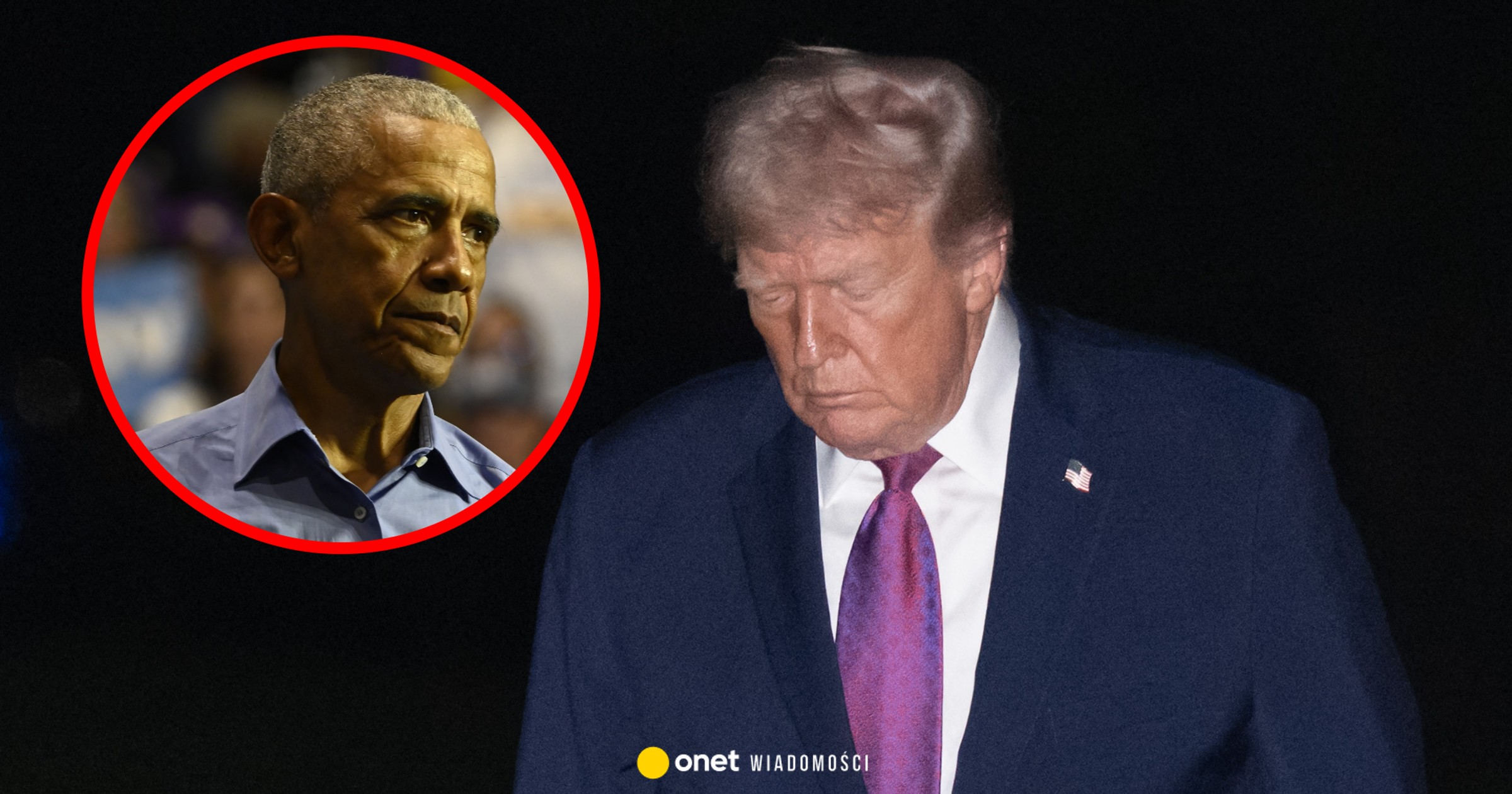
Obama also grappled with Iran's nuclear ambitions during his presidency. Shortly after taking office, he sent a secret letter to Ayatollah Ali Khamenei and tried to revive the frozen relations between the countries.
But the Ayatollah only showed us the middle finger
— Obama wrote in his presidential memoirs.
Then Washington tightened the sanctions screw and forced Iran to talk. After 20 months of negotiations, on July 14, 2015, a nuclear agreement with the complicated name “Joint Comprehensive Plan of Action” (JCPOA) appeared on the table.
Tehran destroyed several thousand centrifuges used to enrich uranium and agreed to close supervision of its installations by experts from the International Atomic Energy Agency.
They controlled every gram of uranium in the country
– former US Secretary of State John Kerry emphasized this week.
The goal of Obama's agreement was to extend the “breakout time” — the period it would take for Iran to build a nuclear bomb from its nuclear material — from two months to a year. This was to give the United States time to respond appropriately. In return, Washington eased many existing sanctions, and after five years it would even allow the purchase and sale of heavy weapons by Iran again.
However, this did not happen. In May 2018, Trump broke off – as he himself said – “the worst deal in history” negotiated by his hated predecessor. But now he has no choice but to copy Obama's past success with gnashing of teeth – or at least try.
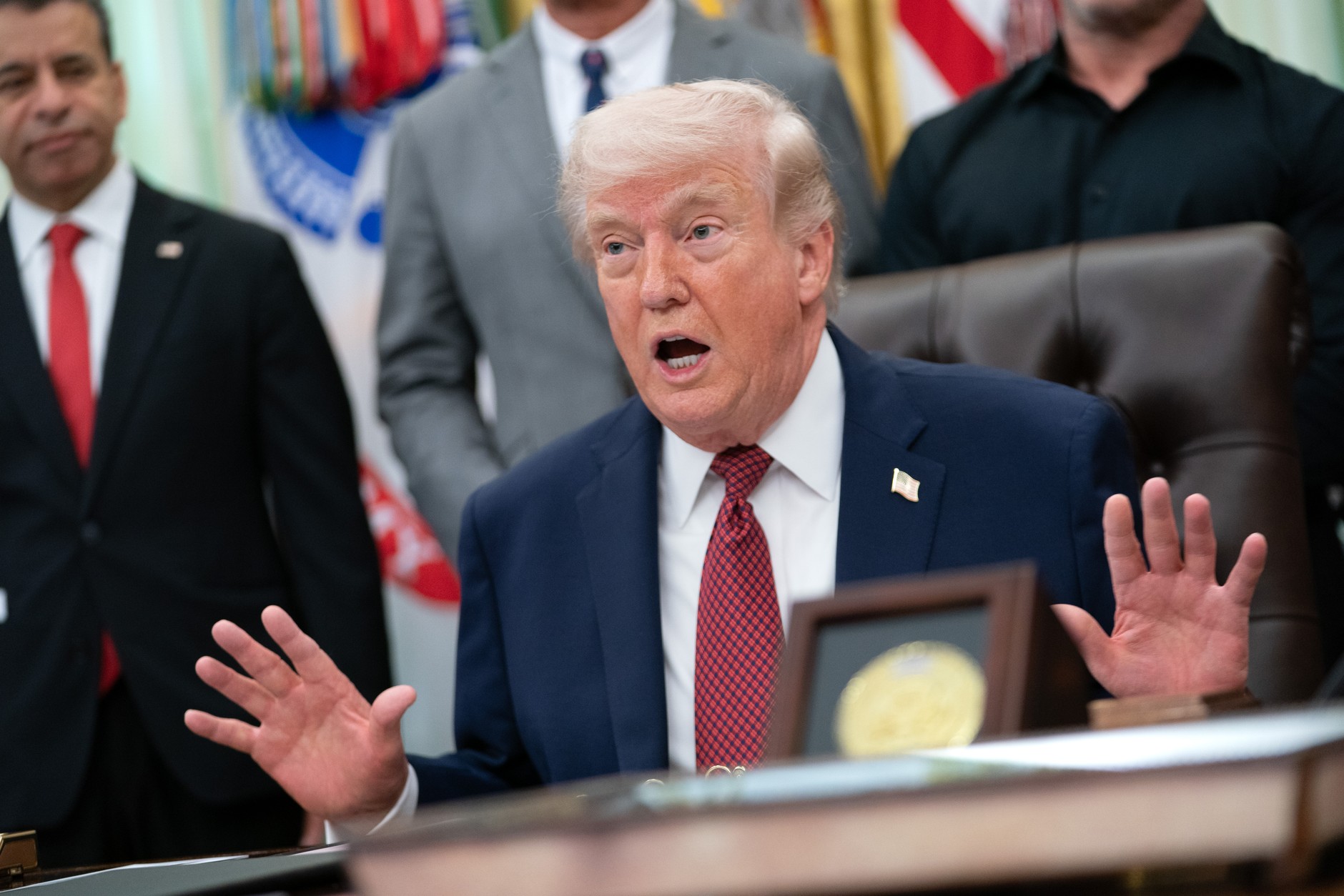
Donald TrumpAllison Robbert/For The Washington Post via Getty Images / Contributor / Getty Images
Of course, Trump has already announced that his agreement will be “much better” than the one concluded by Obama. However, many issues remain unclear – primarily whether Iran will want to take part in this at all and whether Iranian negotiators will actually have something to say in the conditions of political chaos in Tehran.
This much is known for today: Trump demands a complete halt to Iran's uranium enrichment and limits to Iran's weapons arsenal.
Will there be a financial image disaster?
Particularly sensitive for Trump is the American proposal to release several billion in frozen assets to Iran in return.
According to reports by Axios and CNN, Washington is ready to transfer the equivalent of up to $20 billion to Tehran. (approx. PLN 79 billion). Since Iran is cut off from international banking systems and there are no direct financial relations between the two countries, the money would have to be paid in cash.
And this would be a real image disaster for Trump.
The article continues below the video
For years, he ridiculed Obama for giving Iran $1 billion,700 million in 2016 as part of the end of an old legal dispute unrelated to nuclear negotiations. (approx. PLN 6,700 million) in cash, partly in Swiss francs and euro, transported by plane. Photos of huge stacks of banknotes then spread around the world.
“A disgrace,” commented Trump then, who may now become the largest supplier of cash to the Iranian authorities.
The American president needs an agreement — preferably before the midterm elections in November. So everything must go much faster than during Obama's times. And of course it can't look like it's copying its predecessor.
Nobody wants to be caught quietly taking ideas from the supposedly “worst negotiator in history” and then selling them as their own success.
I’m Ashley Davis as an editor, I’m committed to upholding the highest standards of integrity and accuracy in every piece we publish. My work is driven by curiosity, a passion for truth, and a belief that journalism plays a crucial role in shaping public discourse. I strive to tell stories that not only inform but also inspire action and conversation.