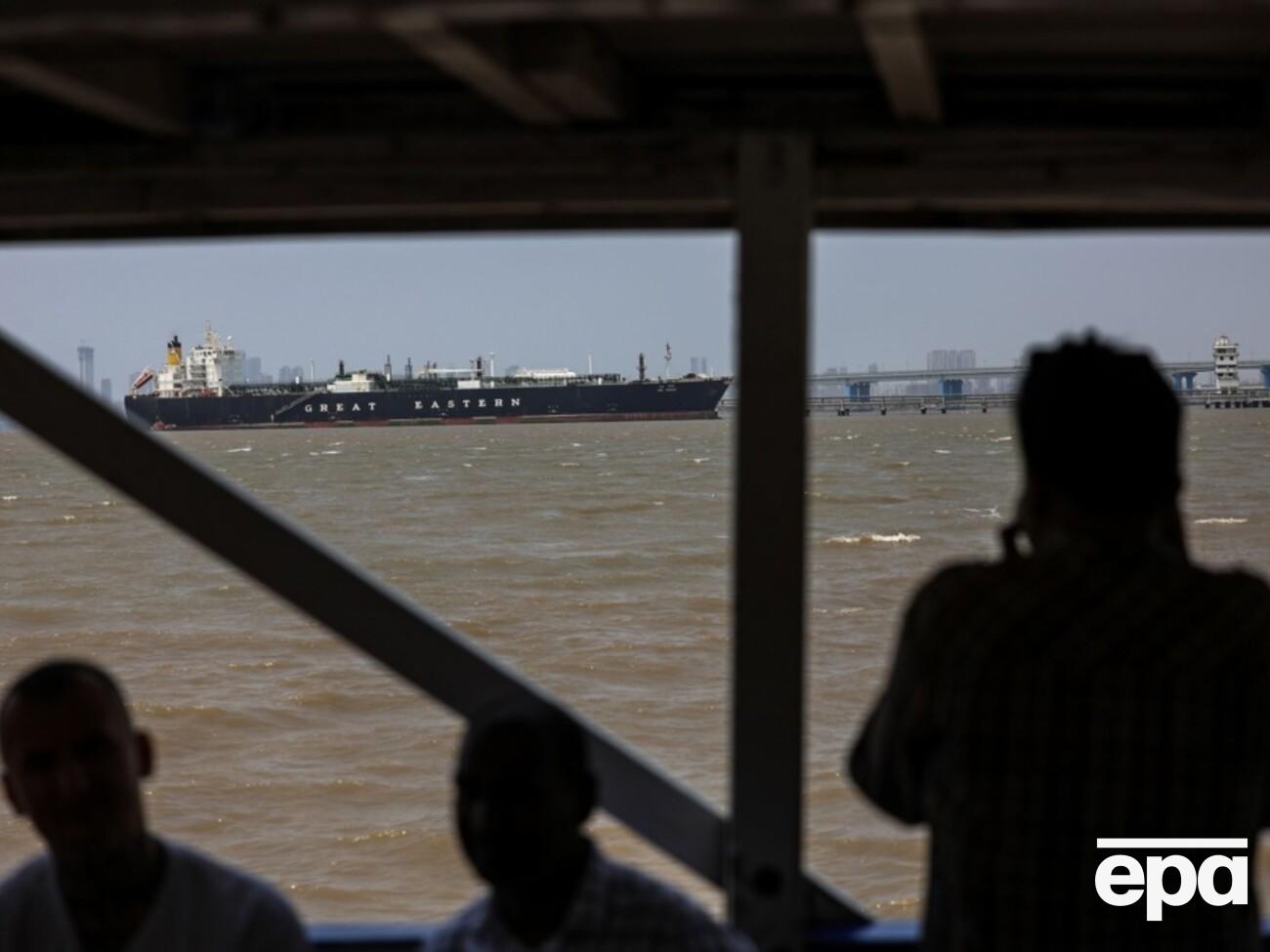
The Greek consulting company Marisks said it analyzed such messages and came to the conclusion that they have nothing to do with the Iranian authorities and are fraudulent.
According to these reports, the price of “passing” varied depending on the country. The so-called friendly states allegedly enjoyed better conditions. After payment, ships were required to send a special code, similar to a PIN, which had to be transmitted in the area of Laraque Island, and a specific time was determined when transit was allowed to begin.
At the same time, the very idea of toll passage through the strait was actually discussed in Iran before. They were talking about possible payments of up to $2 million, Lloyd's List wrote at the end of March.
Marisks noted that at least one ship has already become a victim of scammers: after “payment” it tried to pass through the strait, but the Iranian military fired warning shots and declared that it did not have permission.
The situation is aggravated by the fact that Iran periodically announces the closure of the strait, although individual ships continue to move, sometimes without tracking systems turned on.
Analysts note that the status of the Strait of Hormuz remains one of the main factors of tension in the region, as well as an important tool for Iran’s influence on international trade and the safety of navigation.
Context
Amid the US-Israeli war against Iran, shipping in the Strait of Hormuz has almost stopped since March 1, leading to a sharp rise in oil prices.
At midnight on March 22, US President Donald Trump threatened to strike Iranian energy facilities if the Strait of Hormuz was not fully opened within 48 hours. After this, the country's representative at the UN maritime agency, Ali Mousavi, said that ships not related to “Iran's enemies” could pass through the strait, subject to coordination of security measures with Tehran.
As the New York Post wrote on March 31, Trump said the Strait of Hormuz would “open on its own,” and the United States, he said, would not have to stay in Iran “for too long.”
On April 2, Euronews reported that more than 40 countries announced the creation of a coalition to ensure free and safe passage through the Strait of Hormuz after the end of the hot phase of the war.