In second place, according to preliminary data, is the electoral coalition of two Bulgarian parties GERB-SDS (Citizens for the European Development of Bulgaria and the Union of Democratic Forces) with a result of about 15%, followed by the association PP-DB (Continue the Changes and Democratic Bulgaria) with a score of about 13-14%. Next are the DPS (Movement for Rights and Freedoms) with about 8% and the Vazrazhdane party (about 5%).
The Bulgarian Socialist Party (BSP) is teetering on the brink of entering parliament: its result is about 4%, and according to some estimates – below this threshold.
According to forecasts, Progressive Bulgaria could win between 107 and 116 seats in the 240-seat parliament. GERB-SDS claims 41–47 seats, PP-DB – 38–40, DPS – 22–26, “Vazrazhdane” – 14–15.
At the same time, some sociological services admit that only five political forces can enter the new parliament if the BSP does not overcome the 4 percent barrier.
The final election results will depend on the counting of all votes, including votes from abroad.
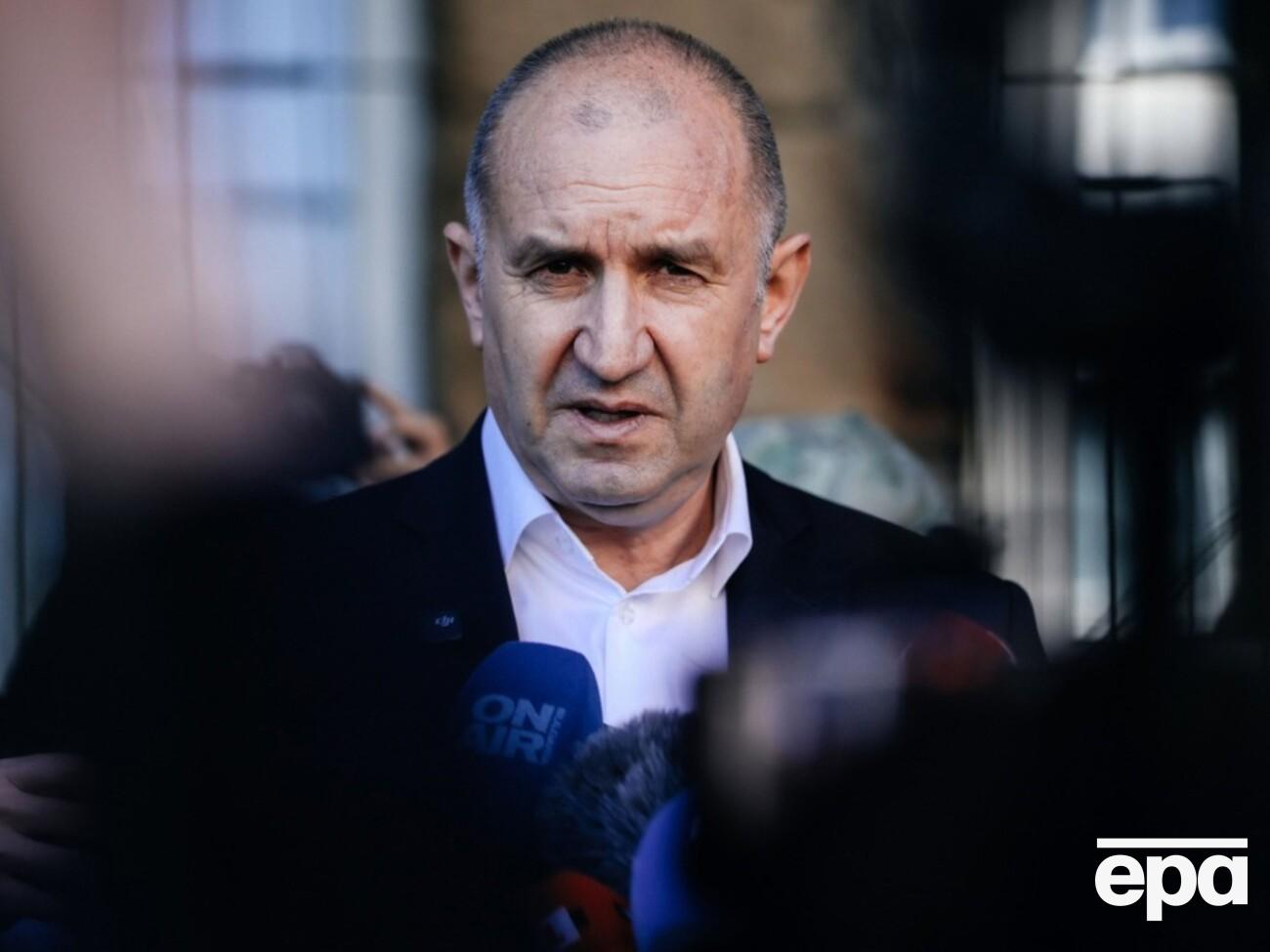
Context
Radev is considered a politician loyal to the aggressor country of the Russian Federation and a potential instrument of Russian influence in the European Union. This is associated with his anti-war position on Ukraine, criticism of Western support for Kyiv and speeches against arms supplies to Ukraine. He also previously called Crimea Russian and advocated restoring relations with Moscow, rather than putting pressure on the Russian Federation. In addition, he refused to support Ukraine's accelerated entry into NATO and criticized defense agreements with Kiev.