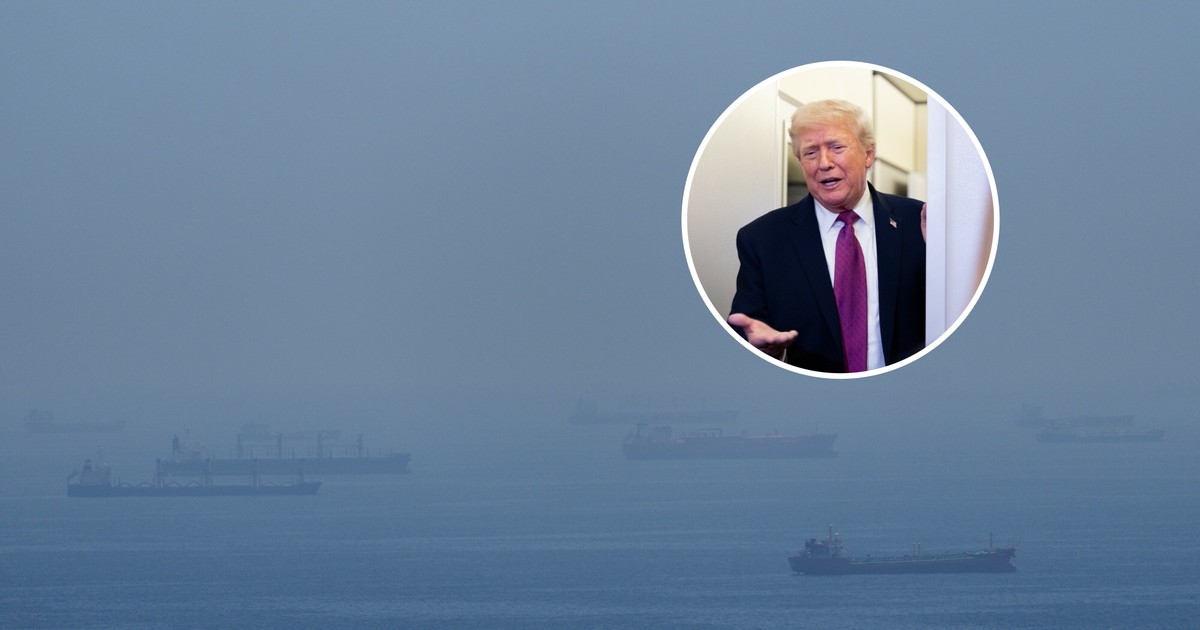
US President Donald Trump emphasizes that talks with Tehran are going “very well.” At the same time, the Iranian side is much more cautious.
Deputy Minister of Foreign Affairs of IranSaeed Khatibzadeh, noted that the date for the next round of negotiations has not yet been set, and it will be crucial to first agree on the general framework of the agreement.
One of the main points of contention remains the length of restrictions on the nuclear program – the US is talking about up to 20 years, while Iran is leaning towards a much shorter period, as reported by Reuters.
The Strait of Hormuz at the center of the conflict. This is how oil prices react
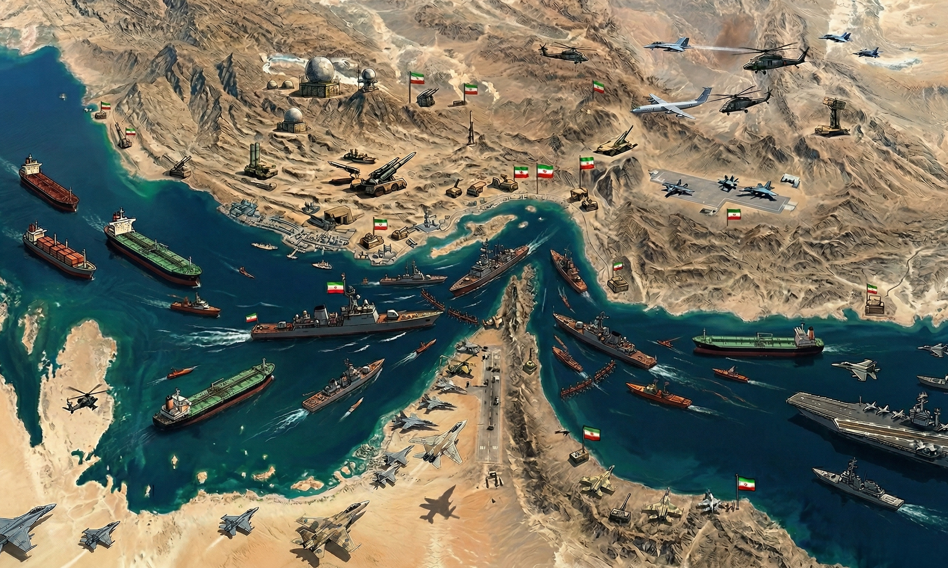
The greatest tensions center on the Strait of Hormuz, through which about one-fifth of the world's oil flows.
After a short period of relative calm, Iran again tightened its control over the route, treating it as a pressure tool in its dispute with the West. Washington describes such actions as a form of political pressure, which further complicates negotiations.
Despite emerging signals of possible unblocking of transport, the situation in the region remains far from normal. Hundreds of ships are still waiting in the Persian Gulf, and about 20,000 seafarers remain trapped, unable to safely sail through this strategic corridor.
War and its effects
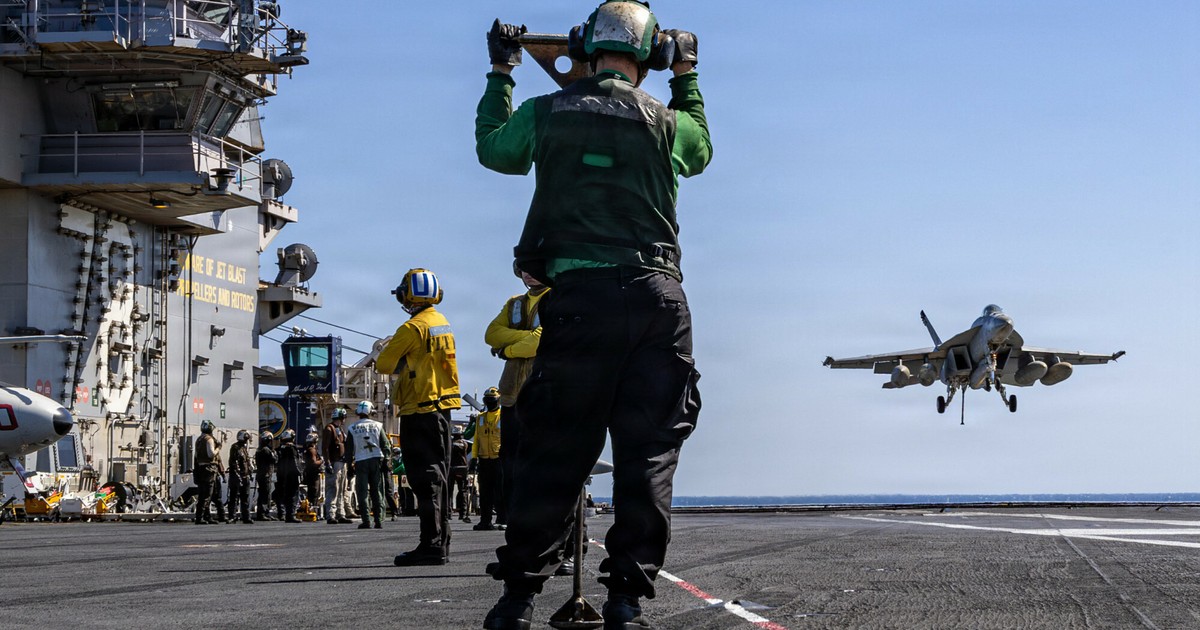
The conflict, which broke out at the end of February after the US and Israel struck Iran, quickly turned into a broader regional confrontation, destabilizing the commodity and transport markets.
Disruptions in the Strait of Hormuz led to sharp fluctuations in oil prices and increased uncertainty in financial markets. At the same time, any information about a possible breakthrough triggers strong reactions from investors – recently, oil prices fell by about 10%. , and global stock markets rebounded in anticipation of the resumption of shipping.
Political pressure in the USA
As Reuters writes, internal factors in the US are also pushing for a quick end to the conflict. Rising fuel prices and inflation are hitting households, and Republicans — led by Donald Trump — are struggling to maintain a fragile majority in Congress ahead of the November elections.
This gives the administration in Washington additional incentive to de-escalate the conflict and stabilize the energy market, as Reuters writes.
- Read also: The most populous state in the US has a fuel problem. This record worries drivers
Time is against us
An additional source of uncertainty is the expiring truce – if it is not extended, there is a risk of a return to intense military operations.
Although it is possible to resume talks in the coming days, differences in positions remain significant and the road to a lasting agreement still seems long, as Reuters emphasizes.