Iranian Foreign Ministry spokesman Esmail Baghei described the US blockade of Iranian ports on Sunday as… “unlawful and criminal”. He referred to an article of the United Nations Charter and a UN resolution that prohibits blocking a country's ports and coast. He also accused the US of committing a war crime by “imposing collective punishment on the people of Iran”, calling these actions a “crime against humanity”.
Hormuz pressure problems
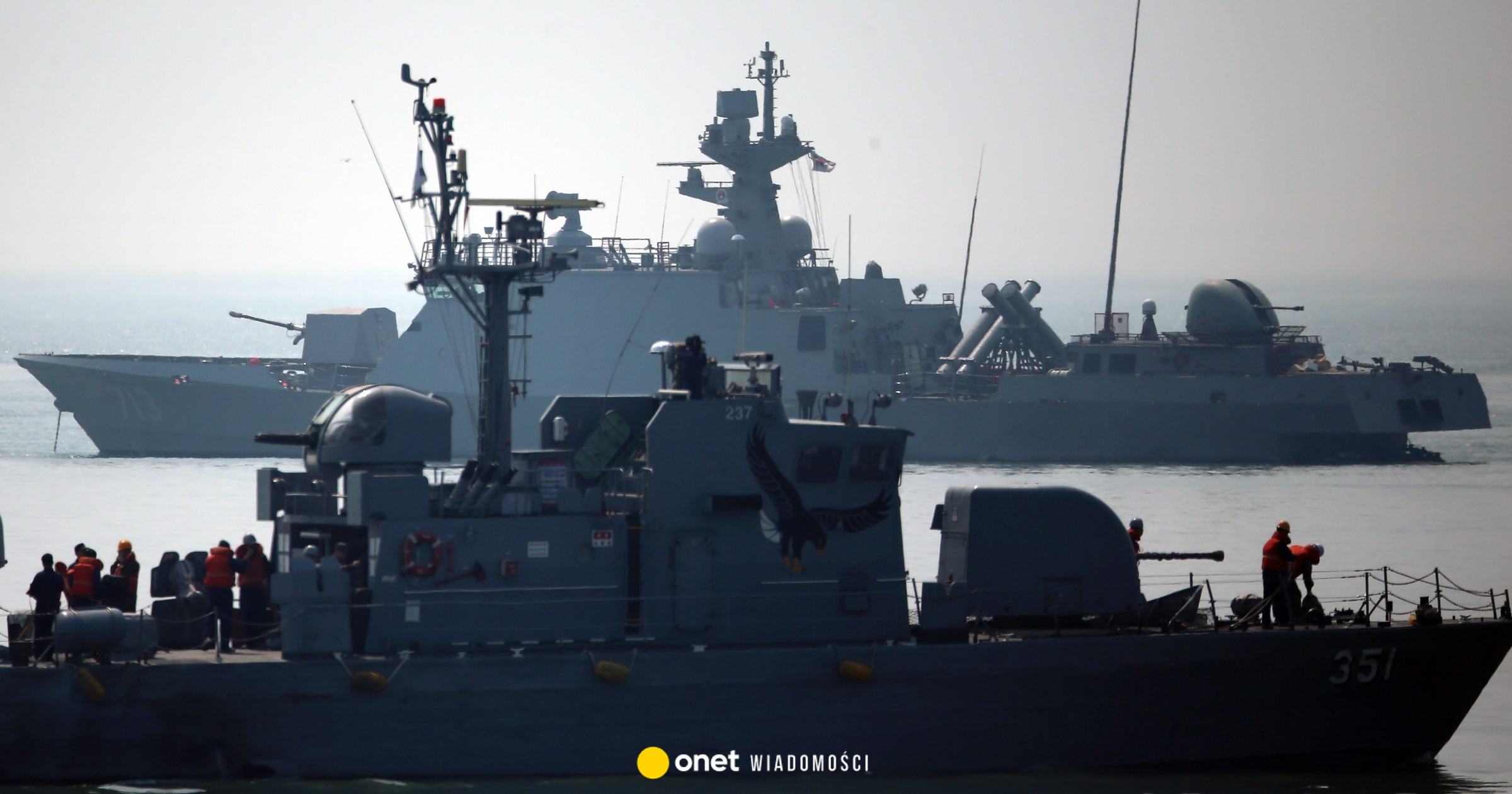
US President Donald Trump announced a naval blockade of Hormuz on April 12 after negotiations between Iran and the US failed to reach an agreement. Two days later, the commander of US Central Command (CENTCOM), Admiral Bradley Cooper, announced the full implementation of the blockade of Iranian ports. From then until Saturday inclusive, U.S. forces turned back 23 ships heading to or leaving Iranian ports – CENTCOM reported.
The White House announced that wants to cut off Iran's main source of income – oil exports to China — by excluding the country from global maritime trade. This is intended to increase pressure on Tehran, which, despite the US-Israeli bombings that began on February 28, does not agree to end the war on US terms.
This is how the cross-strait blockade affects the world
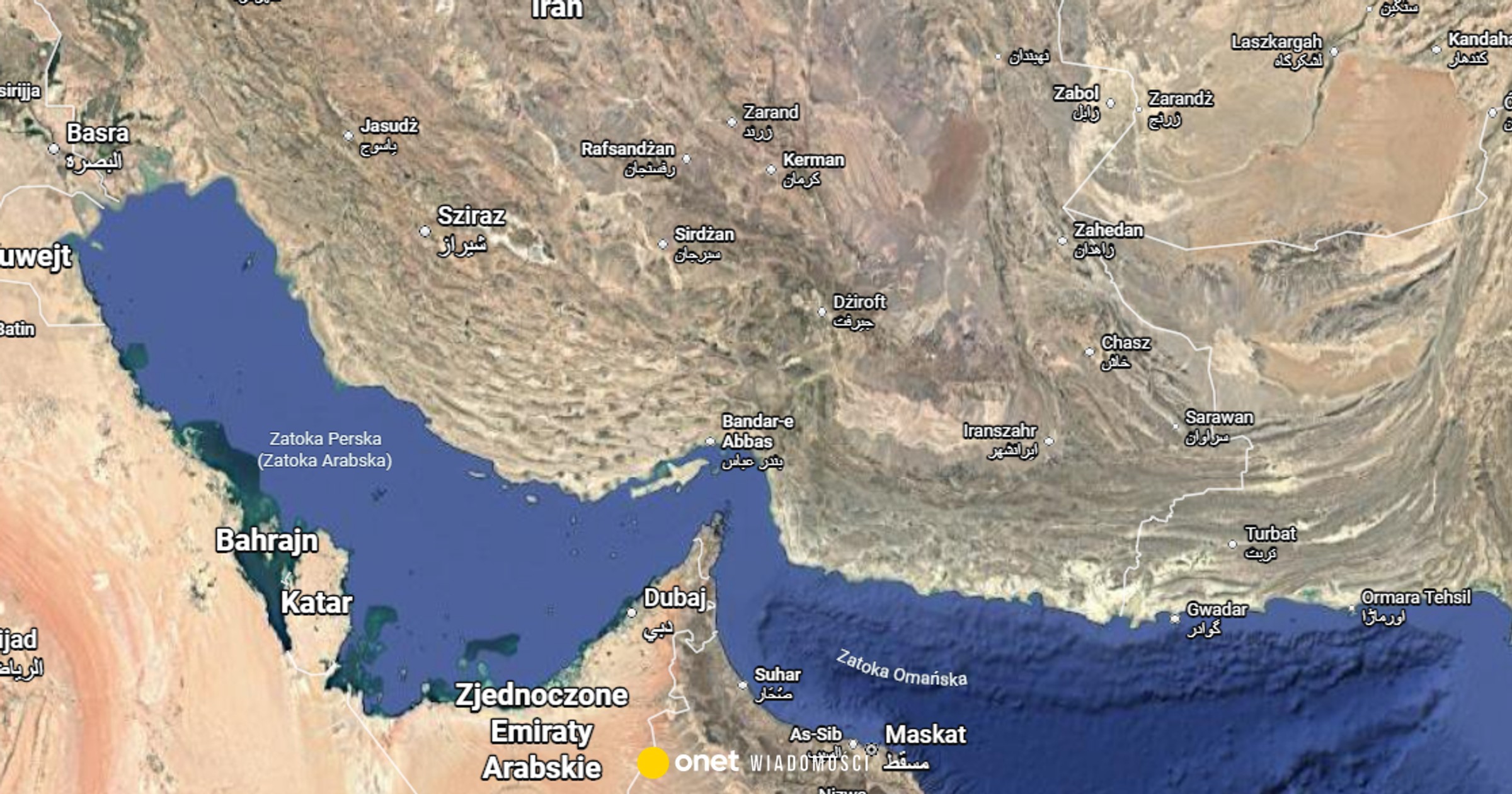
Navigation through Hormuz became difficult Iran's most effective tool during the ongoing war. The actual closure of the route which, under normal conditions, transported approximately 20 percent. world supplies of oil and liquefied gas – mainly to Asia – resulted in an increase in commodity prices and fears of an economic crisis. The American blockade also prevents the introduction of approximately 2 million barrels of Iranian oil per day to the global market limiting the global supply of raw materials.
The United States deployed its forces beyond the Persian Gulf and the Strait of Hormuz – that is, from the Indian Ocean – and they run a blockade from a distance, monitoring ships leaving ports from a distance.
International law recognizes a naval blockade as an act of war, but it may be legal if it meets certain conditions, including: informing the countries concerned and impartiality.
It must also be consistent with international humanitarian law, including the principles of military necessity and proportionality. If the civilian population lacks food, medicine, or other basic goods, the party conducting the blockade must allow humanitarian aid. In the current situation, however, the provisions of international law are interpreted differently by both sides of the conflict.
Although the waters in the Hormuz area belong to Iran and Oman, in accordance with the UN Convention on the Law of the Sea (UNCLOS), it has a right of transit, ensuring freedom of navigation in straits used for international traffic. Iran has not ratified UNCLOS, but most countries – including the US, which has not ratified it either – recognize the right to such a transition.
Yes, Iran is obstructing passage through the strait
Tehran argues that may currently limit or actually close the passage through the strait, because the trail is being used for military action against it.
Almost from the beginning of the conflict, Tehran has been obstructing the movement of some commercial ships, while allowing the passage of its own units and ships from selected countries, including: from China and Pakistan. There were also reports that Iran charged a toll of $1-2. per barrel of transported oil.
More than 600 ships are still trapped in the Persian Gulf, including 325 tankers.