Russia is preparing another big offensive in Donbas: what the Kremlin's ambitious plans are hiding

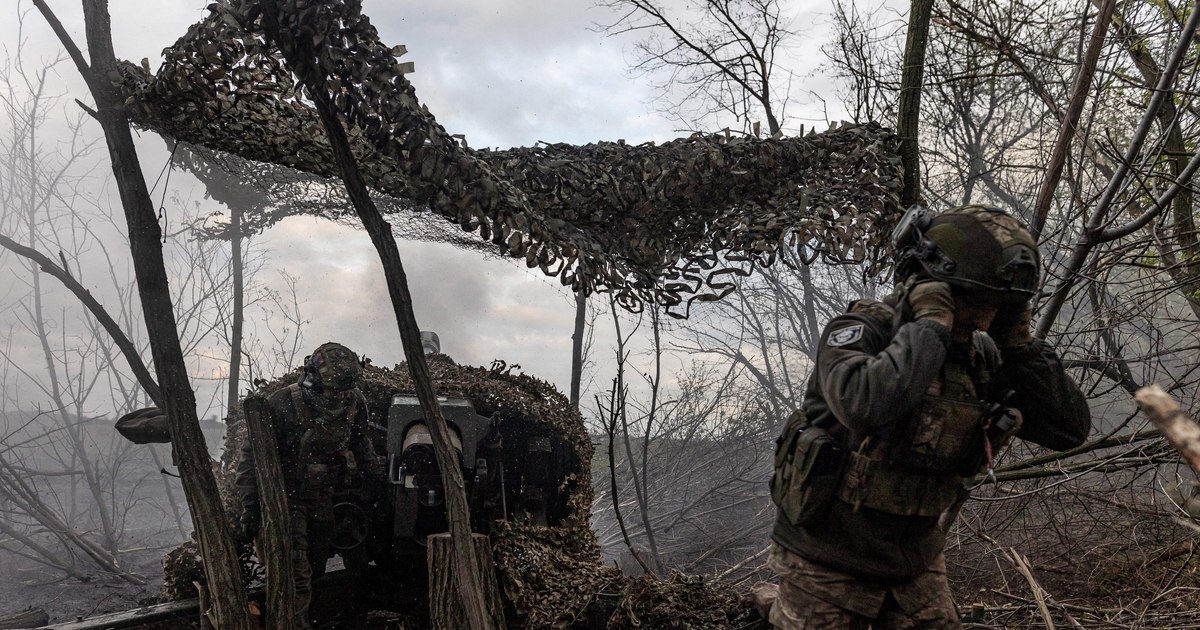
Russia is massing its forces for a new wave of offensive in eastern Ukraine, concentrating reserves and troops especially in the direction of Donetsk. Behind the optimistic scenarios promoted by the Kremlin – including the idea of conquering the entire Donbas by autumn – a much more complicated reality is taking shape, marked by uncertainties and contradictory assessments.
Ukrainian soldiers are clinging to Donetsk/PHOTO: Profimedia
According to information cited by the Western press, Moscow would pursue an ambitious goal: the complete takeover of the Donetsk and Luhansk regions, considered essential for its military strategy. In this sense, approximately 20,000 military personnel from the strategic reserves would be deployed, in a context where the Russian forces in Ukraine are already estimated at nearly 700,000 people.
Deadlines are propaganda tools rather than realistic plans
However, Ukrainian military experts warn that such deadlines are more propaganda tools than realistic plans, according to focus.ua. Military analyst Dmitro Snegiriov points out that Russia has multiple manpower mechanisms — from mobilization in occupied territories to the recruitment of mercenaries and the use of prisoners — that allow it to support the war effort without resorting to a general mobilization.
In his opinion, expectations of a rapid collapse of the Russian army, amid heavy losses, proved unfounded. Even losses estimated at hundreds of thousands of troops did not produce a strategic breaking point. At the same time, the Kremlin keeps the option of a new stage of mobilization, possibly after certain domestic political moments, which explains the intensification of operations on the front – necessary to deliver “results” to public opinion in Russia.
The situation remains tense along the entire front line
On the ground, the situation remains tense along the entire front line. The heaviest fighting continues in the Donetsk region, especially in the Pokrovsk, Kostiantînivka and Liman areas. Although the Russian troops are recording some tactical successes, the Ukrainian army is mostly managing to limit their advance and prevent the consolidation of captured positions.
In parallel, military activity intensified in the direction of Zaporozhye, where Russia would have transferred elite marine infantry units as well. Other areas, such as those in the northeast, are considered by analysts as diversionary maneuvers, intended to disperse Ukraine's defensive resources.
An even more cautious assessment comes from reservist Oleksii Hetman, a war veteran. It draws attention to the discrepancies between publicly circulated figures and official data. According to him, Russian forces at the front have remained relatively constant over the past year, at around 700,000 soldiers, and new recruitments largely compensate for losses.
Moreover, in recent months, the trend would even indicate a net decline in herds, amid losses greater than replacement capacity. In this context, claims regarding the addition of tens of thousands of soldiers could also have an information warfare component, designed to amplify the perception of an imminent threat.
From a strictly military point of view, Russia will continue the offensive – it has no strategic alternative. But the pace and scale of these attacks are limited. If in the past the advances were measured in hundreds of square kilometers, nowadays they have been significantly reduced to a few tens, a modest result compared to the size of the front.
The experts' conclusion is nuanced: the situation remains difficult, but controllable. There is no reason to panic, but there is no reason to underestimate Russia's ability to continue the war in the long term. In the absence of a “blitzkrieg”, the conflict in eastern Ukraine looks set to remain, at least for now, a war of attrition.