2026-04-18 06:00
publication
2026-04-18 06:00
The capitalization of global mines is breaking records, but KGHM is missing from this list. We analyze the latest data on core inflation, look at Eurostat statistics on housing prices, and look at the price of oil. Here are the charts that changed the balance of power this week.

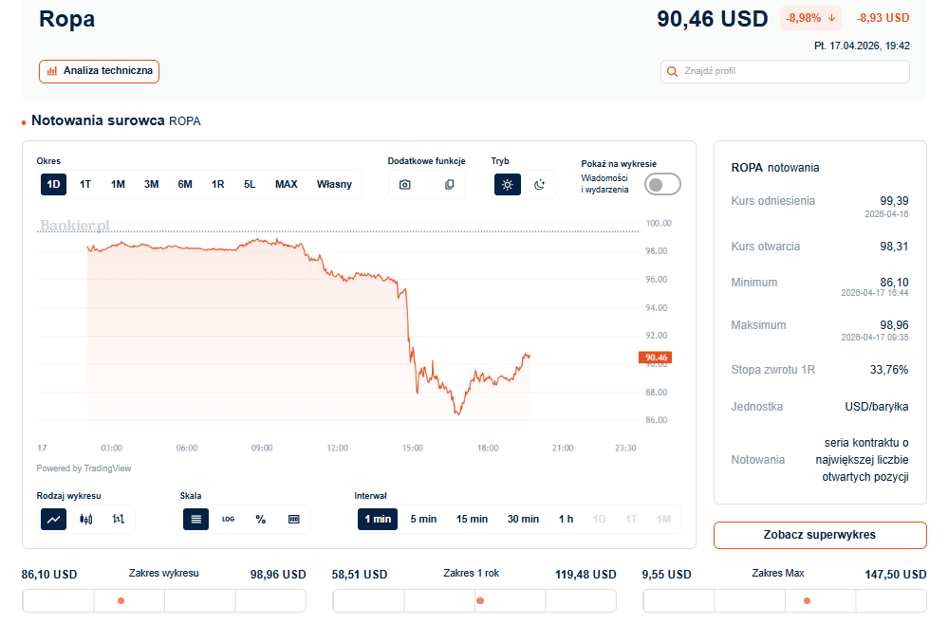
Crude oil fell by more than 10 percent on Friday afternoon. to the lowest level in almost five weeks, after Iranian Foreign Minister Abbas Aragchi announced that all commercial ships can pass through the Strait of Hormuz until the end of the truce with the US and Israel.
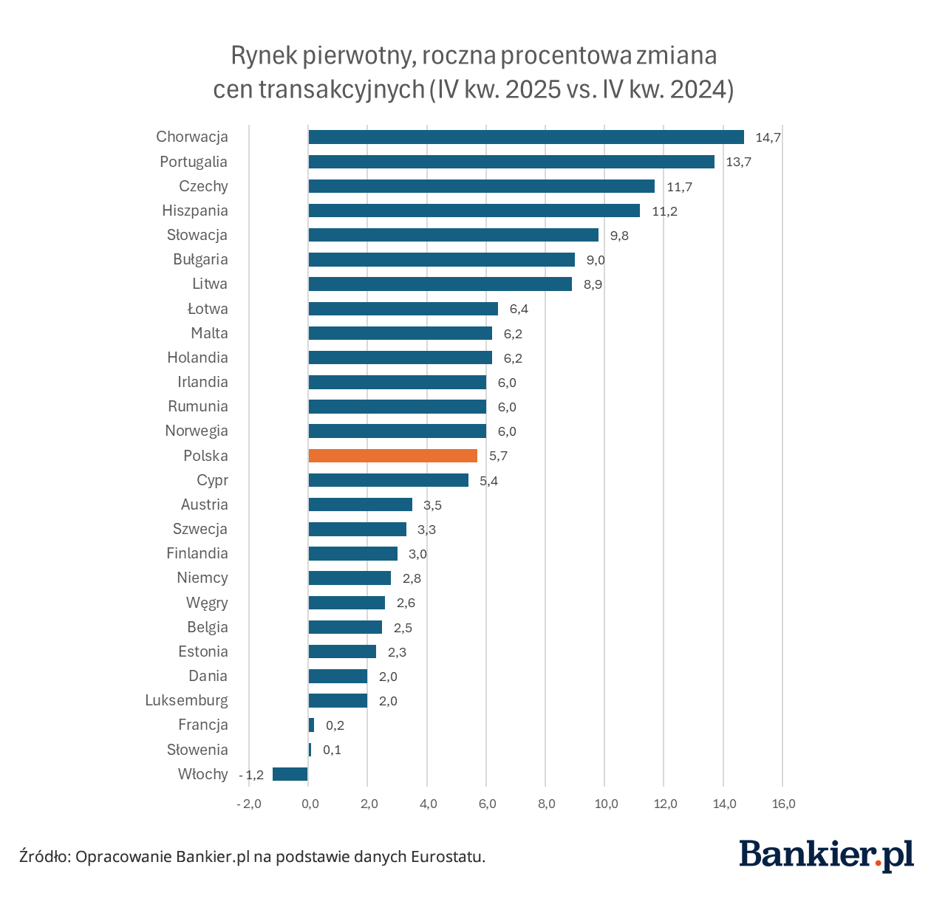
In 2023, the annual growth rate of real estate prices in Poland was among the highest in Europe. In the latest Eurostat data summarizing 2025, our country is far from the leaders. Especially when it comes to the secondary market.
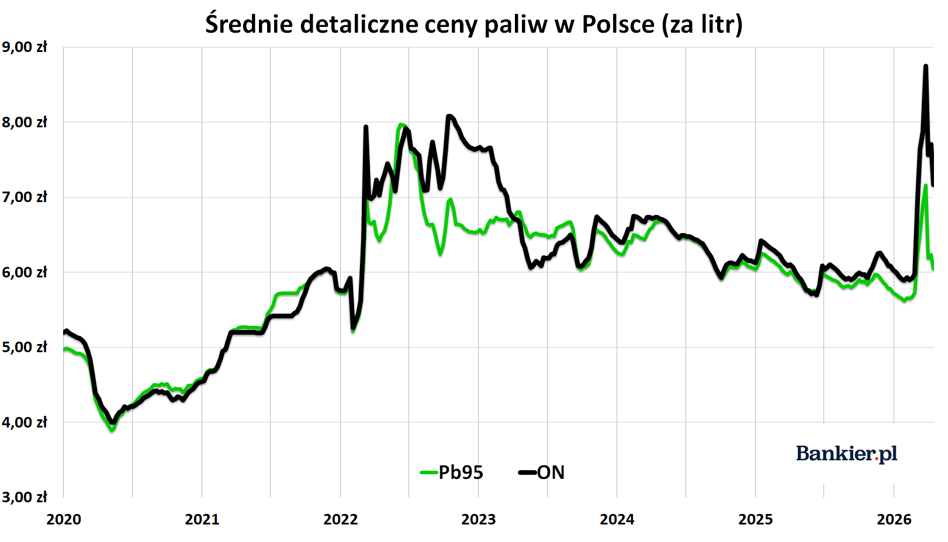
In mid-April, drivers could feel significant relief at the pumps. Average prices of diesel oil and gasoline have dropped significantly. People who were refueling with autogas were still unhappy, as prices remained close to record high levels. Earlier, March inflation rose sharply, and the Central Statistical Office confirmed the preliminary estimate of 3.0% on an annual basis. We “owe” this inflation jump to the rulers of the USA and Israel, who caused a new war in the Middle East.
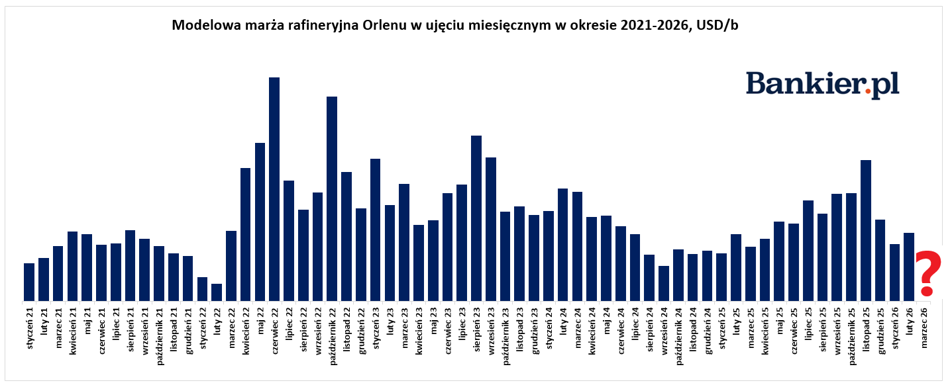
The Orlen Group's investor relations website lacks the usual monthly data on model refining and petrochemical margins or differentials for March, which should have been available a long time ago. Orlen's press office initially did not respond to questions from the Bankier.pl editorial team about the reasons for the delays, but in social media it instructed the company's former president that it was due to market turbulence. After publication, the Bankier.pl editorial team received a broader explanation.
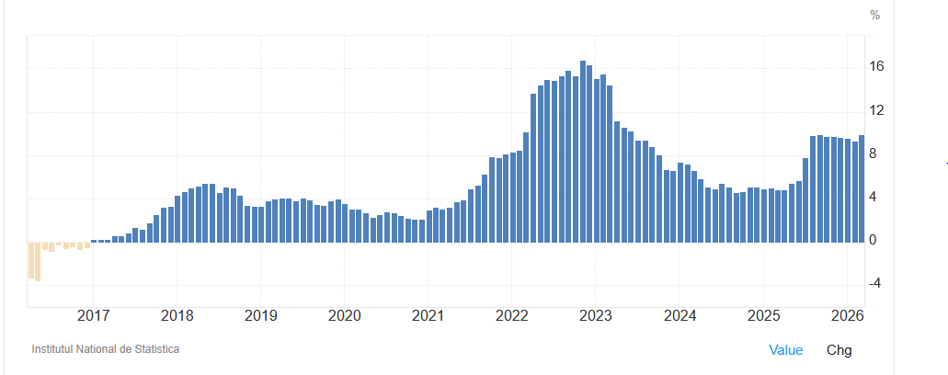
Consumer inflation in Romania accelerated to almost 10% in March, reaching the highest level in almost three years. Galloping inflation is not the only problem of the Carpathian country, which in previous years was the leader in economic growth in our region.
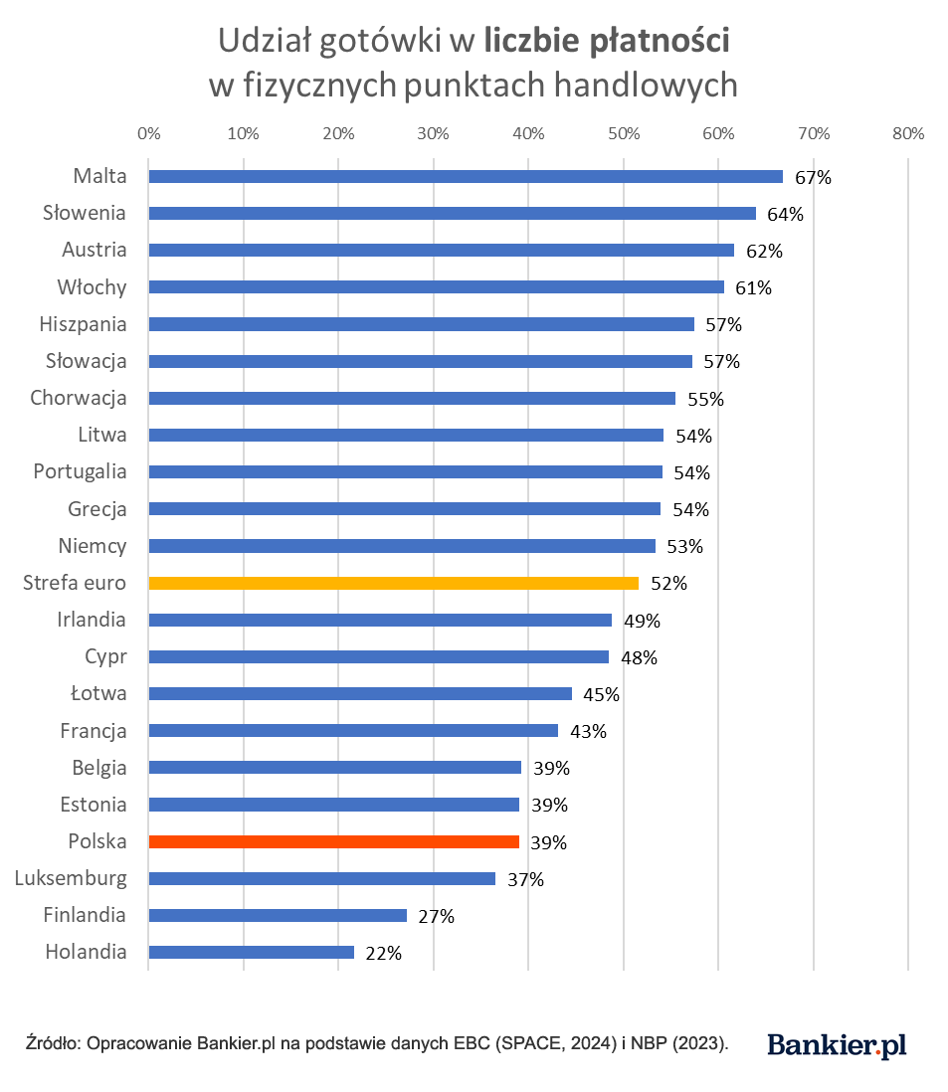
When we think about the most cashless countries, Scandinavians usually come to mind. It is more difficult to indicate where banknotes and coins have the greatest number of users. Poland definitely no longer belongs to this group.
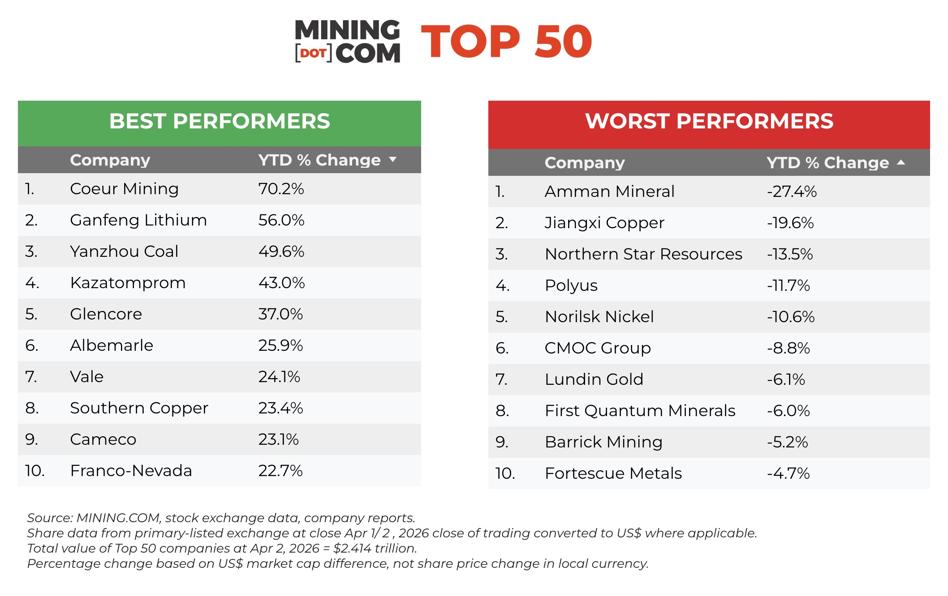
The beginning of 2026 brought historic results on the global commodity market, pushing the total capitalization of the largest players to a record level of $2.41 trillion. Despite geopolitical turmoil, most shares of mining companies are recording solid rates of return this year and are climbing upwards. However, this optimistic picture lacks a Polish accent – the national champion, KGHM, dropped out of the elite ranking.
The March core inflation reading turned out to be slightly higher than economists' expectations. However, this is still a relatively modest increase and the result is still close to the 2.5% NBP target. For now, there is no visible spread of inflation beyond the fuel sector.

March brought a significant increase in consumer inflation in the European Union countries. The infamous title of Europe's inflation leader still remains with Romania, where the price growth rate approached 10%.
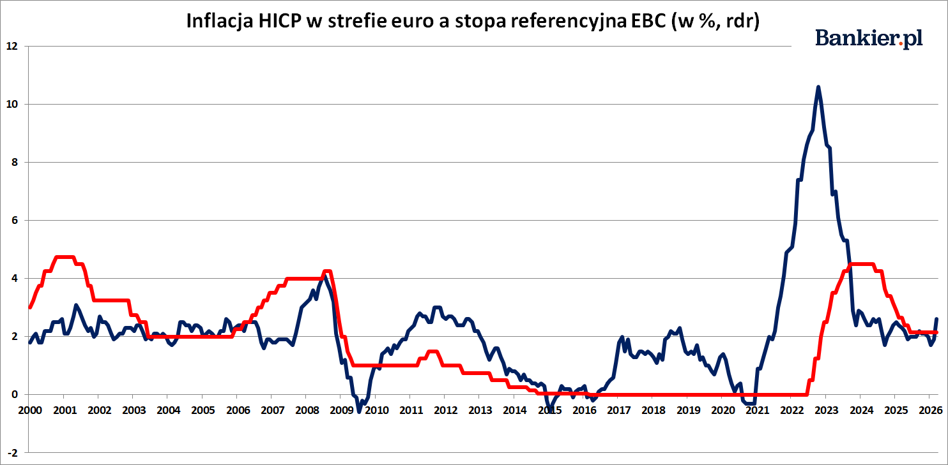
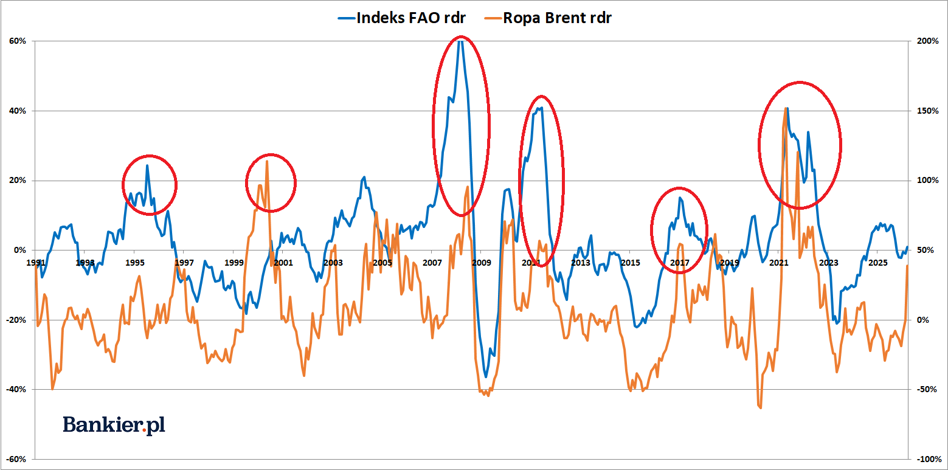
An oil shock is usually followed by a spike in food prices. It would be naive to expect it to be different this time. Globally, we saw the first upward movement already in February and March. Rising food prices may add even a few points to CPI inflation.
In March, in Poland's largest cities, there was a change in the expectations of apartment renters, typical of this month – according to data from Otodom Analytics. In Warsaw, average asking prices have been falling continuously for over half a year, and in several of the largest markets, average rents are lower than a year ago.
prepared by COGS