An analysis of 52 studies shows why children of the 60s and 70s became resilient and where current generations have problems

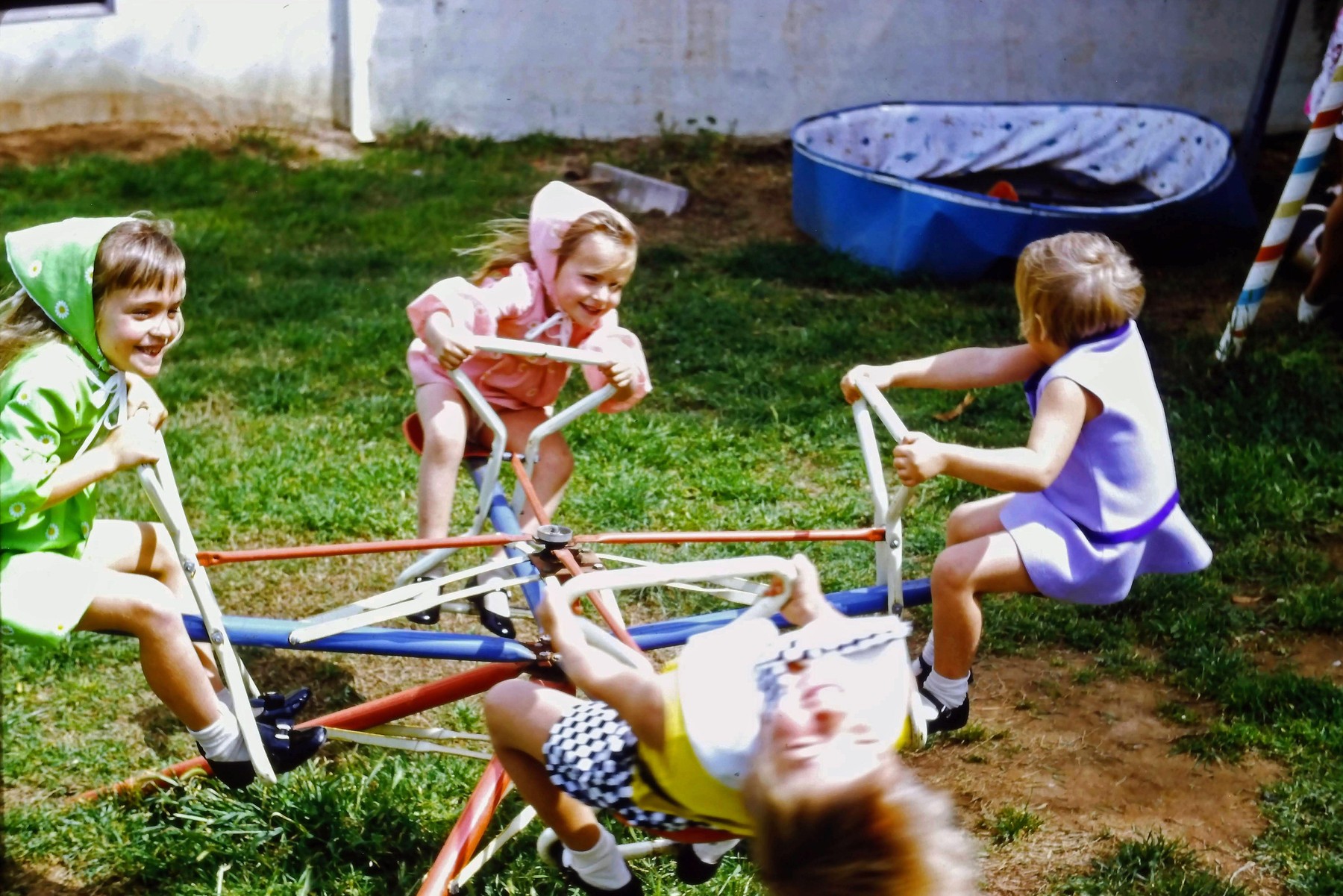
When parents are overprotective, their children tend to show slightly higher levels of anxiety and depression as they grow up, according to an analysis cited by Eco News. Studies do not demonstrate a direct causal relationship, but suggest that constant parental intervention may have a hidden cost.
The generations of children in the 60s and 70s became stronger emotionally not because of better parenting, but because they were neglected enough in their daily lives to learn to solve their own problems and develop a resilience that modern comforts make harder to build. That's one conclusion of an analysis of 52 studies designed to identify patterns that individual experiments may miss.
Researchers Qi Zhang of the University of Wisconsin-Madison and Wongeun Ji of Handong Global University found consistent, though small, links between overprotective parents with depression, anxiety or other internalizing symptoms — such as fears, persistent worry or social withdrawal.
According to the quoted source, most of the participants in the 52 studies analyzed were around 20 years old. Thus, the results primarily reflect the mental health of adolescents and young adults. The observed link was broadly similar across cultures and income levels, suggesting that the phenomenon is not limited to a particular type of family. In short, many children do well, but the general trend becomes visible when the data is analyzed as a whole.
What “overparenting” looks like in everyday life
Parental overprotection is not the same as involvement. It's closer to the idea of ”permanently standing on the child's head,” meaning when adults intervene quickly and frequently, even when the stakes are low. That may mean mediating every conflict with friends, rewriting an email for school, or negotiating with a coach after the child is benched.
A 2022 systematic review led by Stine L. Vigdal found that most studies of this parenting style show an association with anxiety or depression. But the authors cautioned that the evidence is not strong enough to clearly establish what causes what.
In other words, an anxious child can lead to greater parental control, and this control can in turn fuel anxiety, so the relationship can work both ways.
Why self-regulation is a core skill
When people talk about “resilience,” they often mean self-regulation. It is the ability to manage your emotions and behavior without needing someone else to do it for you. It can be seen in ordinary moments, such as calming down after a conflict in a WhatsApp group or staying calm when the order is late and you are already stressed, the quoted source writes.
Marc Brackett of the Yale Center for Emotional Intelligence describes emotion regulation as “a set of intentional, learned skills to manage emotions effectively.” Practice is essential and often times it doesn't look neat at all. Children learn by trying, working through the discomfort and discovering what works, with adults close by but not always intervening.
One reason the 60s and 70s are frequently brought up in this debate is the role of free play. In 2022, Yeshe Colliver and colleagues used data from the Longitudinal Study of Australian Children and followed 2,213 children over time.
The researchers found that a higher level of free, unstructured play during the preschool years was associated with better self-regulation about two years later, even after factors such as previous level of self-control and other relevant variables were taken into account.
The researchers also looked at the concept of “risky play”, meaning those activities that involve manageable risk, such as climbing, more energetic games or exploring without adults always around.
A 2015 systematic review led by Mariana Brussoni of the University of British Columbia found overall positive links between risky outdoor play and children's health and social development, while noting that more robust studies are needed for definitive conclusions.
Why children travel less alone today
This change is not only related to parents' attitudes, but also to the environment in which children travel, especially traffic.
A wide-ranging international report by the Policy Studies Institute for the Nuffield Foundation analyzed responses from 18,303 children aged 7 to 15 in 16 countries and found that reduced independent mobility is common, with tighter restrictions for the youngest. Parents most often cited traffic as the main reason why they let their children go out alone less often.
Schools, in turn, can contribute to this controlling tendency. In a 2024 study led by Alethea Jerebine, researchers looked at school policies on active play and found that they are heavily geared toward risk management, while far fewer rules actually aim to encourage play.
If the rules are built to prevent every minor incident, children end up having fewer opportunities to really learn how to assess and manage risks.
Resilience is built in small moments
None of this supports the idea of ignoring children. Rather, the research points to a more nuanced idea: providing age-appropriate opportunities for children to make decisions, manage frustration, and solve small problems on their own.
Public health researchers who have looked at independent mobility also point out that the evidence is mixed and difficult to compare across studies, which calls for caution about general conclusions about “a more resilient generation”. However, the direction of the results is hard to ignore. Resilience is built in small moments, not in one pep talk.