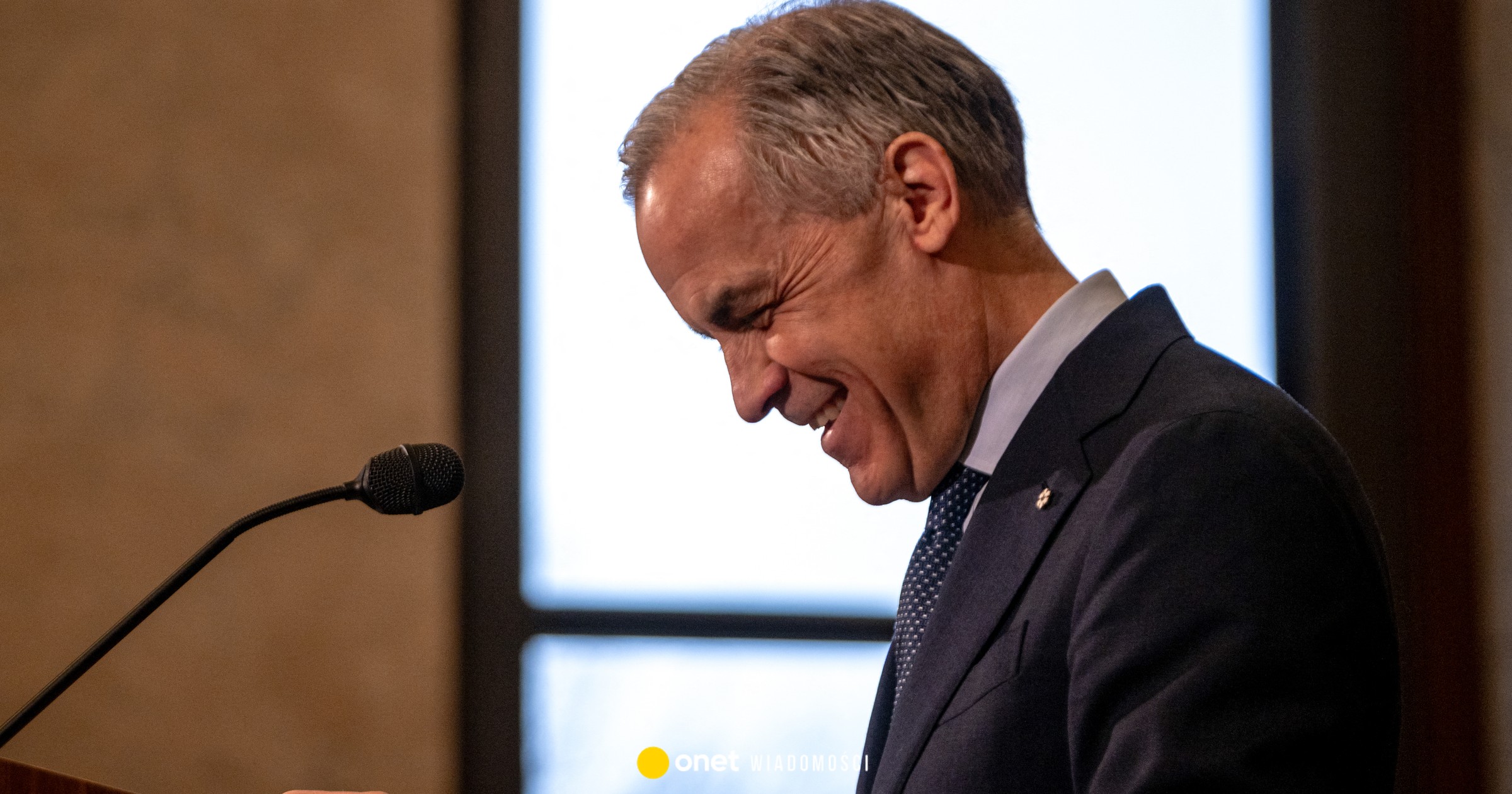
Carney's ruling Liberals they secured a majority in an unprecedented way — not by holding a general election, but by combining the gradual exodus of Conservative MPs with landslide victories in three by-elections on Monday night.
— Carney's Liberals did not win a majority in the government in the general election or by-election, Conservative leader Pierre Poilievre said on Monday. “Instead, they won thanks to backroom deals with politicians who betrayed the people who voted for them,” he added.
In Canada, the ruling party can gain or lose a majority without a general election if the distribution of seats in parliament changes – which Carney did.
— No rules were broken, emphasizes Alex Marland, a political scientist and co-author of the book “No I in Team: Party Loyalty in Canadian Politics”, in which he analyzes cases of switching to other parties and party discipline.
Switching to another party in parliament is not unusual — more than 300 politicians have done this in Canadian history, at both the federal and provincial levels.
“The ability to change parliamentary parties is simply a deeply ingrained feature of our system,” Marland notes. “It's just allowed and, honestly, conservatives have accepted such moves by liberals in the past,” he reminds.
The article continues below the video
Aaron Gunn, a Conservative MP from British Columbia, accused Carney of X about striving for “unlimited power” through “deception and deceit”using MPs who had switched to another party “to invalidate the results of democratic elections.” As a result, “the vote will be perceived as rigged,” he argued. He also accused the media of being “unfair to Canadians.”
In turn, according to Conservative MP Andrew Lawton, Carney's government is “artificial”.
Conservative MP Michael Guglielmin condemned what he called a gross undermining of democracy in a post on X. “Canadians will not forget this betrayal of public trust,” he wrote.
Poilievre did not condemn any of these comments. His office declined to say whether the Conservative leader considered the majority to be legal and referred POLITICO to Poilievre's comments on social media.
“We live in a parliamentary democracy”
When Carney was elected last April, he fell just shy of a majority government. However, after moving the Liberal Party back to the center, focusing on crime, affordability and the need to make Canada's economy independent of the United States, he managed to win over opposition MPs from conservative and progressive parties — five in the last five months.
Victory in Monday's by-election gave Carney's government the upper hand. “We live in a parliamentary democracy,” Carney told reporters on Tuesday.
Conservatives recorded the worst results in the by-elections for over 10 years.
Conservative Party leader Pierre Poilievre in Toronto, April 16, 2026.Mert Alper Dervis / Anadolu via AFP / AFP
Carney has promised to work with opposition parties in the House of Commons, including the Conservative Party, although he no longer needs their support to pass laws or government spending.
Marland compared the rhetoric of conservatives to Republicans in the United States, who criticize the democratic system. “When people question institutions, it reduces trust in democracy itself,” he notes. “And of course we are at a point in history where we don't want that,” he adds.
Industry Minister Melanie Joly responded to Poilievre's comments, calling him out on CBC News on Monday. to “look in the mirror” and “asked why he had failed to maintain unity in his entire parliamentary club.” Poilievre stated that he would remain leader until the next federal elections, scheduled for 2029.
Carney has said he has no plans to call an early election in response to accusations from those challenging his mandate. “I think Canadians clearly want this government to continue in power,” Carney added.
This is not the first time that the Conservative Party has accused institutions, including the media, of dishonesty when faced with political adversity.
During last spring's national election, the party's MPs cast doubt on the credibility of polls that suggested Carney, then an inexperienced politician, would become the next prime minister.
On election night at Conservative Party headquarters, supporters accused the Liberals of “rigging” the election or falsely claiming it was “stolen,” echoing rhetoric heard during the election campaign. Carney denied the allegations at the time.
– This is Canada. I know there are parties that simply import all their slogans and programs from America, but let's not import this crap to Canada. We are in the middle of a fair, open and free election in Canada, he said at the beginning of the campaign.
After accepting the April 28 election results in a speech in which he conceded defeat, Poilievre and his parliamentary caucus now cast doubt on Carney's majority mandate.
“It's hard to say how long conservatives will keep this narrative going because every time you bring up the issue of switching factions, being a conservative basically reminds everyone that you're a bunch of losers,” Marland says.
I’m Ashley Davis as an editor, I’m committed to upholding the highest standards of integrity and accuracy in every piece we publish. My work is driven by curiosity, a passion for truth, and a belief that journalism plays a crucial role in shaping public discourse. I strive to tell stories that not only inform but also inspire action and conversation.