Tomas Lindner: The events of recent months have been turbulent and full of breakthroughs. What do you think is their essence?
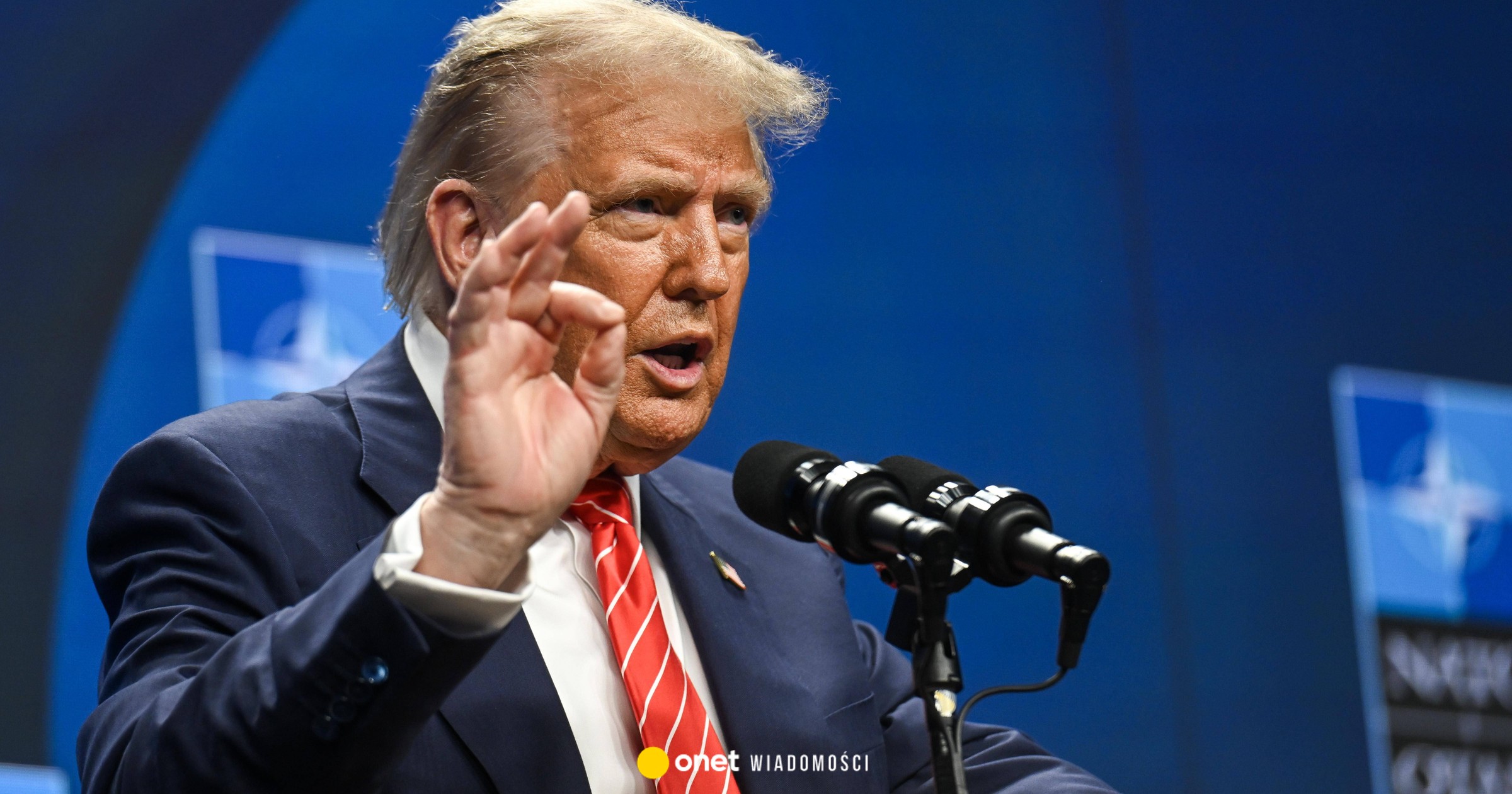
Rose Gottemoeller: Donald Trump is causing unprecedented chaos, not only in Europe, not only within NATO. World leaders are essentially trying to navigate the reality set by his social media posts. I believe he posts them with the intention of gaining attention and making headlines, which he is very effective at. Then he observes the reactions of financial markets, changes his position, and shifts his interest to other matters.
He's not exaggerating. A huge geopolitical and geostrategic change is taking place – the United States is no longer the leader of the so-called post-war international order. I don't believe this process can be reversed. What remains, however, is the desire of countries to regain predictability – and this is a condition for the functioning of financial markets and trade links, which are currently disrupted by the war in the Middle East. Medium-sized countries like Canada will play an important role in restoring this predictability.
Mark Carney, Prime Minister of Canada, at the World Economic Forum in Davos, January 20, 2026.GIAN EHRENZELLER / PAP
Is it realistic for this to work out with Donald Trump in the White House?
Honestly, I don't think this could happen under Trump. He strives to break down old institutions and systems – in this sense he is a true revolutionary. This is due to his belief that “he is the law” – not what is written in international law. I believe the president's actions are detrimental to America's future and its role in the world — and I deeply regret that. However, once Trump leaves office, I believe there will be an attempt to partially remedy the situation. A return to stability between countries, because constant conflicts consume a lot of resources and energy and do not bring the same results as a predictable, calm policy.
And will it succeed if one of the powers is Russia, which does not care about predictability, but on the contrary – benefits from uncertainty?
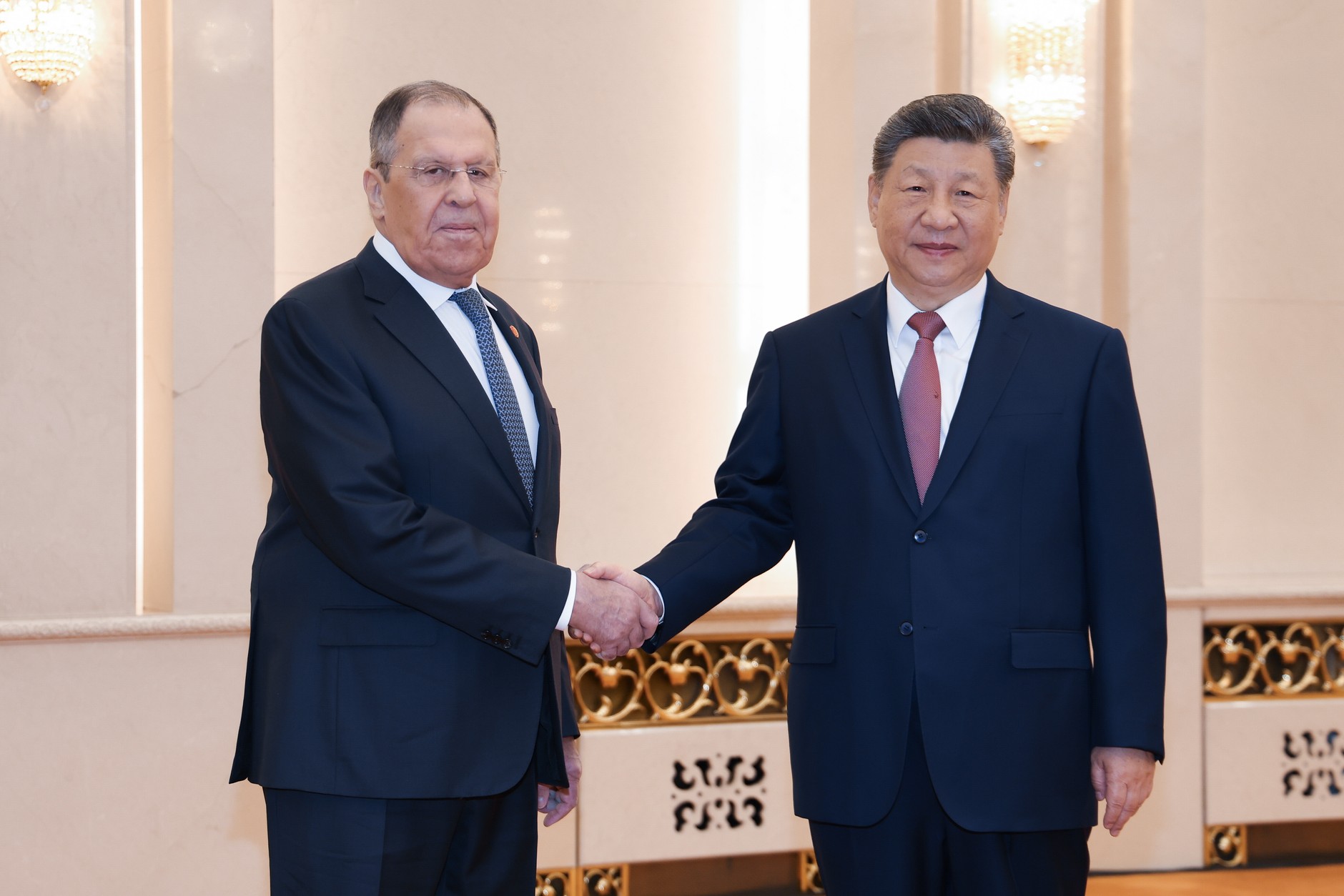
Putin at the Valdai Club conference [rosyjskiego think tanku — przyp. red.] about 10 years ago he said he wanted “new rules” and if there were no rules, “there would be no rules.” So he insists on a new system that benefits Russia at the expense of many other countries. In this context, the role of China, on which Russia is dependent in many aspects, is important. I think China is still a power that defends the status quo. They want clear rules and predictability – this is where they diverge from the Kremlin. They would like to see more trade transactions in their own currency, but a dollar-based global financial system suits them; they have held a significant portion of US debt since the 1990s.
They also do not want to replace the US in the world's oceans, i.e. build a fleet that will ensure the safety of sea routes around the world. They do not intend to project their military power on a global scale and as actively as the United States has done since the end of World War II. Therefore, they need a certain level of cooperation and institutions that maintain stability, without which their globalized economy could not function.
Sergei Lavrov, Russian Minister of Foreign Affairs, and Xi Jinping, President of China. Beijing, April 15, 2026PAP/EPA/RUSSIAN FOREIGN MINISTRY PRESS SERVICE/HANDOUT
How do you assess the risk that the current development of events will lead to a world war between the superpowers?
Such a risk exists, but nuclear deterrence has a psychological effect at the highest level – that is why the powers in mutual conflicts seek solutions other than war. Even Russia is already exhausted by its aggression against Ukraine, and Vladimir Putin himself does not believe that he could throw the Russian army into a world war. So Donald Trump ultimately wouldn't be that reckless – the risks are just too great. The ultimate goal of these leaders is the survival of themselves and their power, and a major war would threaten this.
Carney's speech was vague in some respects. What will the new system look like in practice? What should we prepare for?
I believe that after Trump, the United States will value NATO again, but trust in its role will remain shaken for a long time. The role of “first among equals” in the Alliance, which America played for 80 years of post-war history, in my opinion, cannot be restored.
NATO will have to develop a different, collective way of governance – for example around the USA, Germany, France, Great Britain, maybe Canada and Poland, or more broadly, Central and Eastern European countries. I don't know how this will work – collective leadership can be more difficult than when someone is “first among equals.” After the experiences of the last year, I cannot imagine returning to a clearly American leadership.
“The alliance continues to enjoy strong support from the American public.”
Does the West as a political or geopolitical community still exist? Considering that the administration in Washington has not consulted the Europeans on the war with Iran, it does not want them at the table for talks on the future of Ukraine, and in its security strategy it clearly distances itself from current Europe.
I definitely believe that the West still exists. The president, vice president and other members of the US administration make no secret of their hostility towards NATO and European countries, but the Alliance still enjoys strong support from the American public and the leadership of both the Democratic and Republican Parties in Congress. This important fact has been forgotten lately. After all, Congress has control over the defense budget and still supports the presence of American troops within NATO in Europe. He also adopted a law under which if the president wanted to leave NATO, he must submit it to Congress.
This time may even strengthen NATO. Already John F. Kennedy in the early 1960s was frustrated that the allies were not allocating enough resources for their own defense. After the end of the Cold War, the situation worsened – many NATO countries used the so-called peace dividend and, for good reasons, focused on domestic affairs. Now, however, they are rebuilding defense structures, investing in their own army and in cooperation in planning operations. All this can make the Alliance stronger and more effective.
The article continues below the video
Will NATO survive if the MAGA movement or politicians like Trump and Vance dominate the Republican Party?
I can't predict what direction the Republican Party will go in the next election. I have the impression that Trump is already under pressure, his support in polls is falling, and younger voters are turning away from him. It's possible that the MAGA movement has already reached its peak and is starting to wane. We'll see. However, there will remain a wing in the Republican Party that will look at NATO critically – and if European countries start saving on defense again, it will trigger a strong backlash.
Many European leaders, especially from post-communist countries, have not previously supported French attempts to build a stronger and more independent foreign and security policy of the European Union. They were convinced that this was contrary to a strong transatlantic alliance. In your opinion, is Europe's strategic autonomy compatible with a strong NATO? Sometimes the interests of Europe and the US diverge – in the Middle East, in Africa, in relations with China.
This is nothing new and should not hinder a strong transatlantic alliance. When I worked at NATO in 2016–2019, there were large differences of interests between the US and its allies. For example, France, mentioned by you, was very active in West Africa at that time and tried to fulfill its – one could say – former colonial role there. She wanted no one else to interfere too much.
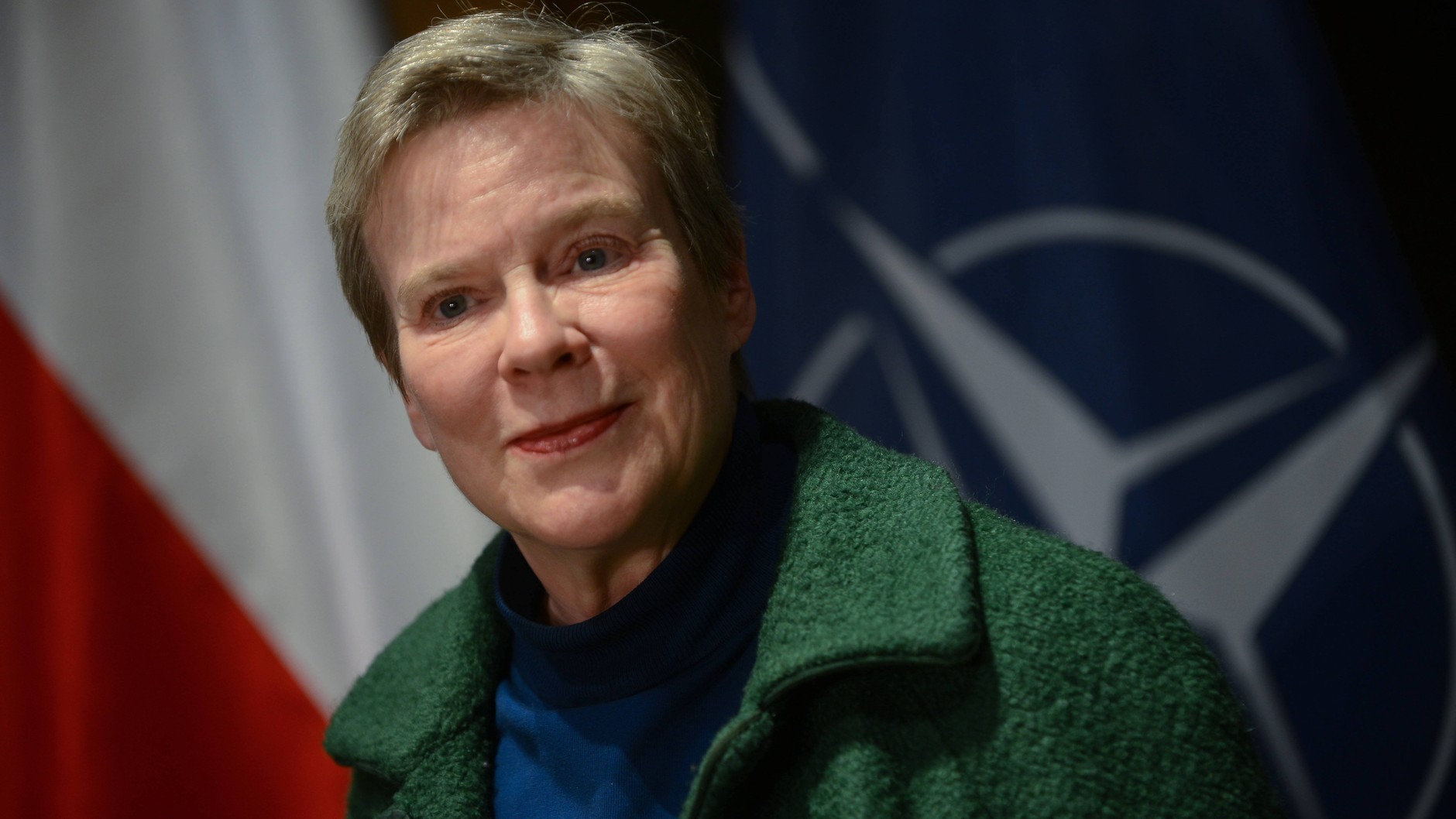
Rose Gottemoeller, NATO Deputy Secretary General, during a press conference in Warsaw, March 16, 2018.PAP/Jakub Kamiński / PAP
As for China, the European Union then sought to conclude a trade agreement and strengthen economic relations, while the Trump administration pushed the opposite direction – for example, it wanted to exclude Huawei from building 5G infrastructure in Europe. So differences of interest are nothing new – they can be worked with, and that is why I see no contradiction between a more independent Europe and a strong NATO.
The Trump administration's security strategy includes supporting movements that want to shake up European politics and are ideologically close to the MAGA movement. Do you expect greater US involvement in the European elections? How should Europe respond to this?
I expect this, but much depends on the effectiveness of these actions. European polls show that nationalist, populist-minded voters may become irritated when the American power interferes so much in their politics.
Trump wanted and wants Europe to help him in the war with Iran, which Europeans do not agree with. Should we have given in to him?since we need the American nuclear umbrella and US aid in Ukraine?
When it comes to Iran, European leaders have legitimate concerns about Trump's motives – whether he intends to force European naval involvement in the Strait of Hormuz and then leave Europe alone. Declare victory, withdraw the American army and set off on another adventure, e.g. “liberate” Cuba. Europe should not allow itself to be drawn into cleaning up the mess left by Donald Trump and Binyamin Netanyahu. It's not in her best interest. That is why now he is doing the right thing by not getting involved militarily and focusing on diplomacy. That is, talks with the Persian Gulf countries, which also need to export their products, and with countries such as Türkiye – a NATO ally that has open channels to Tehran.
This requires great diplomatic skill and, under the leadership of Ursula von der Leyen, Europe is trying to achieve this. Military power might make sense in the future if Europe, together with other partners, became the guardian of shipping security in the Persian Gulf, for example – just as an international naval force led by the European Union helped secure shipping off the coast of Somalia after pirate attacks more than a decade ago. So maybe we will return to this role in the future. For now, however, I think it makes sense that European leaders hold strong cards and do not engage in this war.
Speaking of Iran: the goal of this war was to destroy its nuclear program. You have been involved in nuclear disarmament for years – is the world safer after the American-Israeli attack?
We managed to seriously weaken Iran's nuclear and missile programs. And this was always Netanyahu's goal: It bothered him that Obama's nuclear deal with Iran only covered the nuclear program, not Iran's missiles. Limiting Iran's weapons capabilities is a good thing, but of course there is still knowledge and competence in the country – attacks from outside will not eliminate all experts in missile and nuclear technologies.
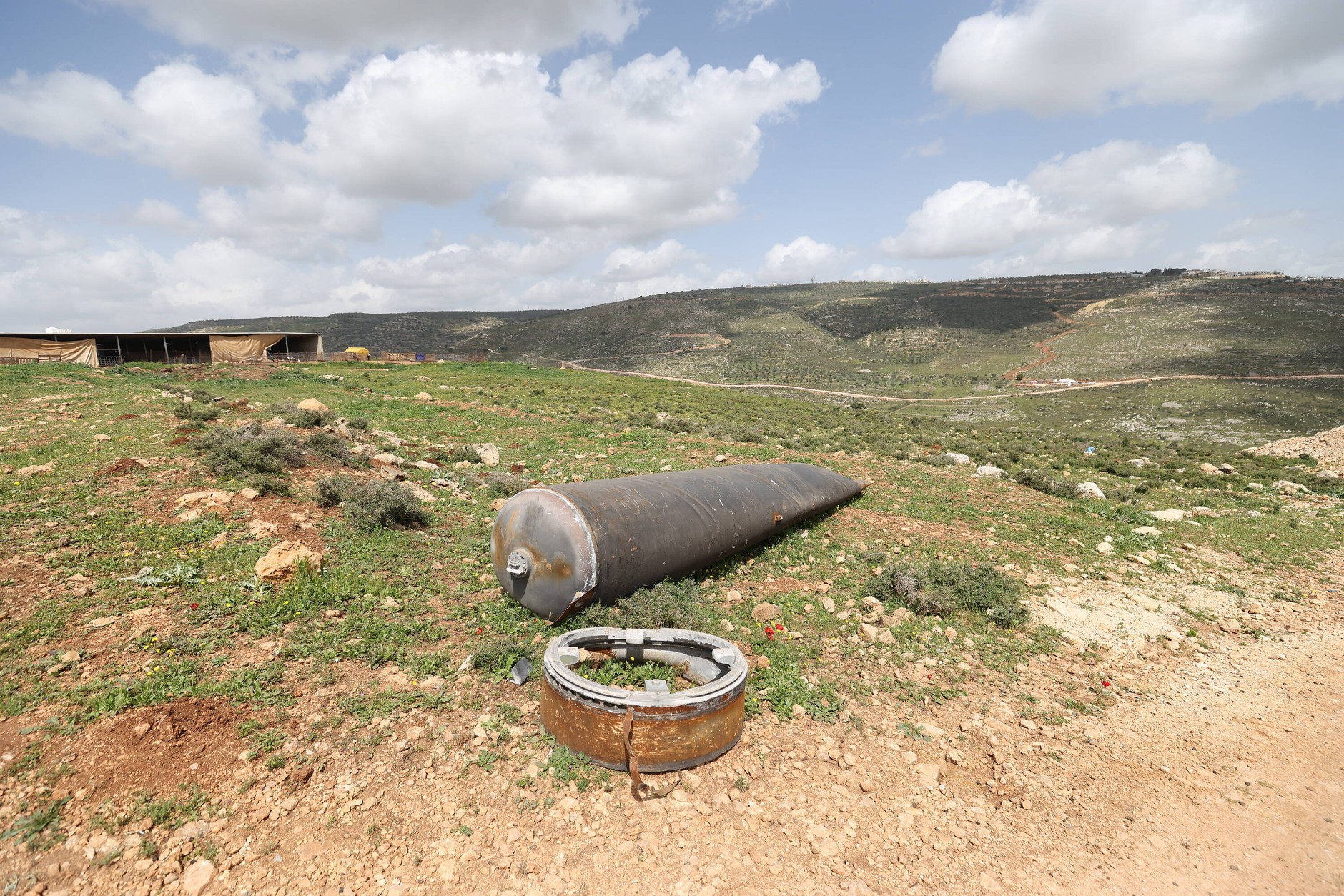
A fragment of an Iranian ballistic missile that fell two weeks earlier near a farm near Al-Luban in the West Bank, April 6, 2026.EPA/ALAA BADARNEH / PAP
Therefore, Iran has the potential to rebuild its weapons program, and if there is no regime change – which seems unlikely today – everything will depend on diplomacy: whether after the end of the war it will be possible to establish relations with Tehran that will discourage the regime from making similar attempts.
I’m Ashley Davis as an editor, I’m committed to upholding the highest standards of integrity and accuracy in every piece we publish. My work is driven by curiosity, a passion for truth, and a belief that journalism plays a crucial role in shaping public discourse. I strive to tell stories that not only inform but also inspire action and conversation.