“Everything you say can be used against you.” Major US law firms are warning their clients against using ChatGPT

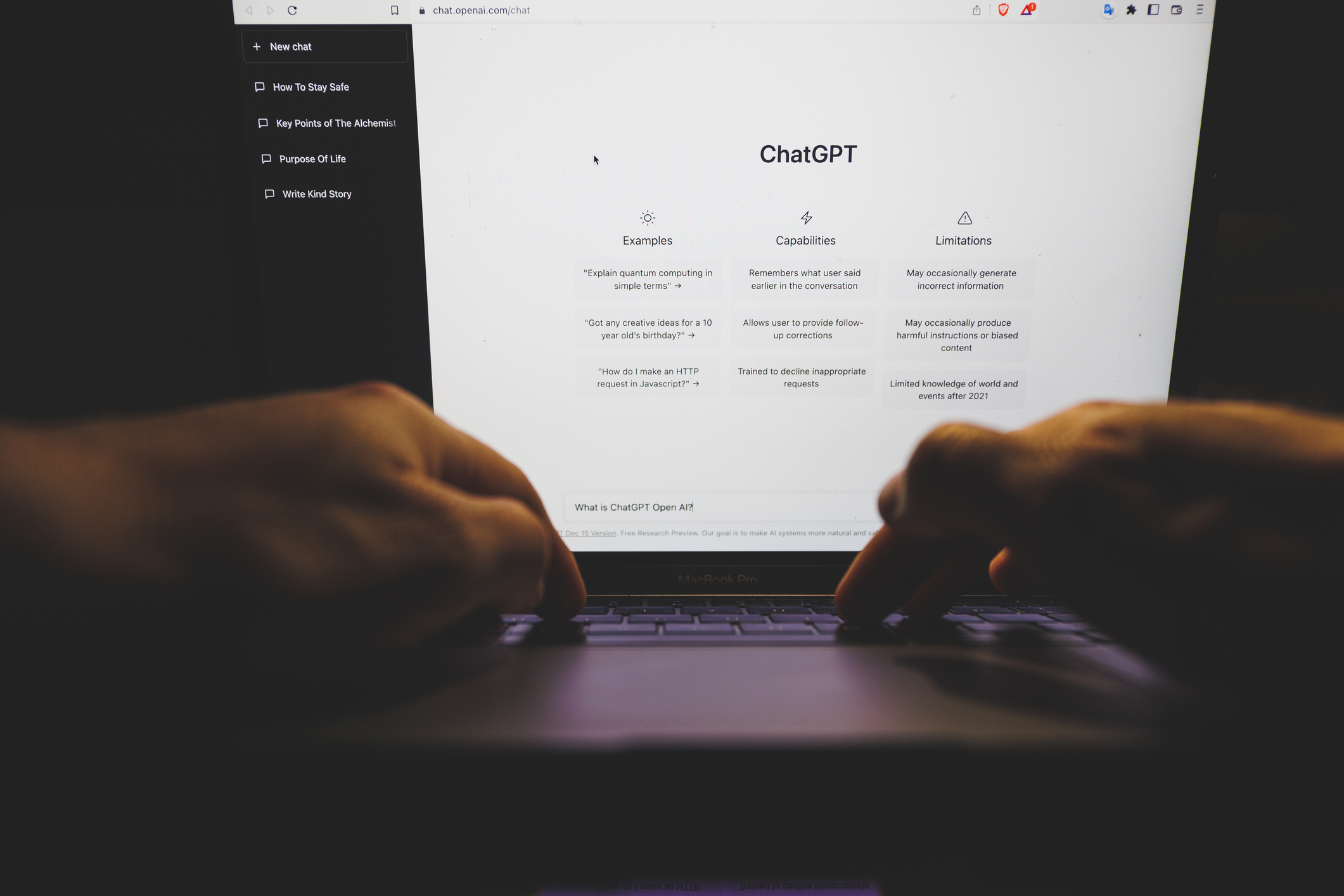
As more people turn to artificial intelligence (AI) tools for advice, some lawyers in the United States are telling their clients not to treat chatbots as trusted confidants when their freedom or legal liability is at stake, Reuters reports.
Those warnings became more pressing after a federal judge in New York ruled this year that the former executive of a bankrupt financial services company could not protect his conversations with artificial intelligence from prosecutors prosecuting him on securities fraud charges.
In the wake of that decision, lawyers advised clients that conversations with chatbots such as OpenAI's ChatGPT or Anthropic's Claude could be requested by prosecutors in criminal cases or adversaries in civil litigation.
“We tell our clients: you should proceed with caution here,” Alexandria Gutiérrez Swette, an attorney at the New York law firm Kobre & Kim, told Reuters.
People's conversations with their lawyers are almost always considered confidential under United States law. But AI chatbots are not lawyers, and lawyers instruct clients to take steps that could keep their communications with these tools private.
More and more law firms in the US are warning their clients about the use of chatbots
In emails to clients and guidance posted on their websites, more than 10 major U.S. law firms have offered advice to individuals and companies aimed at reducing the chances of AI conversations ending up in court.
Similar caveats appear in the professional employment contracts some firms enter into with their clients. For example, New York firm Sher Tremonte said in a recent contract that sharing advice or communications with a lawyer with a chatbot could void the legal protections afforded by the attorney-client relationship. This protects communications between lawyers and their clients in most countries, with some exceptions limited to extraordinary cases.
The case that set off the alarm bells involved Bradley Heppner, former chairman of bankrupt financial services firm GWG Holdings and founder of alternative asset firm Beneficent. Heppner was indicted by federal prosecutors last November on securities fraud and wire fraud charges. He pleaded not guilty.
Heppner used Anthropic's Claude chatbot to prepare reports about his case to give to lawyers, who later argued that exchanges between their client and the AI tool should be excluded from the record because they contained details from the lawyers who prepared his defense.
There is no confidential relationship between a chatbot and its user
Prosecutors argued they had the right to subpoena the materials created by Heppner with Claude's help because defense attorneys were not directly involved and because attorney-client privilege does not apply to chatbots.
Voluntary disclosure of information received from a lawyer to any third party may jeopardize the usual legal protections for such communications.
Jed Rakoff, the judge in the case, ruled in February that Heppner must turn over 31 documents generated by Anthropic's Claude chatbot.
There is no attorney-client relationship “nor could there be between an AI user and a platform like Claude,” Rakoff wrote in the reasoning behind the decision.
Reuters notes that US courts are already grappling with the increasing use of artificial intelligence by lawyers and self-represented people in lawsuits, which has, among other things, led to the filing of legal documents with no legal basis in the case law system.
In other words, chatbots simply “invented” non-existent cases to support their users' arguments.
Another judge reached the opposite conclusion in a labor dispute case
Rakoff's decision represented an important early test in the AI chatbot era of the fundamental legal protections that govern attorney-client communications and materials prepared for litigation.
But on the same day that Rakoff handed down his decision, another federal judge in the state of Michigan ruled that a woman representing herself in a lawsuit against her former employer did not have to turn over her conversations with ChatGPT about the claims at issue.
The Michigan judge considered the woman's conversations with the AI to be part of her own “work material” for the case, and not conversations with a person the employer might try to use in its defense.
ChatGPT and other generative artificial intelligence programs “are tools, not persons,” this judge wrote in his reasoning.
Both OpenAI and Anthropic's terms of privacy and use of their tools state that these companies may share user data with third parties. Both also state that users should consult a qualified professional before relying on their chabtots for legal advice.
Rakoff noted at a February hearing in the Heppner case that Claude “expressly states that users have no expectation of privacy regarding data input.”