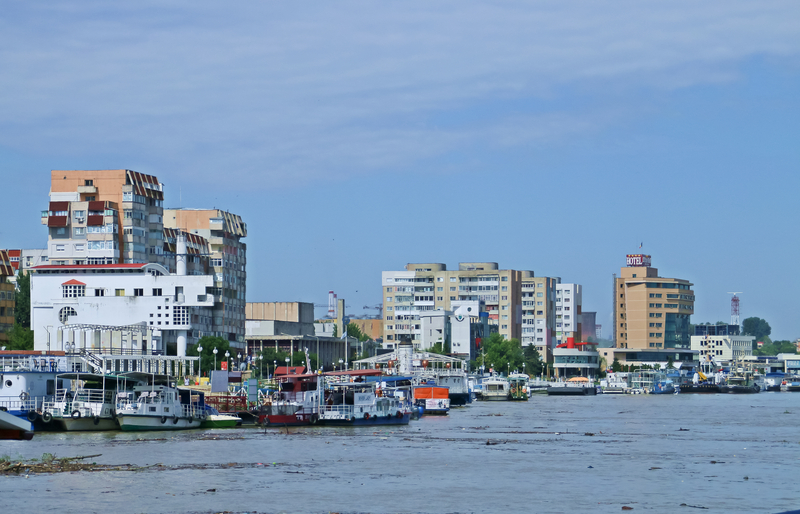
MAP What is the Belt of Fortresses of Ukraine. The 50-kilometer strip on which Kiev's defense strategy depends

Russia has repeatedly demanded in the peace negotiations that Ukraine withdraw from the 19% of the territory of the Donetsk region that it still controls. But Kiev refused because on that territory is the Belt of Fortresses, crucial for the defense of Ukrainian territory, writes the Institute for the Study of War (ISW).
The Belt of Fortresses is a strip about 50 kilometers long that includes three cities under the control of Kiev: Sloviansk, Kramatorsk and Konstiantinivka. The maintenance of a front line that can be defended by an army inferior in numbers and material depends on the control of this strip. Over the past 11 years, Kiev has allocated time and money to strengthen the defenses around these cities.
Area suitable for urban guerrillas
Ukraine wants to maintain the Belt of Fortresses, regardless of the form in which a peace agreement will be reached, as it is a crucial area for the defense of the entire country from four perspectives.
First, it is a heavily urbanized area, and Ukraine has proven that it can lock down the Russian military for long periods in cities, with battles of attrition that inflict heavy losses on the attacker. It took Russia nine months to occupy Bahmut (71,000 inhabitants before the start of the war) and 22 months for Pokrovsk (60,000 inhabitants).
From this perspective, the Belt can prove to be an inferno for the Russians, having large, easy-to-defend cities: Kramatorsk (147,000 inhabitants) or Sloviansk (105,000 inhabitants). Instead, to the west of them is a predominantly rural area, the largest city having only 53,000 inhabitants, Lozova, isolated in a plain, without the possibility of creating a continuous line of defense.
Second, the Belt of Fortresses is defended by the rivers Siverski Donets and Oskil, which forces the Russians to attack the fortresses head-on, instead of avoiding them by flanking maneuvers. And from this perspective, behind the belt there are few larger watercourses on the banks of which you can set up effective defense lines.
What is behind the Belt of Fortresses
Also, the cities on the belt are on somewhat higher ground, easier for the Ukrainians to defend and more costly for Russian attacks. In addition, high ground is also important from a communications perspective as it provides greater signal projection, a notable advantage in drone use.
By contrast, if the Russian army passes these positions it will enter the vast steppe, which favors the rapid movement of numerically superior forces.
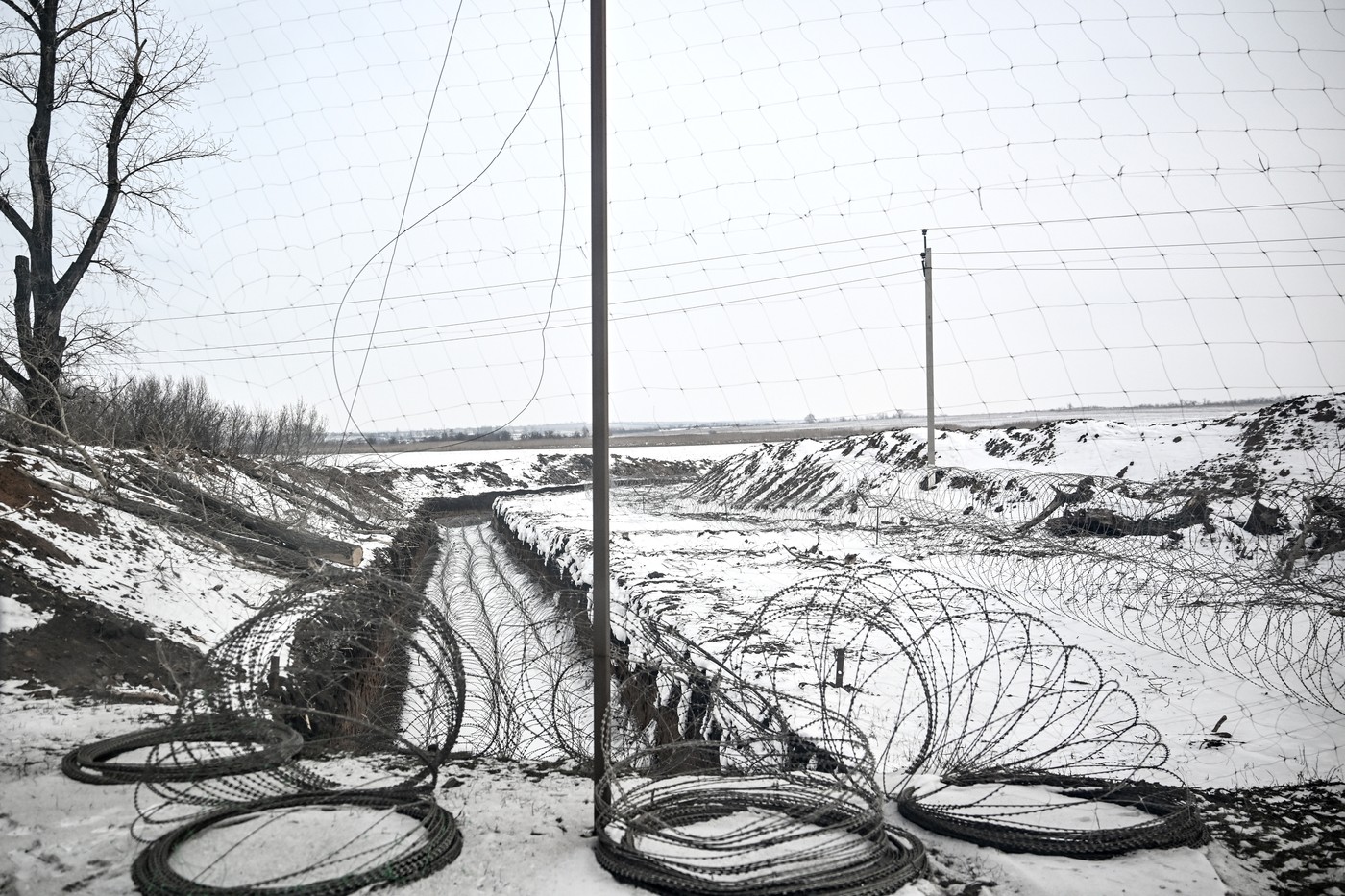
Finally, the fourth reason why Kiev clings to the defense of the positions it still has in the Donetsk region is that the terrain has been fortified over the past 11 years with anti-tank ditches, “dragon's teeth” lines, barbed wire and minefields, designed to optimize the advantages of the geographical position.
If it loses them, Ukraine will have to dig new fortifications in southern Kharkiv Oblast and eastern Dnipropetrovsk Oblast, without the benefits of the Belt of Fortresses.
Russia wants conquests without a fight
All this explains the insistence with which Russia demanded that Ukraine leave the zone without a fight. Without the advantage of this line, the entire front could collapse in the event of a major offensive by Moscow, or leave Ukraine vulnerable should Russia start a new war after a temporary peace.
“Preliminarily surrendering pieces of a vital, fortified, strategic region would be a vital mistake and would undermine the Trump administration's goal of achieving a robust and lasting peace. It is not inevitable that Russian forces will occupy the Belt of Fortresses, and it is unclear whether Russia's economic and industrial base can sustain the additional years of war needed to occupy it,” the ISW experts concluded.