Alert regarding the blockade of the Strait of Hormuz. We may feel the effects for many years

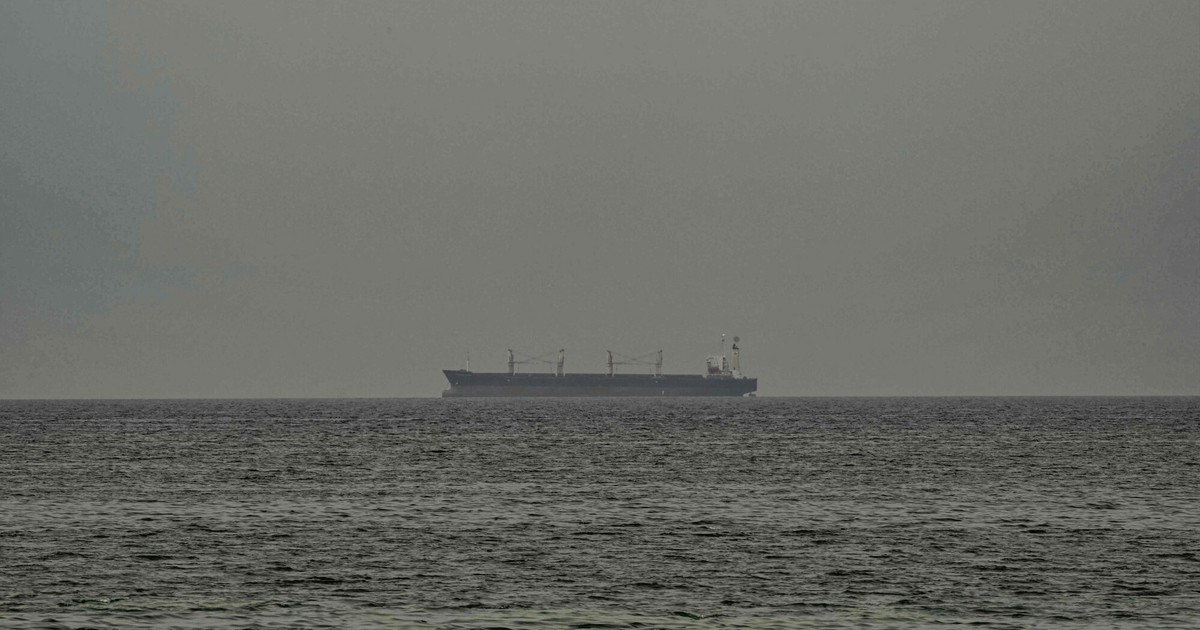
“We will see a real supply crunch in the coming days,” FAO Agri-Food Director David Laborde said in a podcast published on Monday. He reported that most of the cargo that left the Persian Gulf before the war had already reached its destination.
FAO Chief Economist Maximo Torero noted in the same podcast that the most vulnerable are poorer countries, especially African ones, which are more dependent on imports, which puts them at greater risk of shortages and high prices of fertilizers and energy.
See also: “This is a historic disruption.” Analysts comment on Donald Trump's latest decisions
Blockade of the Strait of Hormuz. Alarming assessments from the UN
According to the UN organization, if the impasse in the Strait of Hormuz is not ended quickly, countries should consider pre-emptive actions, including: asking international institutions to provide financial assistance in connection with the loss of access to basic fertilizers.
Read also: What's next for the Strait of Hormuz? Donald Trump has spoken
On Friday, FAO said Lebanon was on the verge of a food crisis due to Israeli attacks, particularly on the southern part of the country, and the US-Israel war against Iran.
Check also: US blockade ineffective? There are new reports regarding the Strait of Hormuz
Before February 28, when the war between Israel and the United States against Iran began, between 20 and 45 percent of the world's exports were transported through the strait. key inputs for agri-food production, including fertilizers, and approximately 1/5 of the world volume of crude oil and liquefied natural gas.