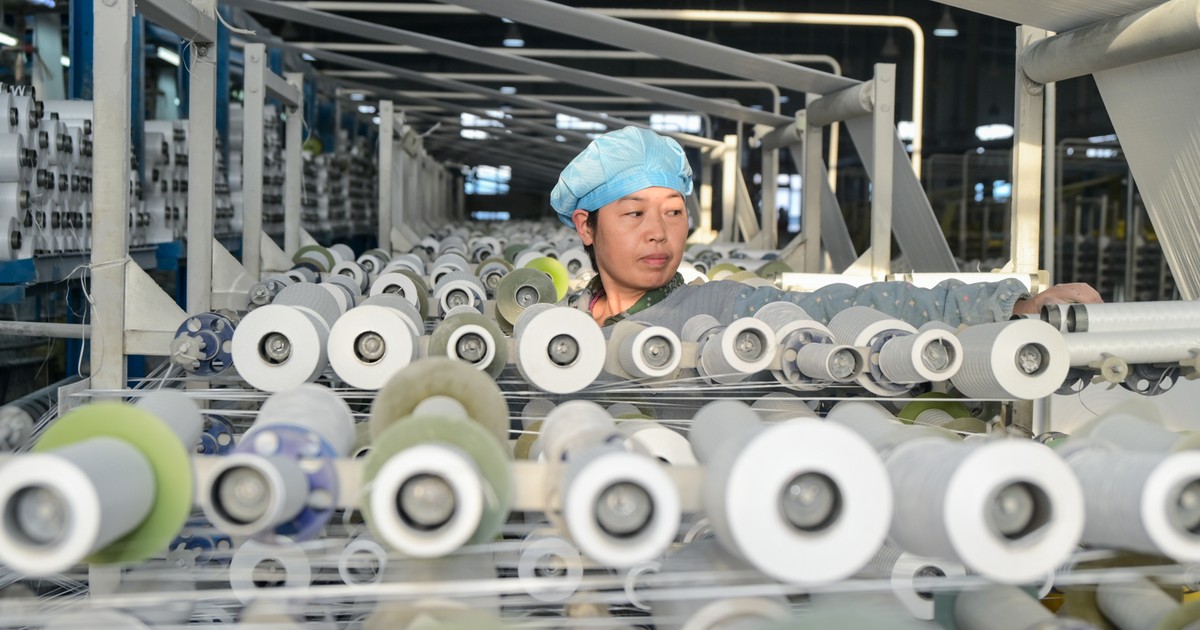
According to the PlasticsEurope report China is the largest producer of plastics in the world with almost 35%. share in global production. The export of plastic products brought the Middle Kingdom USD 106 billion. in 2025, and counting together with plastics in basic form, it is as much as USD 130 billion. This about 4 percent China's total exports.
Read also: Farmers are calling for subsidies for fuel and fertilizers. “The fields will remain unsown”
Rising oil costs due to tensions in the Middle East have meanwhile led to a sharp increase in plastic prices in southern China. This is affecting lower margins for plastics producers, disrupting logistics and triggering panic buying across the supply chain in Zhangmutou, the country's largest plastics trading center, writes Reuters.
“Supplies are exhausted”
“Since March prices are rising rapidly, by about 60 percent. and there is no sign of this trend stopping,” said Peng Xin, CEO of Guangdong Rongsu New Material, Inc. Peng added that inventories at his factory have run out and new raw materials are now being purchased at higher market prices. This pressure will soon spread to customers in other segments.
Read also: Food prices under pressure from the war in Iran. These products may increase in price the most
Zheng Bin, marketing manager at Plas Business Net, an online plastics trading and pricing platform widely used by traders and manufacturers in Zhangmutou, explains that concerns are that the situation in the Middle East will not improve in the next month or two. forced companies to stockpile.
Petrochemical plants in the mining region, struggling with shortages of crude oil and raw materials, have also been forced to raise prices, he said. The rush for deliveries also overwhelmed warehouses and roads.
Queue for a week of waiting
“At the peak of the congestion, Zhangmutou was blocked for almost a week,” said Han Bing, who has managed the warehouse since 2018 and said this year was its busiest in history. Daily turnover has doubled from around 500 tonnes to around 1,000 tonnes.
Read also: Orlen and MOL censored in the Czech Republic. “Lower fuel prices”
“The traffic jams were about 10-15 kilometers long, every warehouse was crowded,” Han added.
Some chemical plants even refused to fulfill previously signed low-price contracts, while fulfilling orders at higher prices.