The fall of Viktor Orbán marks a major political moment, both for Hungary and the rest of Europe, after 16 years of the Budapest-based leader dominating the political scene.
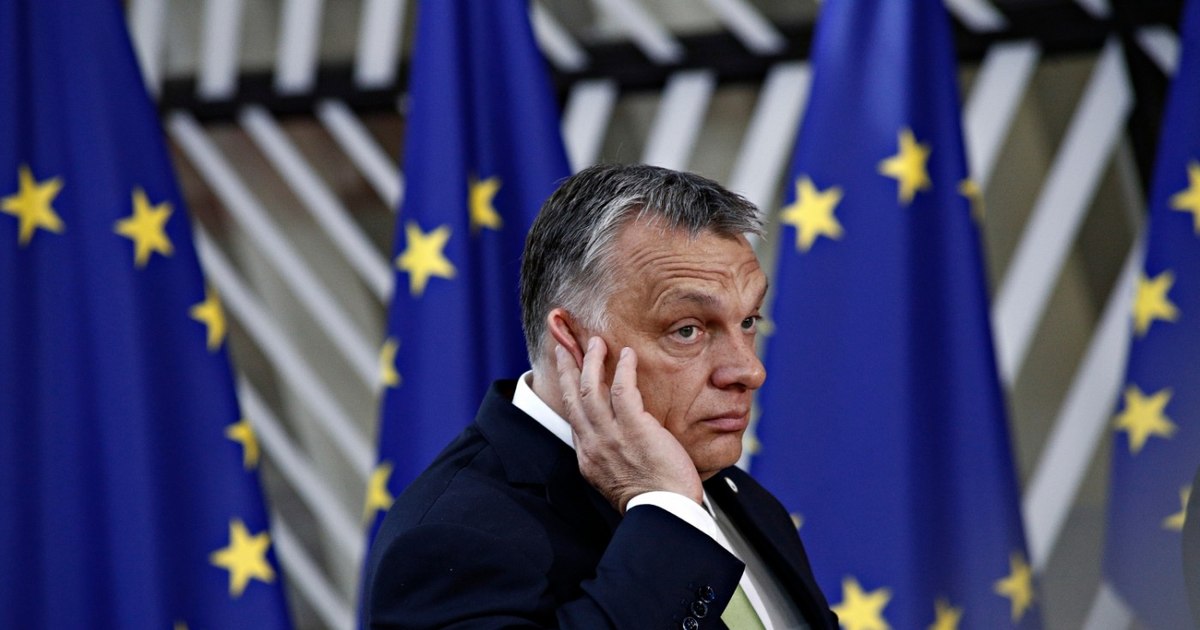
Viktor Orban kept the EU in tension for years/PHOTO: Shutterstock
Amid a record turnout of around 77%, Péter Magyar's Tisza party won a decisive victory, paving the way for a change in direction in a country considered in recent years to be an example of “illiberal democracy”.
A system that has begun to crack
The result comes after a period in which the Fidesz government has been marred by political scandals and criticism over corruption and the management of the economy. Public discontent also grew amid the government's foreign orientation, perceived as closer to Russia and more distant from the European Union.
For many voters, the political alternative has long been limited. The fragmented opposition failed to offer a credible alternative, and the rise of Péter Magyar changed this balance.
A significant but not decisive victory
Although the election result is clear, experts warn that real change will be difficult. The new government will have to manage economic pressures, high expectations from the population and the continued influence of the networks built during the Orbán administration.
The structures created in recent years – in institutions, the media and the economy – cannot be dismantled quickly. In this context, the replacement of the leader does not automatically equate to the transformation of the system, writes The Guardian.
Impact on the European Union
At European level, the result is seen as an important change. Hungary has often been an actor that has blocked or delayed decisions at the level of the European Union, especially on sensitive files such as support for Ukraine.
Péter Magyar's victory could facilitate a rapprochement with the dominant positions in the EU and NATO, although the exact direction will depend on the decisions of the new executive.
A symbol for European politics
For some analysts, Orbán's defeat also has a wider symbolic meaning. The Hungarian leader has been, in the last decade, a point of reference for nationalist and conservative movements in Europe and the United States.
However, the specialists emphasize that the result must be interpreted primarily in a domestic context, being influenced by factors specific to Hungary, such as the economy and governance.
Major challenges for the new government
The executive led by Péter Magyar will have several priorities to manage: restoring relations with Brussels, unblocking European funds and reforming state institutions.
At the same time, there are expectations of a return to higher standards in terms of the rule of law, the independence of the judiciary and freedom of the press.
The experience of other states in the region shows that the process of returning to these standards can be slow and complex.
What's next
Although the electoral victory opens a new stage, questions remain about the new government's ability to implement deep reforms and manage internal and external pressures.
For the European Union, the moment is one of reflection: how it will react to this change could influence future political developments in the region.
Overall, the change in Budapest represents a turning point, but the long-term direction will depend on the decisions that will be made in the period ahead.