Nutritionist: “Holidays without digestive problems do not require restrictions, but smarter choices”

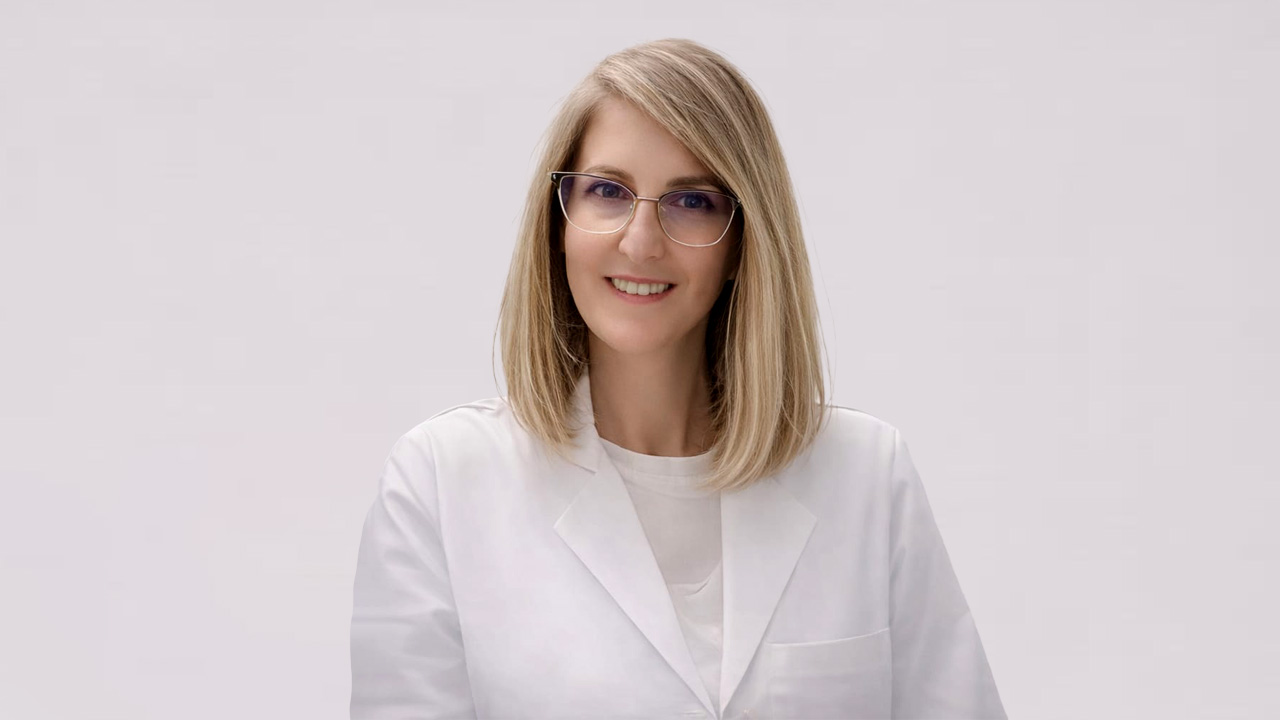
The Easter period can be a real challenge for our digestive system and, implicitly, for our health. The line between simply enjoying the culinary treat in the midst of the family and reaching digestive discomfort (or even a visit to the Emergency) can prove fragile in the absence of a clear strategy for the composition of the feast. I looked for inspiration for the application of simple measures in the organization of meals and activities related to the lifestyle of these days, with the help of Dr. Valentina Giuguleanu, diabetes, nutrition and metabolic disease primary physician at the MedLife Union Clinic in Cluj-Napoca.
The main health challenge regarding holiday meals comes from food combinations that are too high in calories and from overeating in a very short time. Then there is the consumption of alcoholic beverages which, despite some popular beliefs, are neither proper food nor digestive tonics.
“On such occasions, we not only eat more, we also consume heavier foods: many meat dishes, combinations of animal fats, fried foods, heavy sauces, alcohol, followed immediately after an already large meal by dessert. The problem is not that these foods are forbidden in themselves, but that the body is overloaded by combining them”stated Dr. Giuguleanu.
Solutions come not from restrictions, but from balanced choices
Symptoms that appear after such a meal, such as bloating, a feeling of fullness or heaviness in the stomach, sleepiness after a meal, gastric reflux or abdominal discomfort indicate problematic digestion and an imbalanced metabolism. What happens in the body under these conditions, why does digestion become difficult?
“Basically, instead of receiving energy from caloric intake, the body enters a state of exertion, «work harder». The solutions come not from restriction, but from balance: smaller portions, breaks between courses, simpler food pairing and attention to satiety signals. The holidays do not demand dietary perfection, but moderation and pleasure without excess“, emphasized the nutritionist.
Easier food pairing
There are also festive combinations that are more “friendly” to digestion and that are tasty without introducing an excessive and simultaneous overlap of fat, sugar and alcohol into the body.
Dr. Giuguleanu recommended some food combinations to enjoy problem-free digestion even at holiday meals: “A lean meat (turkey, chicken), baked or boiled, can be eaten with baked vegetables or a vegetable salad. Baked fish meat can be eaten with a little rice or natural potatoes. It is good to leave a break between the main meal and dessert.”
The order in which we eat our food matters
The order in which we choose to eat our food can promote digestion and achieve a faster feeling of satiety, and can also contribute to better blood sugar control.
“A simple and effective option would be to start with vegetables (salads, light appetizers), continue with animal protein sources (meat, fish) and then with carbohydrate sources (bread, potatoes, rice). In the case of lunch, a variant would be to start with a soup, a soup or a borscht. Eating them at the beginning of the meal has several benefits: they prepare digestion, provide a faster feeling of satiety and can reduce the total amount of food eaten later. Borscht, in particular, may have an additional beneficial effect through its content of fermented compounds, which support intestinal flora. However, the method of preparation remains important: less fat, avoiding frying (rantas)“said Dr. Valentina Giuguleanu.
Dessert should not be eaten randomly either, so that it does not cause a sudden increase in blood sugar, but also does not disturb digestion.
“As for dessert, the rule to eat it after the main meal remains valid. So, in essence, we don't have to give up the holiday dishes, but just eat them with more structure and moderation. Holidays without digestive problems do not require restrictions, but smarter choices”emphasized the nutritionist.
Alcohol, a fattening toxin
When we consume alcohol, the body perceives it as a toxic substance, which it processes with priority in order to eliminate it as quickly as possible.
“Practically, as long as alcohol is in the body, it primarily deals with its elimination, not with maintaining the metabolic balance. The most important effects produced by alcohol consumption: increase in caloric intake (alcohol has calories >); fat burning is slowed down, with the accumulation of fat especially in the abdomen; blood sugar fluctuations occur; appetite stimulation and reduced food self-control. In other words, alcohol does not just add calories, it also changes the way the body uses them manage”explained Dr. Giuguleanu.
Even red wine, which, due to its resveratrol (a powerful antioxidant), has been associated with some health benefits, cannot be denied its alcoholic nature.
“We need to make an important distinction: these benefits were seen in the context of a healthy lifestyle, not because of alcohol itself. Consumed occasionally, in small amounts, alcohol can be part of a balanced lifestyle. So we're not talking about a total ban, but about moderation and context.”said Dr. Giuguleanu.
An easy walk after a meal, priceless
One of the simplest and most effective habits to support the metabolism is to move after a meal. It is not necessary, nor is it recommended, to make an intense physical effort immediately after the meal, but 10-15 minutes of leisurely walking is enough.
Through light movement, the body better manages the energy received after a meal. Basically, the pumping of blood that occurs during walking puts the muscles in a more favorable context to use glucose.
“Walking after a meal helps regulate blood sugar and can reduce blood sugar spikes, which is essential for people with diabetes or insulin resistance as well as for prevention. There is no need to do complicated things for a better metabolism. Sometimes a short walk after a meal can do more than we think”emphasized Dr. Valentina Giuguleanu.
There are at least two more reasons why post-meal walks are recommended: they reduce bloating and overfilling, and they aid digestion by stimulating intestinal transit.
When digestive enzyme supplements are needed
Digestive enzyme supplements are so hyped that it is important to first understand whether they are really necessary for most healthy people.
“Our body naturally produces the enzymes needed for digestion, and under normal conditions, these are sufficient. There are, however, medical situations in which supplementation is justified: in pancreatic insufficiency (for example, in chronic pancreatitis), in certain digestive conditions, in specific intolerances (for example, lactase in lactose intolerance) and others. But in these cases, enzymes are recommended targeted, not generalized”explained Dr. Giuguleanu.
And then is it right to take them without a prior specialist consultation? What problems can a person face who administers them outside of a doctor's recommendation?
“Used off-label, enzyme supplements can mask symptoms that should be investigated. They can also give the false impression that they solve any digestive problem, when in reality they do not treat the real cause (imbalanced diet, stress, chaotic rhythm). Digestion does not depend only on enzymes, but on the whole lifestyle. We do not need enzyme supplements to compensate for excesses or heavy meals – the body has its own mechanisms of regulation, if we give it the right conditions. enzymes do not make up for the lack of nutritional balance. They have a medical role, not a routine one.” the nutritionist also explained.
In conclusion, using enzyme supplements occasionally, for specific situations, does not represent a major risk in a healthy person. However, frequent or long-term use should only be done on the recommendation of a doctor.
In balance with the needs of our body
So, the main recommendation, which remains valid in any lifestyle context, is for moderation and balance. Because only by maintaining the balance between how much energy we bring into our body and how much energy we consume can we enjoy health.
And in order to stay in balance with the needs of our body, it is also important to pay attention to the signs that our body gives us.
“This balance is not only visible in the analysis, we feel it. A man with a healthy metabolism has constant energy throughout the day, does not feel tired immediately after a meal, does not have intense cravings for sweets, has good digestion and, very importantly, has a peaceful relationship with food, being able to keep his weight relatively stable, sleeps well and wakes up rested.” said Dr. Valentina Giuguleanu, diabetes, nutrition and metabolic disease primary physician at the MedLife Union Clinic in Cluj-Napoca.
***
This article is supported by MedLife, the largest network of private medical services in Romania, and is part of an extensive information and education effort, dedicated to prevention and a long-term healthy lifestyle.
At MedLife, health is approached with care and responsibility, starting from the real needs of each patient. Medical decisions are based on complex evaluations, supported by multidisciplinary teams of good doctors and state-of-the-art technologies. Through modern diagnostic and treatment solutions and, more recently, genomics expertise and the possibility of early identification of risks for common and lifestyle diseases, MedLife aims to help people take better care of their health.
The objective is clear: active prevention and timely intervention, before health problems affect the balance and quality of life. Because health means more than the absence of disease. It means energy, mobility and balance, at any age. MedLife is constantly investing in solutions that support sustainable health and contribute to a life well lived, not just today, but over the long term.
More information about available services can be found on www.medlife.ro.
Article sponsored by MedLife