How Viktor Orban used football to expand his power

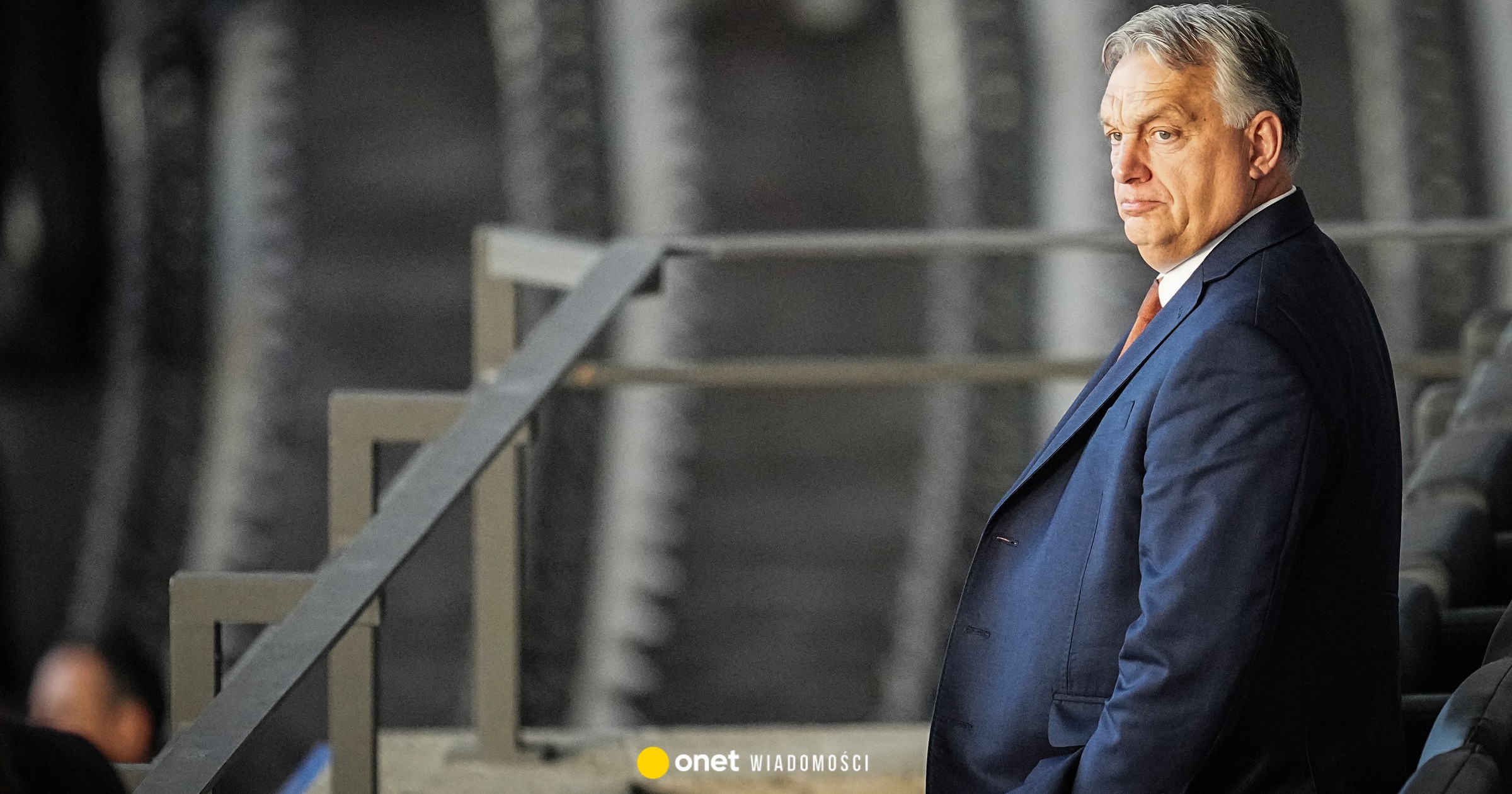
On April 9, US Vice President JD Vance held a pre-election rally at MTK Sportpark in Budapest, a stadium opening in 2025 known as one of Orbán's favorite arenas. MTK Budapest, with 23 national titles, is led by Tamas Deutsch, a member of the European Parliament and the Fidesz party.
“I don't think it's a coincidence,” Gyozo Molnar, a professor at the University of Worcester, told DW.com. — Hungary's stadium and sports infrastructure are part of Orban's political patronage network, which has a huge impact on electoral results in rural communities.
The introduction of the TAO program in 2011 enabled companies to deduct donations to selected sports clubs. This mechanism directed billions to government-backed clubs and construction projects managed by people close to Orban.
Hungary, considered the most corrupt country in the EU, has faced criticism for its use of these funds. Orban defended the TAO program in a 2020 interview with Nemzeti Sport, stating: Before the introduction of the TAO program, entrepreneurs and sports had no relationship with each other. It is not normal for us to regret spending on sports fields or children's activities.
Orban is looking for votes abroad. Football can help him
Fidesz has expanded its football influence to neighboring countries such as Romania, Slovakia and Serbia, where people of Hungarian descent can vote in the upcoming elections.
— Investments in football infrastructure in these communities show that Orban's government cares about Hungarians living abroad, Molnar explained to DW.com. Founded in 2007, Puskas Academy, named after Hungarian football legend Ferenc Puskas, is financed and controlled by Orban. The Pancho Arena, built in Felcsut, the prime minister's hometown, has a capacity of 3,800 spectators, twice the capacity of the local community.
David Goldblatt, a professor at Pitzer College in Los Angeles, visited the stadium in 2017 and became the first foreign journalist to interview Orban in 10 years. “He really loves football,” Goldblatt told DW.com.
Hungarian and Irish players at the Puskas Arena in BudapestPAP/EPA
— He plays, watches, thinks about football. This is his passion, he added.
Orban used the national revival of the football team to build an ultranationalist narrative. “Hungary used to be at the top of world soccer and then it collapsed because of communism,” Goldblatt said. — He told me he wants Hungarian football to become great again. He even had hats with this motto, he smiles.
Hungary has over 25 larger stadiums, and the largest of them, the Puskas Arena in Budapest, will host the Champions League final on May 30.
Molnar believes that this event would be a “huge confirmation of Orbán's strategy of nation-building through sport.” However, if Orban loses the election, the finale may become a bitter symbol, and the new government will take over his project that is so close to him.
— Regardless of the election result, Hungarian football will show whether populist, nationalist projects can be eliminated by democratic means, Molnar concluded.
Polls: People expect Orban to lose. More than half believe that Hungary is going in the wrong direction
Polls published in Hungary in recent days reveal that more people – regardless of their electoral preferences – expect the opposition TISZA party to win Sunday's parliamentary elections. A study by the Iranite Institute also shows that the parliament selected in the vote will consist of representatives of only two parties.
According to the survey, the TISHA party led by Peter Magyar enjoys 41 percent support. the general public, and Prime Minister Viktor Orban's Fidesz group – 34%. No other party exceeded the 5% electoral threshold in the survey. Among declared voters, TISZA won 51 percent. support, and Fidesz – 40 percent.
62 percent respondents believed that Hungary was heading in the wrong direction, with 31% disagreeing. respondents. 54 percent respondents admitted that they would like to see Orban's government removed, with 38 percent people who want the current prime minister to stay in power.
On Sunday, Hungarians will elect 199 deputies to the unicameral National Assembly (Orszaggyules), of whom 106 will be elected in single-member districts, and the remaining 93 will be elected from nationwide party lists. The term of office of parliamentarians is four years.