publication
2026-04-10 11:12
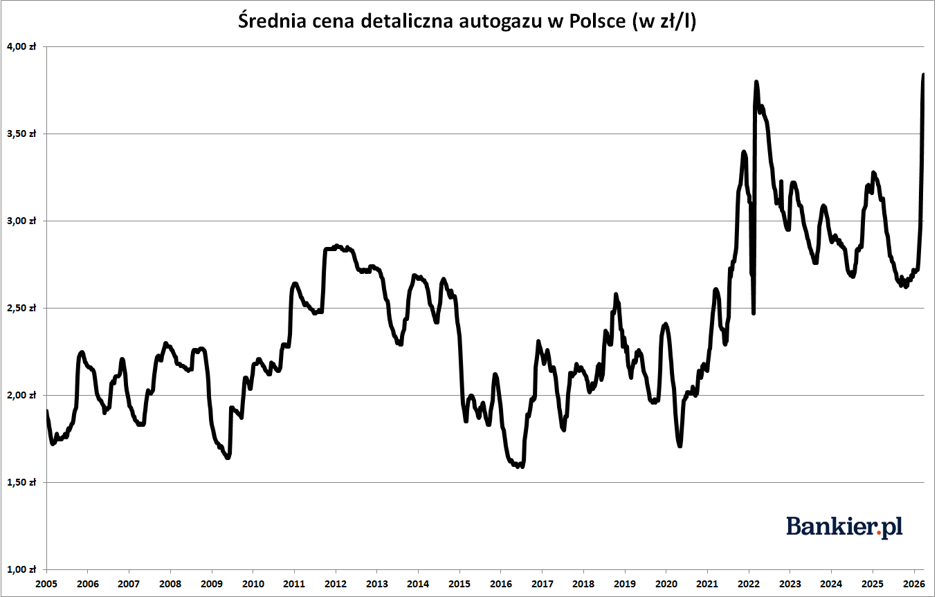
The second week of April brought a return to fuel price increases in Poland. Despite reduced VAT and excise duty (and maximum prices), average prices of gasoline and diesel oil were higher than a week earlier. In turn, autogas was nominally the most expensive in history.
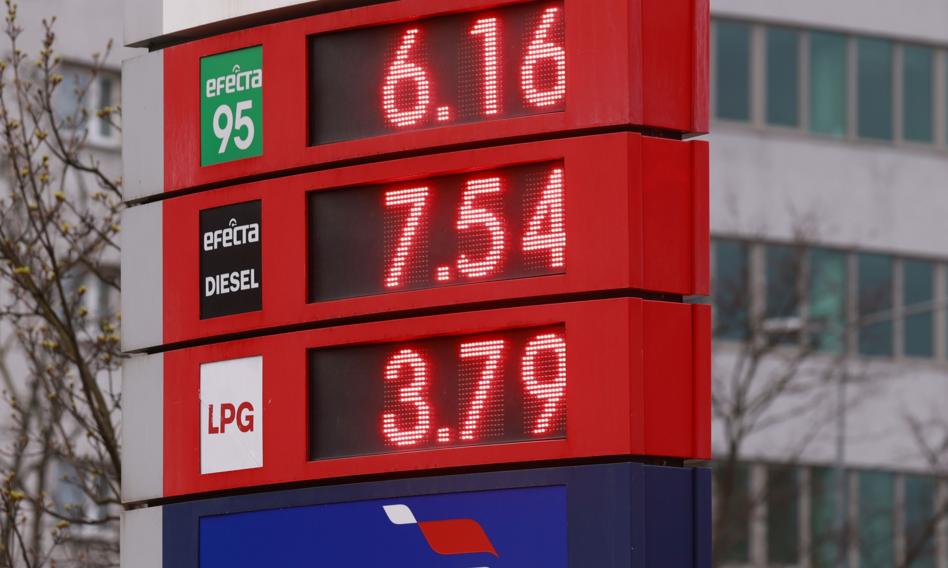
Last week, the average retail price of Pb95 gasoline was PLN 6.23/l and was 4 groszy per liter higher than a week ago – according to BM Reflex data. Diesel oil went up in price by PLN 14/l and was filled for an average of PLN 7.71/l. The average retail price of autogas increased by another 4 groszy per liter and set a historical record of PLN 3.84/l.
Please remember that these are average prices for the entire country. Despite maximum prices, rates at individual stations may differ by up to several dozen cents per liter. For example, in Wrocław you can still refuel Pb95 for approximately PLN 6/l. At the same time, on Friday, April 9, a liter of such gasoline cannot cost more than PLN 6.17, and diesel oil cannot cost more than PLN 7.66 – decided the Minister of Energy.
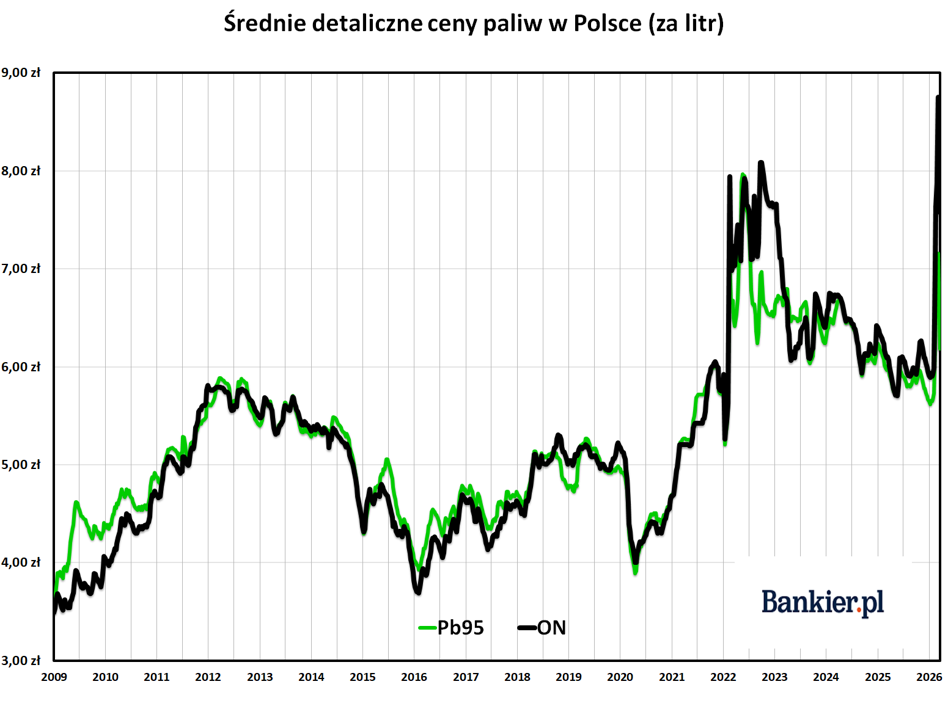
When fuel prices in Poland reached record high levels at the end of March, the authorities decided to intervene. As part of the “CPN” package, the VAT rate on gasoline and diesel fuel was temporarily reduced from 23% to 8% and excise duty rates were reduced. The reduced VAT applies until the end of April (with the possibility of extension), and the lower excise tax only until the middle of this month. An official maximum price has also been introduced. In this way, from March 30, 2026, the Minister of Energy, in cooperation with Orlen, determines the price at which fuels can be sold in Poland.
Maximum prices change every business day, along with changes to the wholesale price list in Orlen. However, reduced VAT and maximum prices do not apply to autogas.
Fuel in the world is still horrendously expensive
Despite the announcement of a 14-day ceasefire in the Persian Gulf, the fuel crisis continues. The Strait of Hormuz remains only partially open to navigation, with most tankers still at anchor nearby. This means that the world is still short of approximately 15% of oil supplies and approximately 20% of LNG. Not to mention petroleum products and other critical raw materials.
As a result, stock exchange prices of finished fuels remain almost extremely high. On Friday, a gallon of gas cost $3.05 on the New York Stock Exchange. This is lower than the $3.38/gallon at the end of March, but it is still a level close to the levels we last saw in 2022. The situation is even worse with diesel oil, a tonne of which is valued at USD 1,360 on the London ICE exchange. This is still 80% more than before the Israeli-American attack on Iran and more than twice as much as at the beginning of 2026.
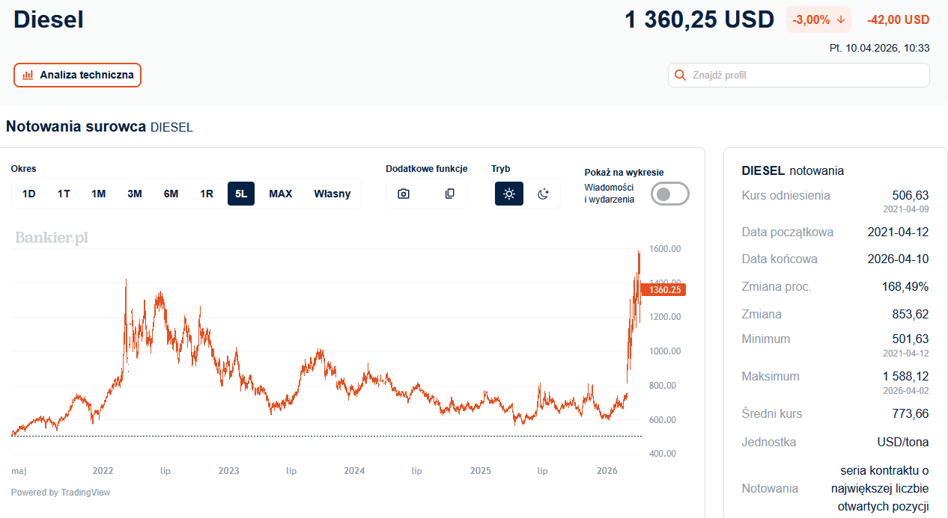
It is to these prices (converted at the USD/PLN market exchange rate) that Orlen must adjust its price lists. On April 10, the price list of the Płock refinery offered Ekodiesel diesel oil at PLN 6,810/m3, i.e. approximately PLN 7.35/l after adding 8% VAT (excise duty and other para-taxes are already included in the wholesale price). This is PLN 20/l less than a week ago and PLN 36/l below the average retail price.
Eurosuper 95 petrol was offered at PLN 5,386/m3, which is approximately PLN 5.82/l after VAT. If the wholesale price is maintained at this level, in the next days we may see prices around (or even below) PLN 6/l at some stations.
After the introduction of CPN, fuel taxation was temporarily significantly reduced. Currently, the state takes approximately every third zloty paid at the station for filling up with Pb95 gasoline. In the case of diesel, taxes make up just over a quarter of the retail price. This is much less than at the end of February, when the government collected almost half of the price paid by drivers. If “standard” VAT and excise duty rates were still in force, the retail price of diesel oil would be close to PLN 10/l, and PB95 petrol would cost close to PLN 8/l.