The Senate loosen the rules for windmills. What will the Sejm and President Karol Nawrocki do?

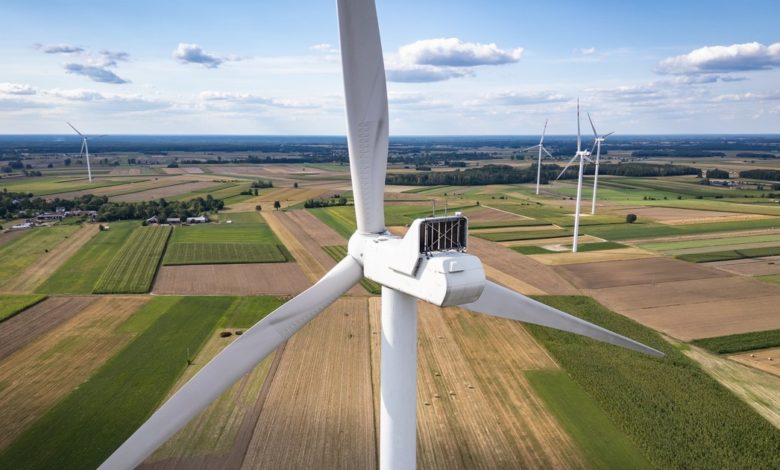
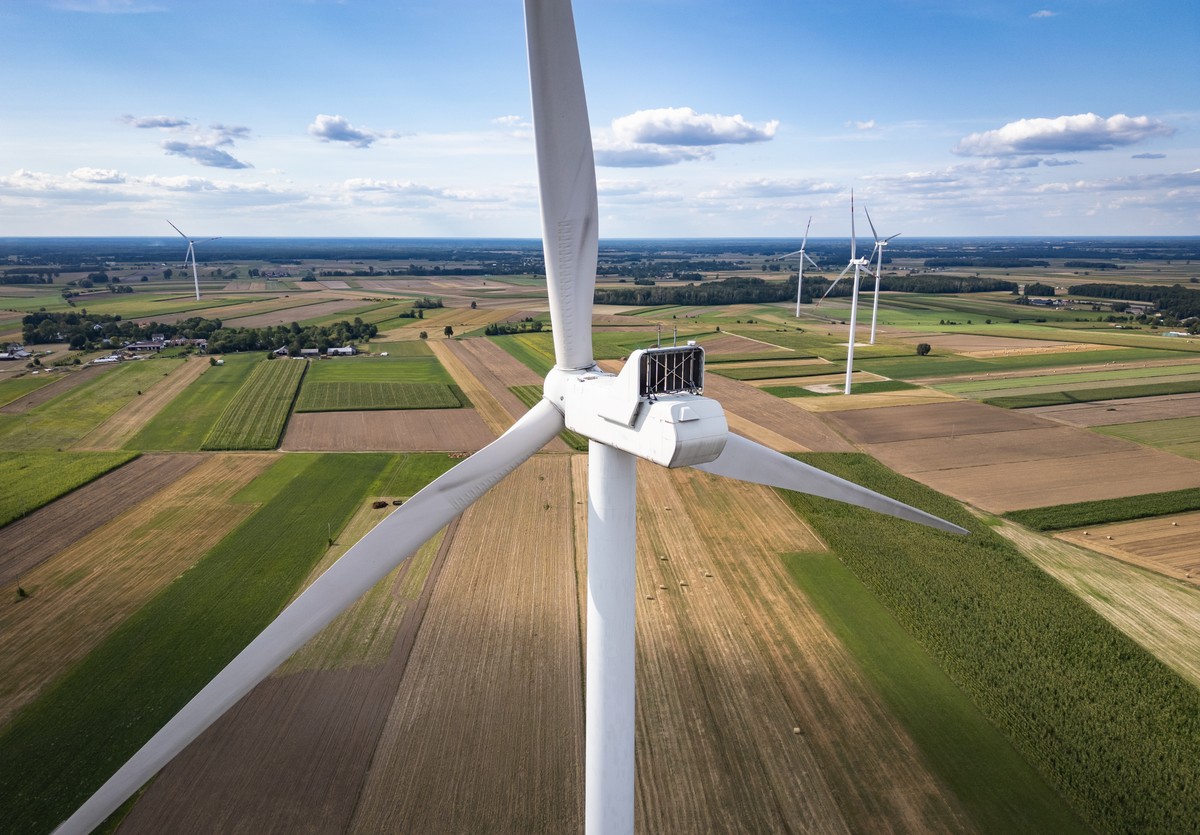
On the proposals of the Senate regarding the famous Act amending the Act on investments in the field of wind farms and some other acts during the meeting on July 23, the Sejm Commission for Energy, Climate and State Asset and the Infrastructure Committee will be around the Sejm Committee on Energy, Climate and Assets. The key changes introduced to the project by senators are a gesture towards investors in land wind energy, whose projects are to become easier.
From the planned act, the provision of a mandatory distance of 500 m between windmills and Natura 2000 areas disappeared. The ban on locating power plants in MRT and MCTR zones, i.e. military aviation routes at low altitudes and military controlled zones, was also abolished. The requirement to maintain a distance of 1h (turbine height) between power plants and national roads has also been removed. In all three cases, investment decisions are to be made individually, as part of environmental decisions or arrangements of local plans with relevant bodies.
Read also: The Senate loosen the rules for windmills. The renewable energy industry is gaining new opportunities
200 m is a significant difference
However, the heart of the project remains The 500 m principle of the minimum distance of windmills from the buildings. According to the estimates of the Polish Wind Energy Association, which we quoted in our pages, it will allow to achieve by 2040 41 GW of power installed in the land wind energy instead of 22 GW with the currently applicable 700 m principle.
Krzysztof Ganczarski, a member of the management board operating on the RES market as a developer and energy producer of Res Global Investment, shares a practical perspective on this subject. – The difference between 500 and 700 m is significant to us. A potential reduction of the distance between wind turbines and buildings by 200 m would increase the power of the projects we develop by more or less 25 percent – says.
He adds that the actual distance between the installation and buildings can be larger, but this is due to local conditions, which the municipalities should decide on their own together with the relevant institutions.
– When implementing each project, for the purposes of environmental impact (needed to issue the so -called environmental decision, i.e. one of the necessary approvals to the investment – editor's note), we perform acoustic analyzes of windmills. In other words, we check the level of noise they generate. It must be within the standards specified by the regulation. With currently used turbines with a power above 4.5 MW, the sound analysis itself indicates a necessary distance of 550-600 m from the buildings-indicates Ganczarski, justifying the need for local determination of the optimal distance.
– What's more, the Regional Environmental Protection Directorates also impose on -realization acoustic analyzes. After building the farm, we must monitor noise every year and mute turbines if they exceed a certain level – adds our interlocutor. He defends the actual distance as part of the environmental impact assessment also in the case of placing farms near Natura 2000 areas.
Decisions made locally
The representative of Res Global Investment positively assesses the Senate amendment tolerating the requirement of maintaining 500 m. – Before the restrictive Act of 2016 (the so -called 10 H principle introduced by it, de facto blocked the development of land wind energy in Poland – editor's note) investors carried out a complicated assessment of windmills on the NATURA 2000 areas. If the specialist said that in a given place windmills did not harm birds or bats, investments next to naturowy are green light. Top -down distance imposed has no logical justification – Arguments Ganczarski.
As he says, during the assessment, the results of which must be agreed by the regional management, it may turn out that a given project will have to be moved because it would threaten the breeding area or a feeding ground; However, this does not require universal regulation at the national level.
Until now, the reconciliation procedure has also been in force in the field of localizing wind farms in military aircraft. – approx. 50 percent Poland's territory is located in air zones, subject to both the Military Command of the Air Force and the Civil Aviation Office. Both institutions reviewed the projects of local spatial development plans taking into account windmills, and each case was considered individually – explains Krzysztof Ganczarski.
In the opinion of our interlocutor, maintaining this state of affairs by amending the prohibition of locating windmills in MRT and MCTR zones is therefore positive. – Of course, when thinking about the locations of our farms, we do not choose such critical places as, for example, the area of the Aviation Military Academy in Dęblin, but when we are in some area of flights, we simply send an application to be agreed. It's good that the amendment of the Senate maintains this compromise – he explains.
Ganczarski's conclusions are therefore obvious – both in terms of distance from Natura 2000 areas and presence in military zones, local decision -making is better than statutory bans and orders. – local governments want the same; Too rigid regulations cause regulations that not only investors have to bother later, but also urban planners, he concludes.
What will the president do?
We also asked the representative of the industry about the opinion about the participatory fund. We wrote more about the solution to the draft distance act in June at the previous stage of the parliamentary work last week; As part of encouraging local communities to wind energy, farm owners are to pay to the residents 20 thousand PLN from each Megawat installed.
Read also: Will they put a windmill in the vicinity? You will get up to 20,000 zloty. The coalition is preparing a considerable revolution
– We do not know yet how the fees for the fund will translate into the budget of the projects. We will have to find out about the impact on operating costs, and subsequent energy prices. In terms of social protests against investment, the solution is certainly a very good argument for us. Specific amounts are also to go to those residents who do not collect rent for the lease of land Ganczarski replies. He also points out that operating costs (OPEX) are also important for the assessment of project banking.
Financial institutions, to which investors turn, may expect a reduction in expenses, e.g. by limiting rent levels for land owners. As for the current activities of Res Global Investment, the company is implementing seven projects for the public company in Poland from Estonia, Enefit Green. In addition, it also develops its own farms, which may be sold in the future, including in the Wielkopolska commune of Czempiń, in Podlasie in the communes of Jedwabne and Stawiski, or in the Podkarpackie Voivodeship in the Czarnocin commune.
Appreciating the amendments of the Senate, Ganczarski is also a pessimist as to the further fate of the act, when from Wiejska Street in Warsaw will go to Krakowskie Przedmieście to the Palace of the Governor. According to our interlocutor, Karol Nawrocki will be inclined to veto the document.
– President's statements betrayed the reluctance to the land of wind energy and advising on the further primacy of coal. Political calculations can also suggest that the veto will pay off due to social protests against investments in some local governments. The industry has done a lot of work in the entire legislative process, reporting numerous amendments to the Act and we would like it not to be in vain. However, we are aware that the attitude of the future head of state does not bode well – he states.