First non-Iranian ship crosses Strait of Hormuz after US-Iran truce. The resumption of traffic remains timid

The “MSG” oil tanker, under the Gabonese flag, became the first non-Iranian ship to cross the Strait of Hormuz with a cargo to leave the Persian Gulf, after the entry into force of the fragile truce between the US and Iran, according to data from the MarineTraffic ship tracking service, informs AFP, according to Agerpres.
The vessel is carrying 6,941 tonnes of crude oil (about 44,000 barrels), loaded on February 28 in Sharjah, United Arab Emirates, bound for India's Aegis Pipavav terminal.
Since the ceasefire came into effect on the night of Tuesday to Wednesday, the ship tracking website MarineTraffic has confirmed the transit of two more Iranian oil tankers and six cargo ships.
All followed the route recommended by Iran's Revolutionary Guards, passing near Larak Island, considered by Lloyd's List as a strategic control point for Tehran.
At this stage, the ceasefire has not favored an increase in transit through the Strait of Hormuz.
The nine confirmed transits of raw material ships in a day and a half are below the average of eight ships that have crossed the strait each day since the beginning of the war.
And of these ships whose passage was confirmed, six are Iranian or were sailing from or to Iran.
Ten other ships appear to be about to pass through the strait on Thursday, according to their signals visible on MarineTraffic. However, their crossing has not yet been confirmed by the specialized site.
How many ships will Iran allow to pass through the Strait of Hormuz daily
A senior Iranian source said Thursday that Iran will not allow more than 15 ships a day to pass through the Strait of Hormuz.
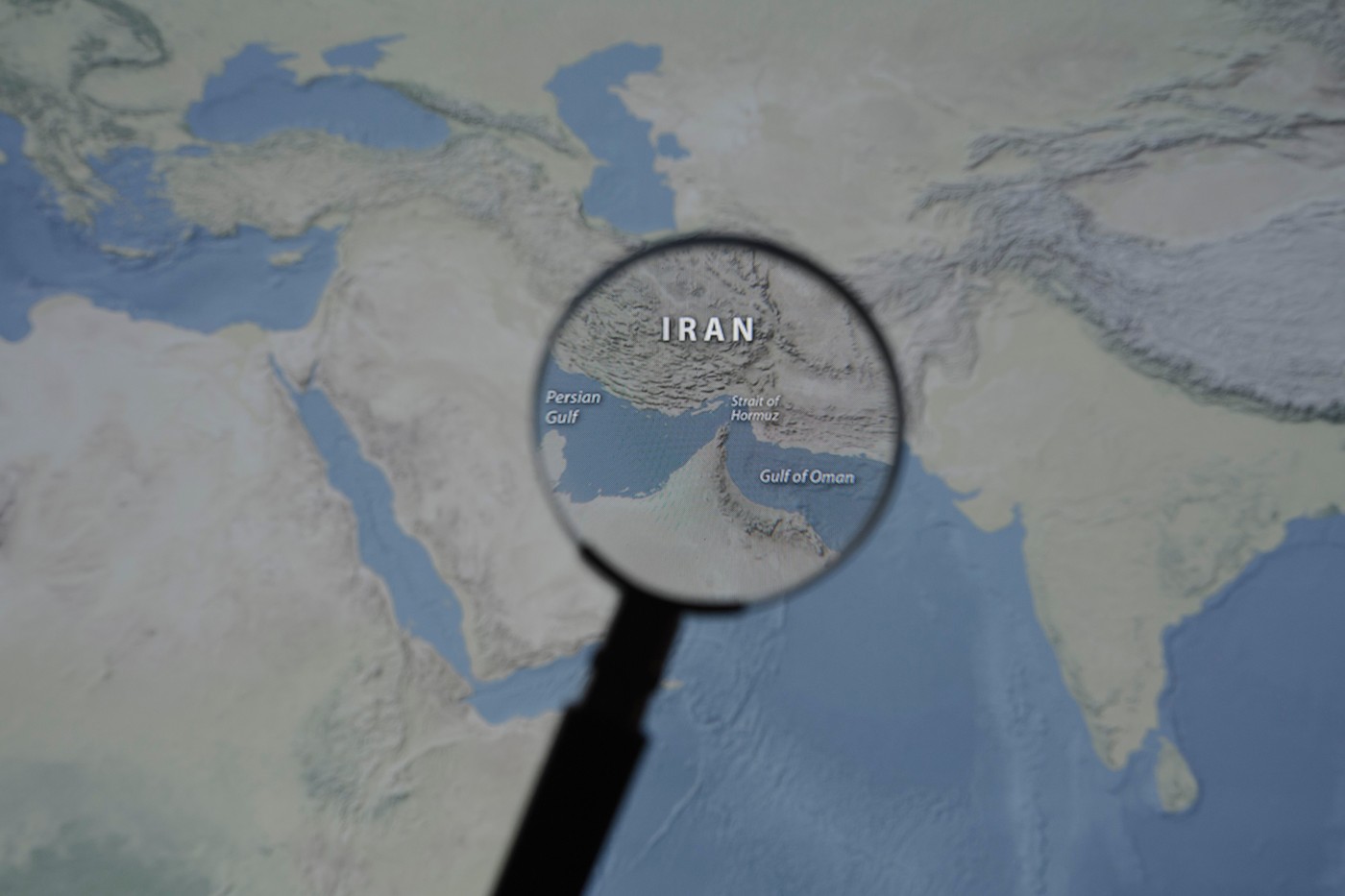
The strategic strait, a strip of water just 34 kilometers (21 miles) wide between Iran and Oman, provides passage from the Persian Gulf to the Indian Ocean and is the main route for about a fifth of the world's supply of oil, liquefied natural gas (LNG) and other vital goods, including fertilizers, Reuters notes.
More than 200 ships have been stuck in the Persian Gulf following the closure of the Strait of Hormuz, which Iran agreed to unblock under a truce agreed overnight with the US for a two-week period while they seek a negotiated exit from the war.
However, Tehran on Wednesday threatened to pull out of the ceasefire deal and block the strait again if Israel continues its bombardment of Lebanon.