While the ground burns across the ocean, Europe is taking the toll. And it attracts billions


And it seems that this argument resonates with the audience. Fund managers from Great Britain, Asia, the Middle East, Africa and Oceania bought as much as 43%. Eurobonds offered by the Commission from the beginning of 2026 – according to data obtained by POLITICO.
Chaos overseas opens the door for the EU to a great game for money and influence.
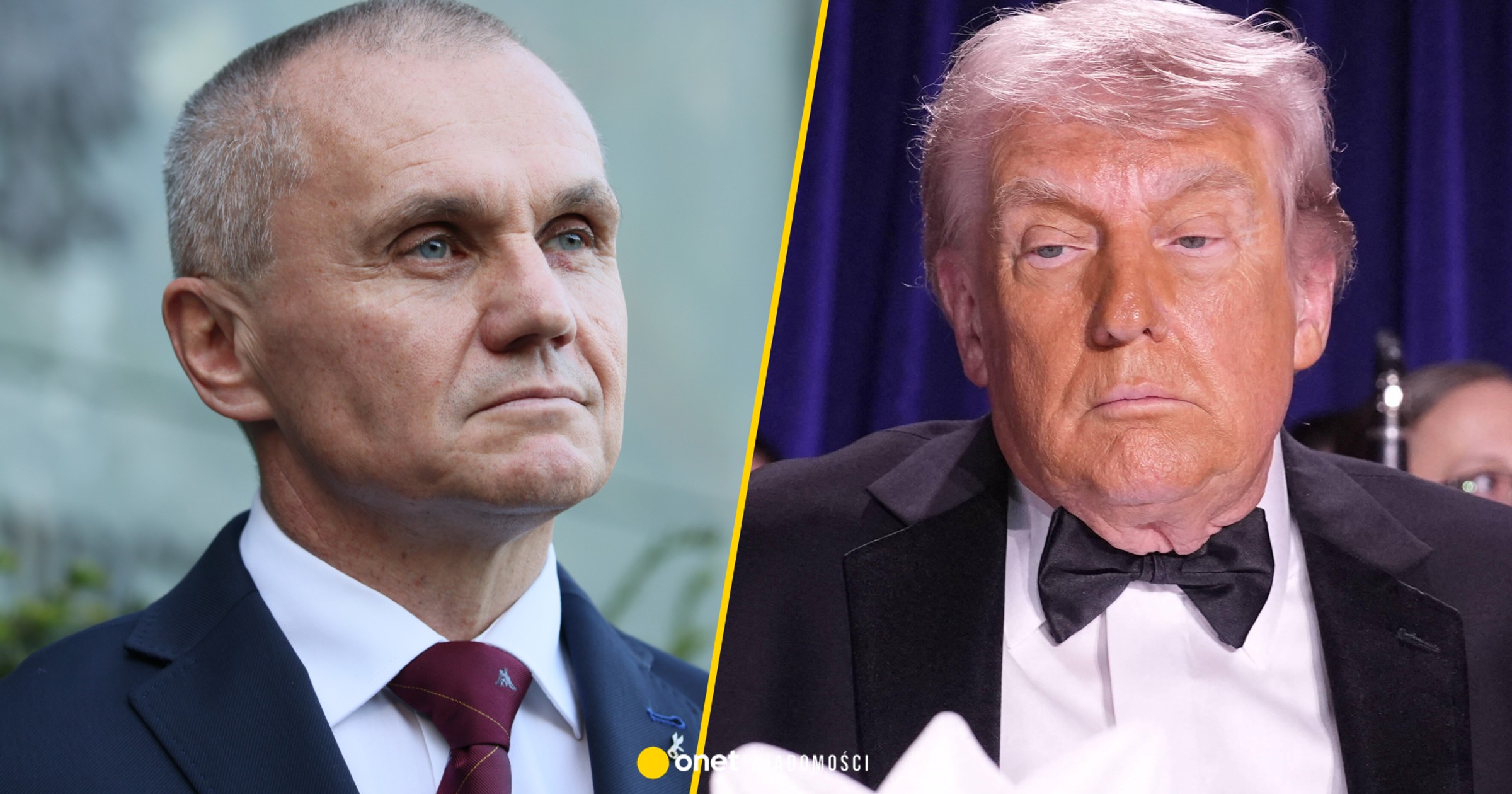
Donald Trump has become the unintentional “advertising face” of bonds issued by the European Union.
Not because the US president is a supporter of the EU.
On the contrary, its customs policy and chaotic actions in the international arena, from threats to annex Greenland to waging war in the Middle East, are encouraging concerned investors to allocate capital in European debt.
There is a growing demand for Europe – for its commitment to the principles of an international order based on rules and values. And this translates into greater interest in EU bonds
— said one senior EU official anonymously in an interview with POLITICO.
The EU is a new safe haven
A similar trend is observed by European rescue funds – the European Stability Mechanism and the European Financial Stabilization Mechanism. Since 2010, they have jointly issued bonds worth EUR 566 billion (approx. PLN 2 trillion, 450 billion), and in 2025 they sold a record amount of debt to non-EU investors.
Since the United States and Israel began bombing Iran in late February, central banks, governments and international investors have net sold more than $80 billion. (approx. PLN 320 billion) American treasury bonds.
Meanwhile, on the other side of the Atlantic, the European Union is taking advantage of the situation to strengthen its position as a safe haven for worried investors.
EU leaders emphasize that Europe is politically predictable, and in the current tense geopolitical environment, this is something that many investors and market participants are beginning to appreciate
said Ken Egan of ratings agency KBRA.
The dollar still rules, but the euro is pressing
However, the sale of American bonds does not mean a mass retreat from the USA. The U.S. Treasury bond market is worth approximately $31 trillion. (approx. PLN 124 trillion), while the market for bonds issued by the European Commission is only approximately EUR 1 trillion (approx. PLN 4 trillion and 300 billion).
However, growing demand for Eurobonds, combined with high credit ratings, allows the Commission to borrow money cheaper than many indebted EU countries. As market confidence increased, the interest rate differential between the Commission's bonds and German government bonds – considered the safest in the euro area – fell to around 40 basis points (0.4 percentage points). This is a marked decline from 70 basis points in 2022.
By comparison, US Treasuries offer investors a premium of more than 130 basis points over German bonds.
Of course, concerns about Trump's policies are not the only factor. Some investors buy EU bonds simply because they are very safe, and the growing scale of issuance increases market liquidity – which makes it easier to buy and sell them.
If it were not for the common debt, the governments of the Member States would have great difficulty in coping with subsequent crises.
The EU debt was financed by, among others:
- post-pandemic reconstruction fund worth EUR 650 billion (approx. PLN 2 trillion 800 billion),
- EUR 150 billion (approx. PLN 650 billion) of cheap loans to increase military spending
- and EUR 90 billion (approx. PLN 390 billion) of support for Ukraine – which Hungary is currently blocking.
Viktor OrbánIMAGO/dts Nachrichtenagentur / East News
The growing interest in Eurobonds also strengthens the EU's ambitions to compete with the dollar as the world's reserve currency. The US has had this status for decades – it was formally established under the Bretton Woods Agreement in 1944, which made the dollar the cornerstone of the global financial system and enabled the US to borrow money cheaply.
The dollar still accounts for about 56 percent. global foreign exchange reserves, while the euro – in second place – remains at around 20 percent.
However, the European Commission wants to use the current situation to attract foreign investors and increase its global importance.
As investors gradually try to wean their economies off the dollar in the name of stability, they are turning to the euro
said an EU official.
The growing importance of EU debt
The long-standing taboo on collective EU borrowing was broken after the pandemic, following years of opposition from northern European countries during the eurozone crisis.
EU leaders also want to significantly accelerate economic development to keep up with the United States and China. According to the former president of the European Central Bank, Mario Draghi, this would require investments of EUR 800 billion per year (approx. PLN 3 trillion and 500 billion).
While this scale of investment still seems distant, the Commission – currently the third largest issuer of bonds with the highest AAA rating in the world (after Canada and Germany) – announces further emissions in the coming years. By comparison, U.S. Treasury ratings range between AAA and the slightly lower AA, depending on the agency.
In its new seven-year budget proposal from 2028, Brussels signals that it will use Eurobonds to finance Ukraine's reconstruction, respond to crises and support member states' investments in EU priorities. However, more frugal northern countries – such as Germany and the Netherlands – oppose further shared debt.
Until the new budget is agreed, investors are waiting for further actions of the Commission, which plans to sell Eurobonds worth EUR 160 billion (approx. PLN 690 billion) this year.
The global market is increasingly afraid of the US dollar. He looks for alternatives. Let's offer him European debt
— said French President Emmanuel Macron in February.