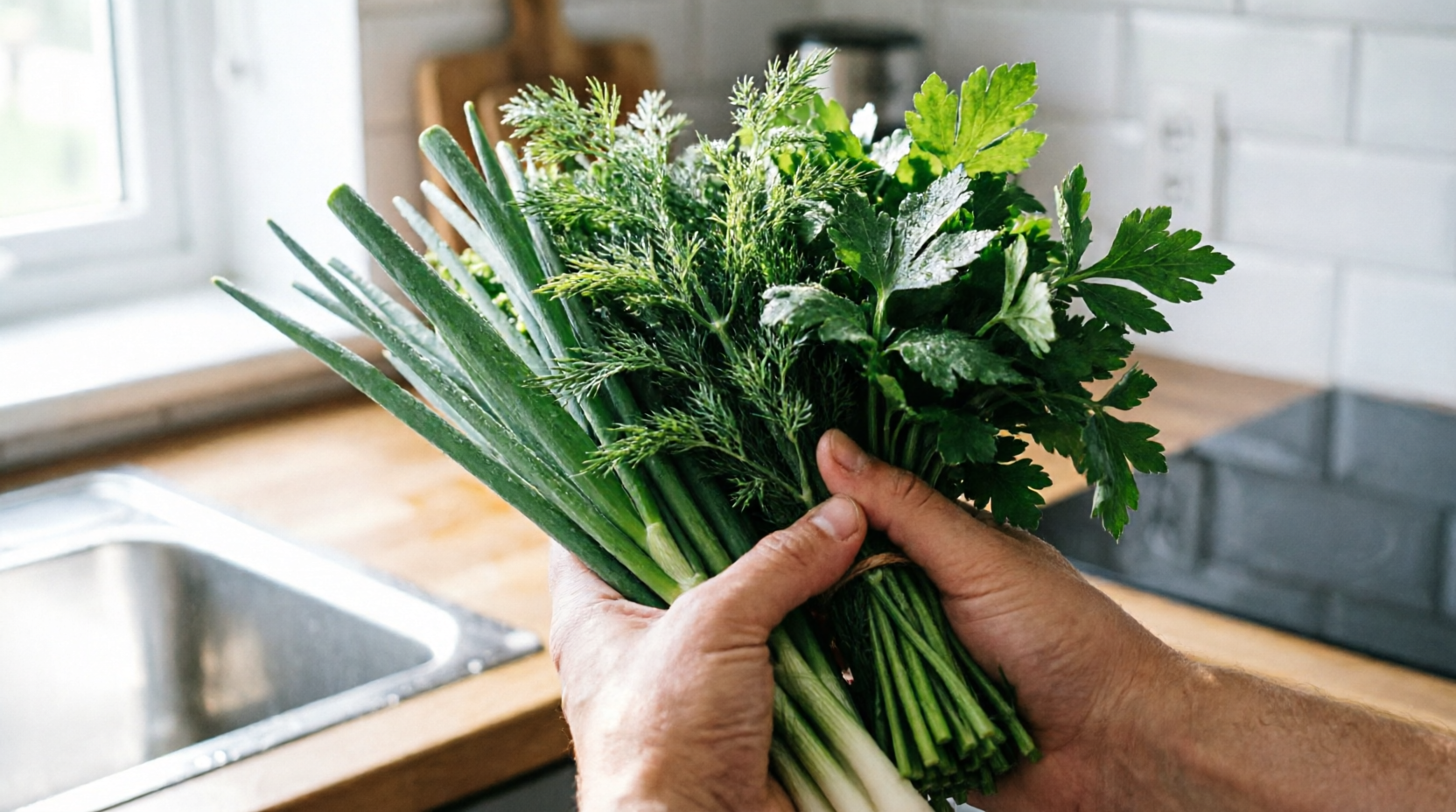
Experts spoke about the proper juxtaposition of plants in garden beds to increase productivity


To get a rich harvest, you need not only to follow agrotechnical practices, but also to place crops correctly, because some cannot coexist with each other. This was reported by specialists from the Krasnoyarsk branch of the Federal State Budgetary Institution “TsK Agroindustrial Complex”.
Related materials
Before sowing seeds or planting seedlings on beds, it is necessary to consider a planting scheme taking into account crop rotation. Alternating crops in one place allows you to increase productivity, avoid soil fatigue, and the spread of pests and diseases. So, after nightshades (tomatoes, peppers, eggplant) and pumpkins (cucumber, pumpkin, zucchini), in this garden bed you can plant greens (dill, onions, lettuce, spinach) or plants from the cabbage family, which are a good precursor for root vegetables (beets, carrots), onions and garlic, and after them it is recommended to sow legumes (peas and beans).
“There is also the concept of allelopathy – the proximity of different cultures, which represents the process of mutual influence of different species on each other. In nature, there are companion and antagonist plants, so you need to determine the main crop and select a companion for it. At the same time, the timing of ripening and the pace of development are taken into account so that the plants have enough light, moisture and space for a root system that will not interfere with their “neighbors,” experts explain.
Potatoes need nitrogen in the soilTherefore, his companions are legumes (peas, beans, chickpeas, soybeans), as well as onions and garlic, which will protect him from late blight, a fungal disease. Tomatoes Fine next to basil, parsley, mint and thyme, but dill, eggplant, potatoes and peppers are not suitable for them. cucumbers adjacent with legumes, lettuce, celery, dill and beets, but are incompatible with tomatoes and potatoes. Beets are “friendly” with most vegetables (carrots, radishes, cabbage, onions), but does not like legumes. Positive effect on carrot growth lettuce, onion, radish, radish, dill, peas, garlic and spinach. For white cabbage next door fit mint, celery, dill, spinach, beets, garlic and onions, but tomatoes and parsley should not be planted next to it.
Also, the principles of allelopathy make it possible to avoid the use of chemicals to protect crops from pests and pathogens; some plants can become biological or natural “guardians,” which is environmentally friendly, safe and will not spoil the taste of the crop. So, perennial and annual herbs (sage, rosemary, basil, coriander, mint and lemon balm) are planted between rows of vegetable crops to protect against the Colorado potato beetle, whiteflies, and armyworms. The phytoncides they contain have a positive effect on the soil, inhibit the development of pathogenic microorganisms and saturate the soil with organic acids. Calendula can be planted next to tomatoes and eggplants, as its aroma repels aphids and protects against fungal diseases. A lavender among strawberries and cabbage it will repel slugs and snails; slugs are also afraid of mustard powder.
“In garden beds, you can use green manure crops – fast-growing plants not for harvest, but to improve the structure of the soil, enrich it with nitrogen and organic matter, suppress weeds and diseases,” experts explain. – These are mustard, lupine, phacelia, vetch, rye. They are sown in mid-summer or autumn and mowed before flowering, embedded in the ground or used as mulch. Every year you can try something new and experiment, but don’t forget about agrotechnical principles to increase the yield in your beds and get high-quality and safe products.”
Newslab now in MAX. News is also published in OK | VK | Zen | Telegram