China's plan in the face of the global energy shock. The Communist Party made “major decisions”

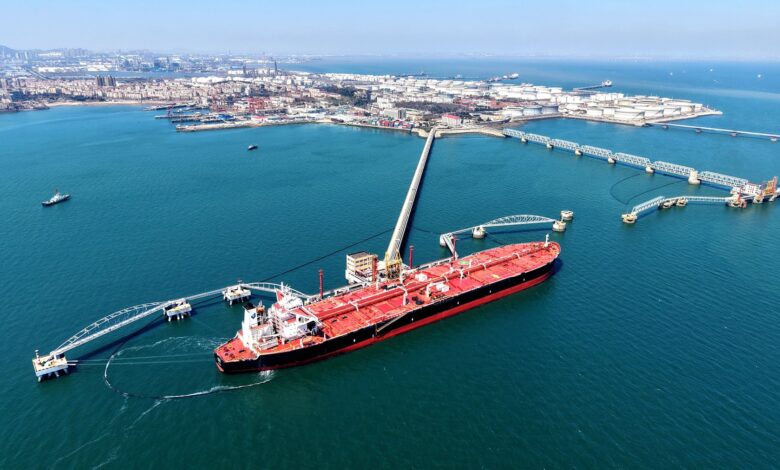
Chinese President Xi Jinping called for speeding up the planning and construction of a new energy system to protect the country's energy security, weeks after the Iran war triggered global energy shocks, Reuters reported on Monday.
Xi also emphasized hydropower development and environmental protection, while urging the safe and orderly expansion of nuclear power, in remarks quoted by state broadcaster CCTV.
“The Central Committee of the party (CPC, no) has reached a deep understanding of global energy development trends and made major decisions promoting the new energy security strategy,” Xi said.
The Chinese president did not directly mention the war in the Middle East in his statements, notes Agerpres.
According to analysts, China is relatively better positioned to absorb oil price increases.
Coal accounts for more than half of its energy mix, while China has vast oil reserves and imports through the Strait of Hormuz account for only around 5% of its total energy consumption.
“The foundation of our energy system”
“The path we took as the first to develop wind and solar power has now proven to be visionary. At the same time, coal-fired power remains the foundation of our energy system and must continue to play its supporting role,” Xi said.
China operates over half of the world's coal-fired power generation capacity, making it the leading carbon emitter.
China continues to view coal-fired power as a backbone of reliability and a flexible backup system, even as it accelerates renewables.
While emphasizing the role of coal in China's energy mix, President Xi said the country must remain committed to clean and low-carbon development.
“A greener, more diversified and resilient new energy system will provide a strong guarantee for China's energy security and economic development,” CCTV pointed out.
China began construction in July 2025 on what will be the world's largest hydroelectric dam on the eastern edge of the Tibetan Plateau.
Also on Monday, China General Nuclear Power Group began construction of a solar thermal plant at an altitude of 4,550 meters in Tibet, according to the state-run Xinhua news agency.