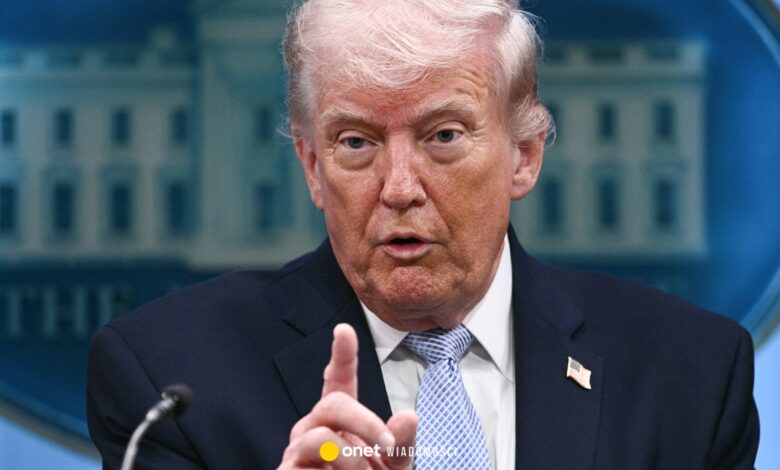
“Open the f***ing strait, you crazy bastards, or you'll live in hell.” With his threat against Iran, US President Donald Trump reached the highest level of escalation on Sunday, even by his standards. On Monday, during a press conference, he confirmed that Tuesday was the deadline for concluding an agreement. He threatened that the entire country could be destroyed in one night. “That night may come tomorrow,” he said.
What happens if his ultimatum, which expires at 2 a.m. from Tuesday to Wednesday, Polish time, will expire and the Iranians will not budge? There are three possible scenarios – and all of them have enormous impact.
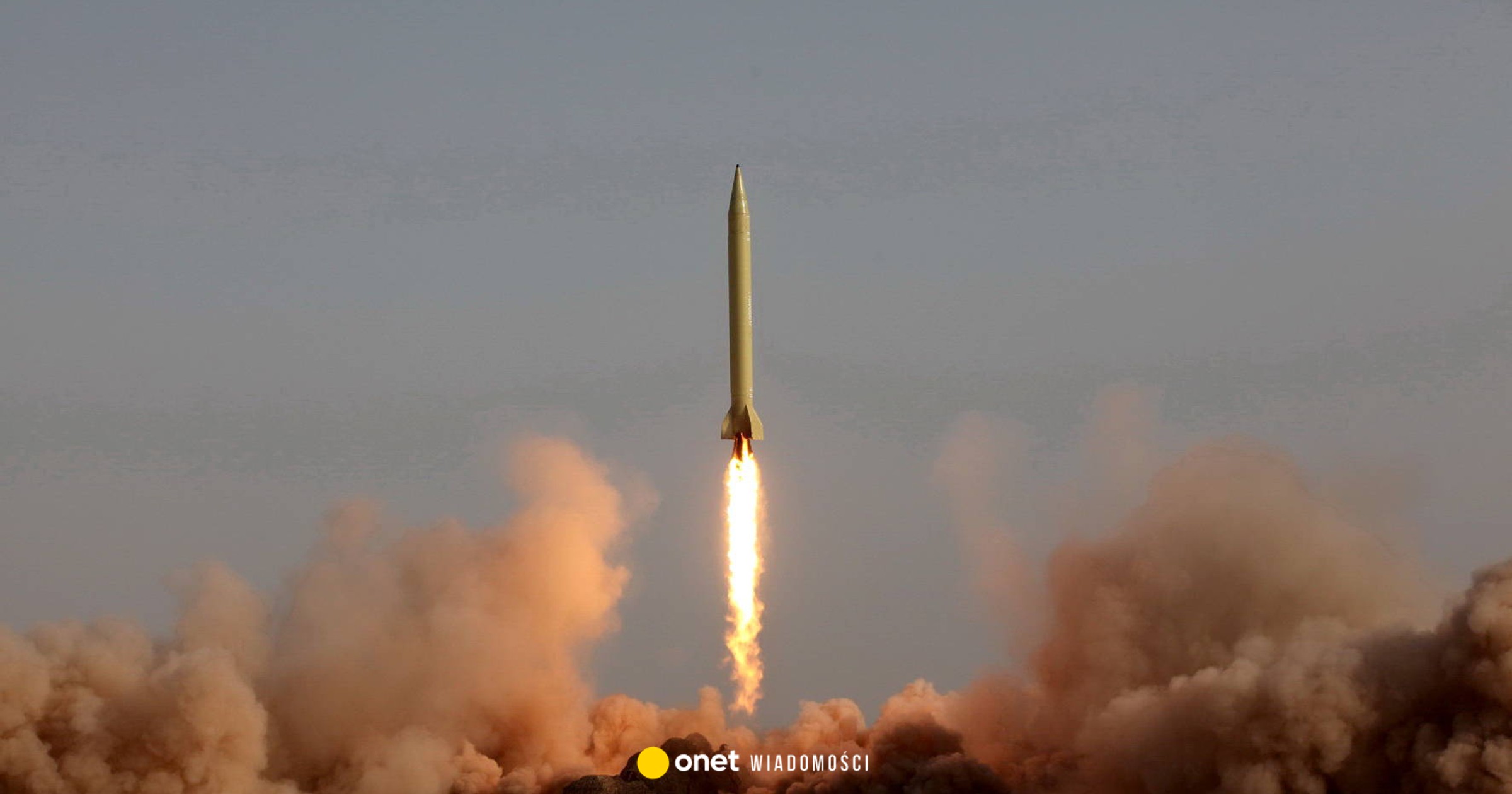
The first is escalation. “Power plants and bridges will be destroyed in Iran!” – Trump announced on Sunday. If he followed through on his threat and attacked Iran's infrastructure — power plants, bridges, industry — it would be more than a military strike. This would be a kind of breaking of the dam. These types of targets are civilian objects and attacks on them could be considered war crimes.
At the same time, Iran would not remain passive. Tehran is already showing how the asymmetry of power works in the 21st century: it does not require a complete blockade of the Strait of Hormuz; a few targeted attacks are enough to scare off insurers and tankers, and thus disrupt a fifth of global oil flows.
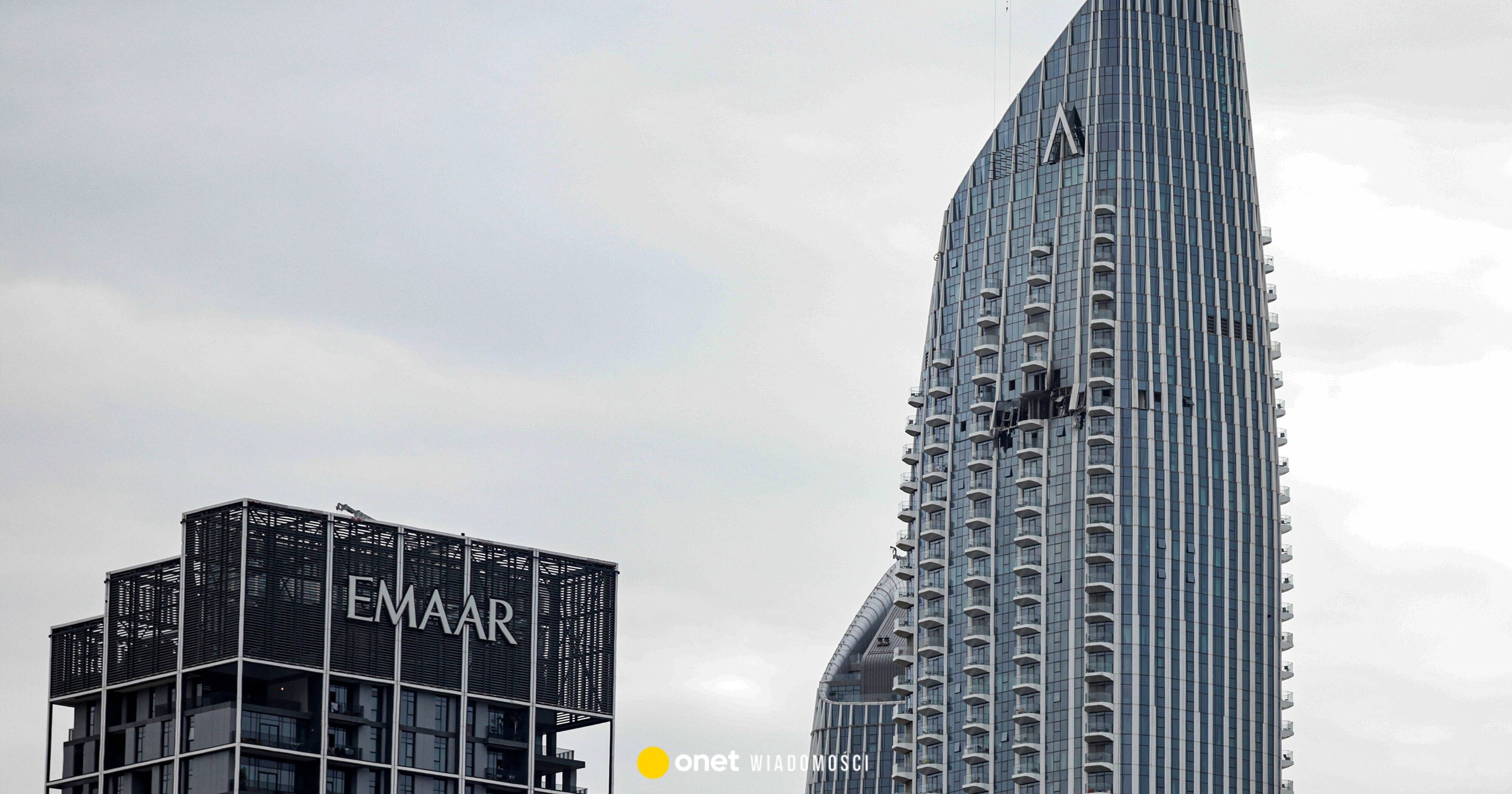
Further escalation would quickly spread across the entire Persian Gulf region, further driving up energy prices and severely impacting the global economy. However, whether Trump will be able to persuade the mullahs' regime to make concessions in this way is highly doubtful. Such an escalation could even backfire.
European allies would distance themselves even further from him because attacks on civilian infrastructure would be politically difficult to justify. At the same time, China, as one of the largest energy importers from this region, would be under enormous pressure – and could be forced to react.
2. Invisible gameplay
The second scenario is negotiation – the diplomatic showdown behind the scenes of threats. While Trump is publicly escalating the situation to the maximum, talks are apparently taking place in the background with Pakistan as an intermediary for a potential 45-day ceasefire.
The calculation is clear on both sides. Trump is under pressure at home as oil and gasoline prices rise are already starting to burden the US economy. Each subsequent price jump means not only a decline in economic growth, but also a loss of political support – especially in the context of the upcoming midterm elections. The economic slowdown could have a direct impact on the election results.
The article continues below the video
Iran, in turn, is playing its strategic card: control over the world's most important energy bottleneck. Even without a complete shutdown, the threat alone is enough to destabilize markets and supply chains.
An agreement is possible — but it would come at a cost, especially for Trump. Guarantees for Tehran, perhaps financial concessions, and above all, a new balance of power in the Persian Gulf, in which Iran demands much greater influence. In this case, diplomacy would not be a breakthrough, but a breakthrough Trump's silent admission that he underestimated his opponent. His original war goals – such as regime change – would thus be pushed far into the future.
3. Sudden retreat
There remains a third scenario – the one that observers have long cynically called TACO (Trump Always Chickens Out). In recent weeks, the US president has repeatedly postponed his own deadlines, intensified threats, and just before the escalation, he relativized them again.
This pattern is not a coincidence, but part of his strategy: maximum pressure on the outside, maximum flexibility on the inside. A withdrawal would therefore not be presented as a failure, but sold as a success — for example by extending the deadline or announcing “good progress” in the talks. Militarily, everything would remain as it was, but rhetorically, Trump would once again demonstrate strength without paying the price of true escalation.
But the main problem remains the same: until the Strait of Hormuz is fully opened, Trump cannot truly declare victory — and the pressure on the economy and markets will continue.
Ultimatum with no way out
The real problem, therefore, lies deeper than the ultimatum itself. Trump created an atmosphere of threat by not having a clear plan for the day after. At the same time, Iran has shown that geopolitical power today does not lie solely in the military and economy, but in control over strategic points. The Strait of Hormuz is just such a point – a chokepoint that could change the global order.
I’m Ashley Davis as an editor, I’m committed to upholding the highest standards of integrity and accuracy in every piece we publish. My work is driven by curiosity, a passion for truth, and a belief that journalism plays a crucial role in shaping public discourse. I strive to tell stories that not only inform but also inspire action and conversation.