This is how NATO is trying to regain the initiative in Europe. “We may not get another warning.”

NATO has introduced new missions aimed at strengthening defenses in eastern and northern Europe, as far as the Arctic, after years of warnings that its forces were not keeping pace with modern threats.
These missions, launched over the last 15 months, include new capabilities, but also expand or reorganize existing NATO operations – from airspace patrols to regional deployments – giving them more urgency.
These actions reflect a growing belief within NATO that the organization has acted too slowly to counter the weaknesses exposed by Russia's full-scale invasion of Ukraine.
Read also in BUSINESS INSIDER
Sabotage and airspace violations
Missions – also known as heightened vigilance activities – largely were a response to acts of Russian aggression and other warnings – explains Ed Arnold, senior European security researcher at the Royal United Services Institute think tank, to Business Insider.
— We may not get another warning, so it's time to move from a reactive to a proactive stance says Arnold.
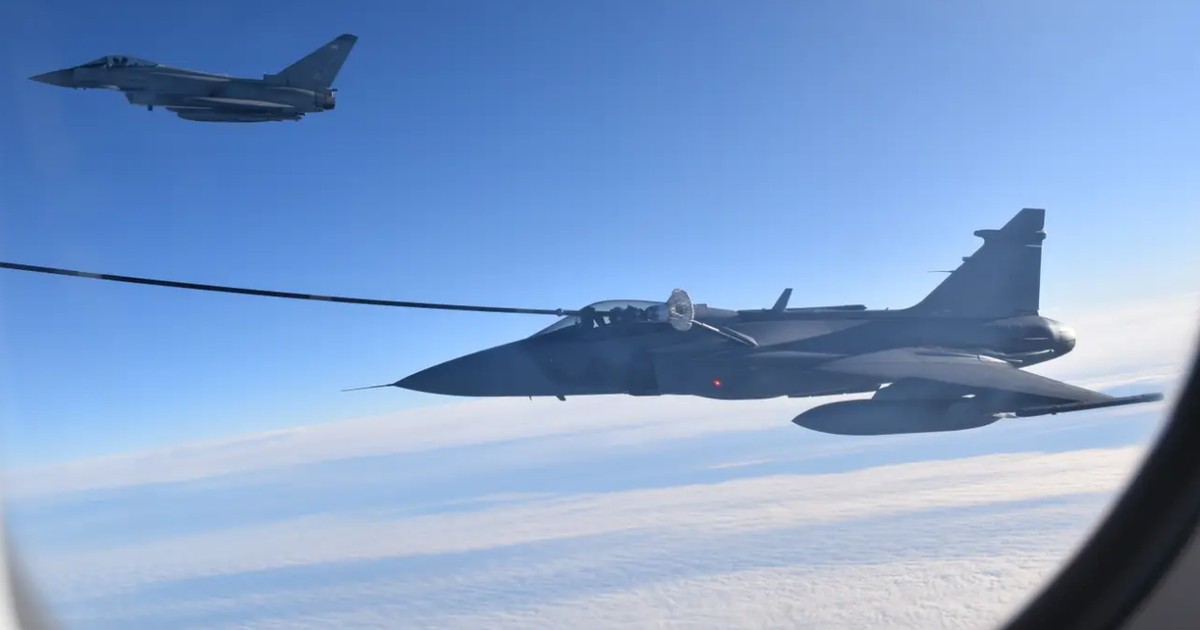
The NATO reconnaissance aircraft will take off in July 2025 as part of the Baltic Sentry support mission
|
Jake Epstein (Business Insider)
NATO military officials say the missions build on growing efforts to strengthen Europe's defense. Vice Admiral Rune Andersen, head of the Norwegian Joint Command, explains to Business Insider that “these operational actions are a way to take advantage of this trend.”
Business Insider took a look at each of the three missions – Baltic Sentry, Eastern Sentry and Arctic Sentry — as NATO seeks to close gaps along its borders and prepare for potential conflict.
From reconnaissance flights near Russia to anti-drone operations on NATO's eastern flank to military exercises in the icy Arctic, these missions show an alliance that sees threats and is rushing to prepare.
Undersea cables and pipelines carry the data and energy on which modern economies and armies depend, making them key – but difficult to defend – targets for sabotage.
Russia's invasion of Ukraine in 2022 was followed by a growing wave of suspected sabotages and attacks in NATO countries. The alliance's response was relatively muted over the years until the cable-cutting incident in the Baltic Sea in December 2024 forced a change in its defense approach.
See also: He predicted Russia's attack. He calls Poland the “muscle” of Europe [TYLKO U NAS]
Baltic Sentry mission
NATO launched Baltic Sentry the following month, and allied nations sent warships, planes and maritime drones to the region to deter future attacks.
Business Insider observed elements of this operation in July 2025 from an E-3 Sentry early warning aircraft monitoring the Baltic Sea and the heavily armed Russian enclave of Kaliningrad from an altitude of 9,000 meters. m.
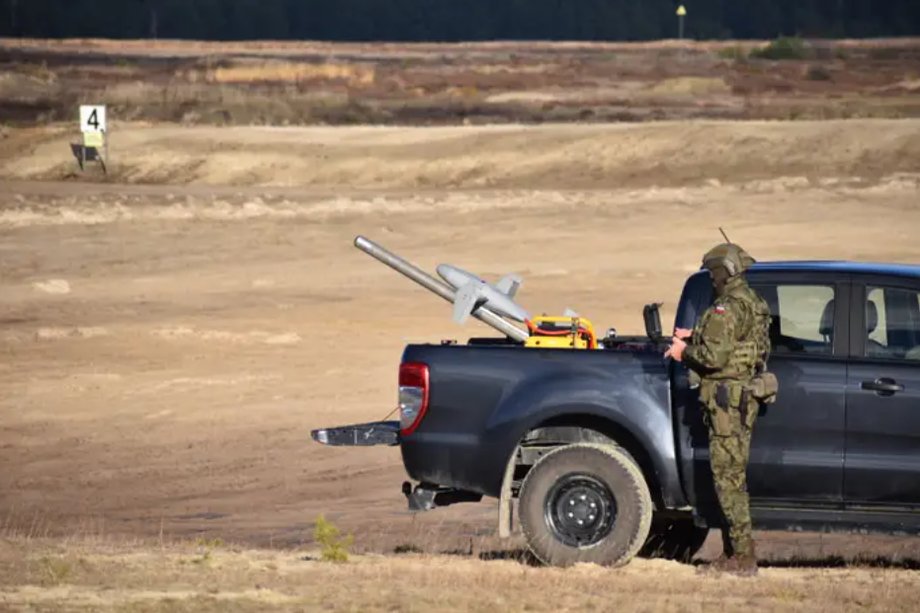
A soldier launches one of the interceptor drones sent to Poland and Romania as part of the Eastern Sentry mission in November 2025.
|
Jake Epstein (Business Insider)
Western officials reported in October that Baltic Sentry appeared to be reducing sabotage, with no incidents reported for several months. This changed in December when Finnish authorities seized a ship suspected of damaging undersea cables.
Eastern Sentry Mission
Like the Baltic Sentry, the Eastern Sentry mission had its flashpoint. In early September 2025, approximately 20 Russian drones violated Polish airspace, triggering a brief but unprecedented air defense fight over NATO territory.
Such violations are important because they test the defense capabilities of states and carry the risk of incorrect assessment of the situation. Even a brief incursion can quickly lead to a wider military confrontation if misinterpreted.
The alliance announced Eastern Sentry two days after the incident, and member nations sent fighter jets, warships and anti-drone systems to reinforce NATO's eastern flank bordering Russia and Belarus.
Russia immediately tested NATO's resolve. Drones and planes violated the airspace of Romania and Estonia, and similar incidents occurred in the following months.
Business Insider visited NATO's eastern flank over the winter to see allied forces participating in Eastern Sentry – from Poland, where soldiers are training on new anti-drone systems, to Lithuania, where Spanish fighter jets take off to intercept potential threats. We also observed the space over the Baltic countries, where British refueling planes were refueling in the air.
Both Baltic and Eastern Sentry were designed as reactive missions, explains Colonel Martin O'Donnell, spokesman for SHAPE (NATO Operational Command).
Threats to undersea infrastructure and fears of the conflict spilling over from Ukraine have existed for years. Arnold stressed that the warning signs had been there for a long time and that the new missions showed how slow NATO had been to respond to known threats.
Arctic Sentry mission
Arctic Sentry was created in response to other threats and the awareness that NATO has a chance to act when Russian Arctic forces are engaged in Ukraine.
NATO representatives have long expressed concerns about the growing activity of Russia and China in the Arctic and called for greater investment in the defense of the High North.
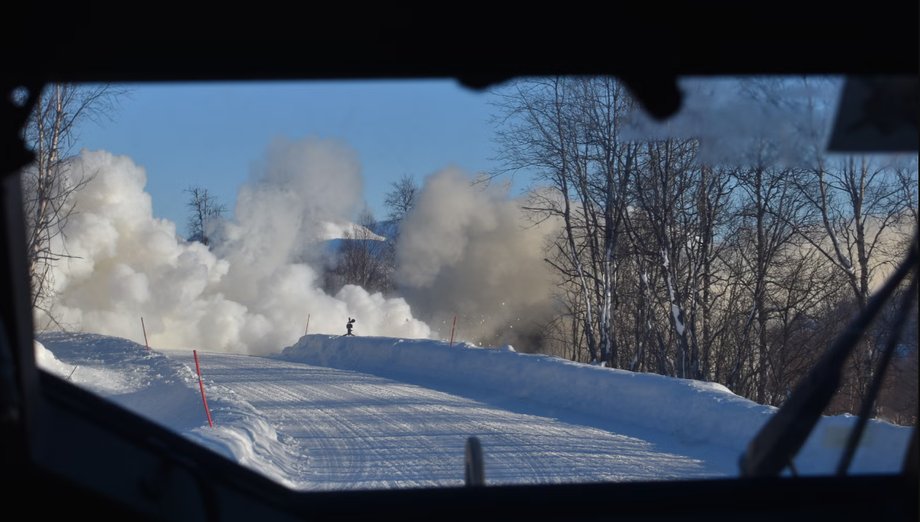
US Marines fire rocket artillery in February 2026 during Exercise Cold Response, which is taking place this year as part of the Arctic Sentry program
|
Jake Epstein (Business Insider)
In February, NATO Secretary General Mark Rutte announced the launch Arctic Sentry — a mission to enhance security through exercises, patrols and other activities.
A few weeks later, Business Insider traveled to northern Norway to observe NATO artillery forces during the Cold Response 26 exercise, preparing soldiers for operations in the Arctic.
Col. O'Donnell says thanks to Arctic Sentry NATO is trying to be more proactive towards threats from Russia and China.
Admiral Andersen pointed out that one of the impetus was the American initiative to take Greenland, which increased the sense of urgency among the allies.
It was called a “wake-up call” for Europe, underlining the importance of a coordinated presence in the northern region.
US President Donald Trump's repeated criticism of NATO and his harsh rhetoric towards allies have raised doubts in Europe about US commitment, prompting some countries to reduce their dependence on Washington for security.
Western officials emphasize that thanks to the Sentry missions, European countries show their own initiative and defense investments. Although the US continues to participate in the operations, European armies play a leading role.
Ed Arnold will say that these missions largely reinforce existing plans – NATO is deploying forces where it should have done before. He considered the two-year delay in strengthening the eastern borders with anti-drone systems to be too long.
“You're getting to the point where all three events leading up to these missions were warnings,” Arnold says. He adds that NATO is trying to regain the initiative after years of responding to threats it was able to predict.
The above text is a translation from American edition of Business Insider