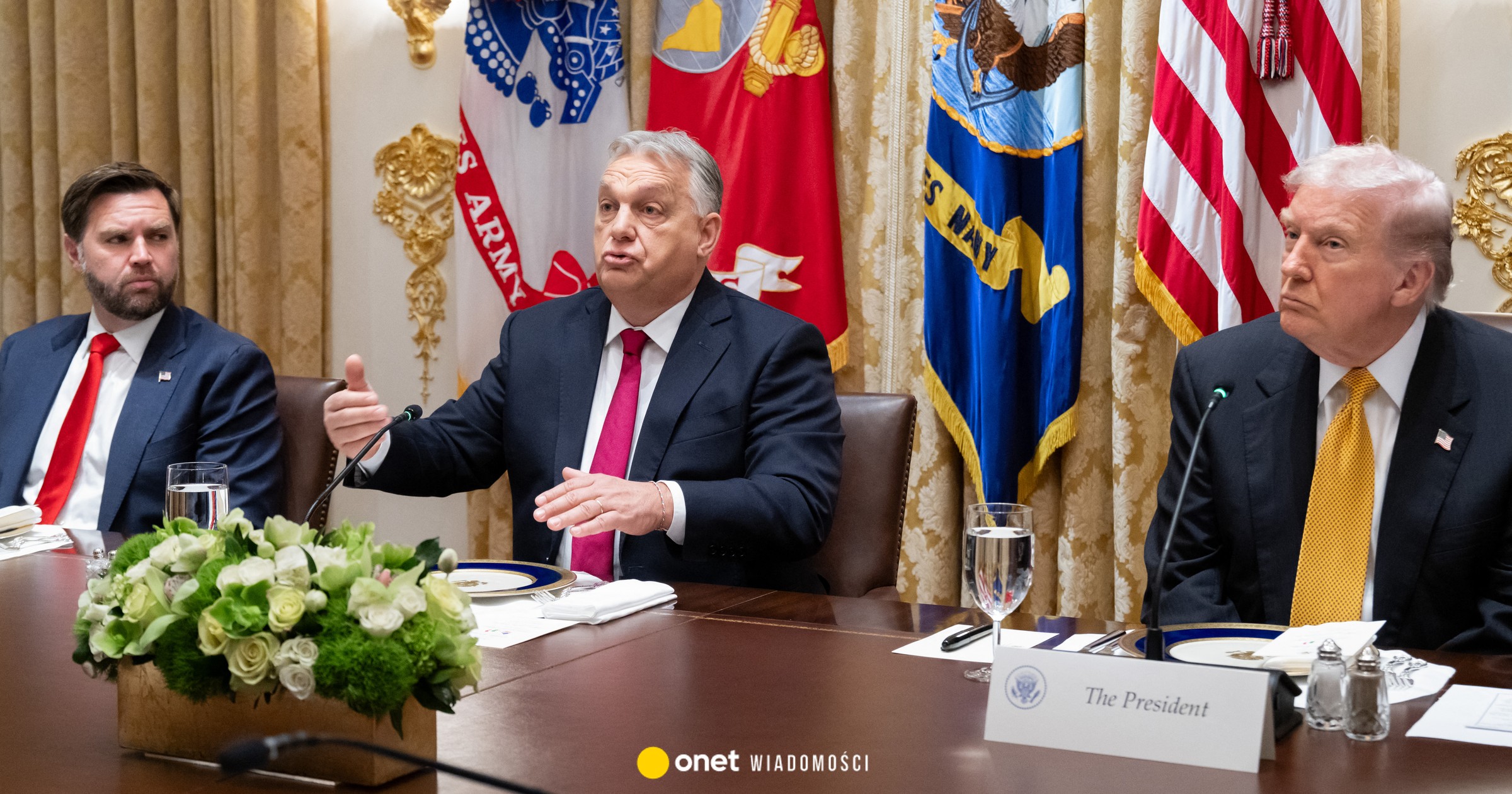
US Vice President JD Vance is scheduled to travel to Budapest on Tuesday. This risky action shows how far the White House is willing to go to support Hungarian Prime Minister Viktor Orban before the parliamentary elections in Hungary scheduled for April 12.
Orban is losing support in polls, while opposition candidate Peter Magyar is gaining ground in the fight for power in Budapest after 16 years of rule by the Fidesz party.
Vance's visit, scheduled for Tuesday and Wednesday, was presented by Hungarian government spokesman Zoltan Kovacs as part of a celebration of the deep ties between the two countries. “The visit highlights the strong and lasting alliance between Hungary and the United States,” he wrote on X on Friday.
The US vice president will hold talks with Orban, who supports the American MAGA movement, and then give a public speech. In this way, Washington is directly involved in the final phase of the heated election campaign in Hungary.
In defense of allies
This echoes US actions in Argentina last year. U.S. officials, including Treasury Secretary Scott Bessent, also intervened there at the time to support President Javier Milei ahead of the nation's midterm elections. All this to keep the key US ally in the Western Hemisphere in power.
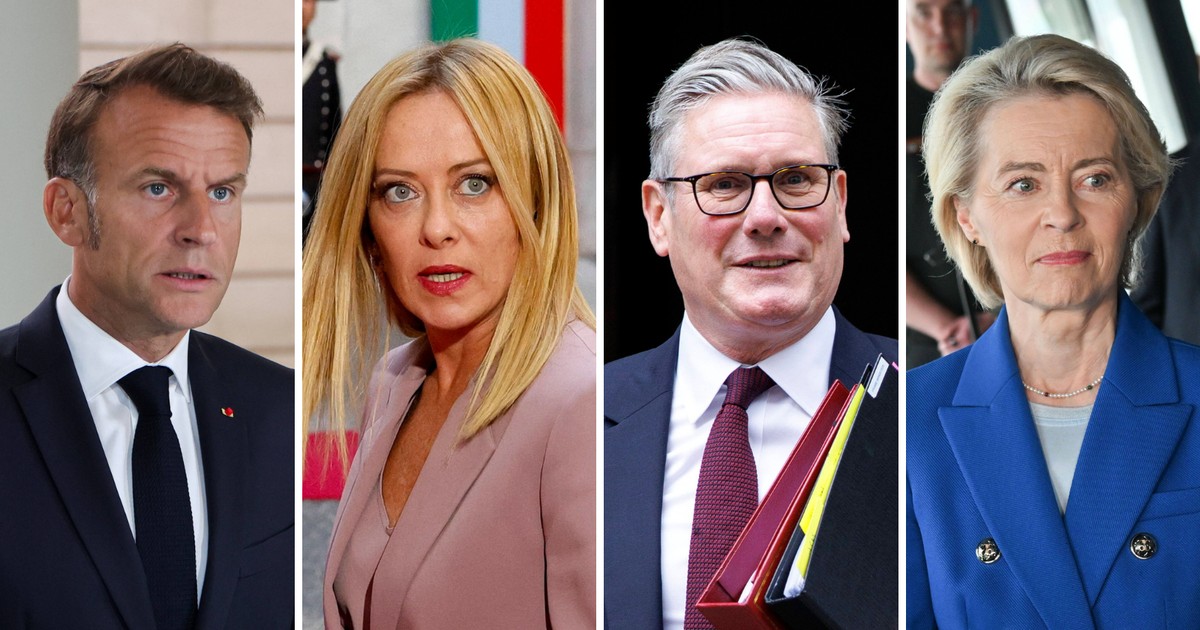
In numerous speeches and statements in the 15 months since President Donald Trump returned to office, senior US officials have made clear that they believe Europe is on the wrong political path. And the nationalist-populist Orban is a role model for European leaders.
The article continues below the video
The Hungarian prime minister promotes his vision of illiberal democracy, while frequently clashing with Brussels over the direction of EU policy on migration, Russia and minority rights.
Vance himself delivered a sharp speech at last year's Munich Security Conference in which he accused European leaders of ignoring their citizens, invalidating elections, disregarding religious freedom and failing to act to stop illegal migration.
The high price of support
The Trump administration has maintained close relations with Orban since the US president's first term. Currently, Washington's support for Budapest also extends to the pre-election campaign aimed at keeping the current Hungarian prime minister in power.
US Secretary of State Marco Rubio spoke of a “golden age” in relations between the two countries during his February visit to Hungary. This is a signal of Hungary's growing importance for the US at a time when its relations with other European capitals are deteriorating.
While top Fidesz officials are excited about Vance's visit to Hungary, not everyone is so impressed. Magyar warned that the visit may involve certain arrangements, suggesting that Washington may demand concessions in return for its support.
“Both aid from the East and the West has a price,” he said, raising the question of what Hungary might be asked to do in return. He also referred to increasingly frequent reports that Russia's contacts with high-ranking Orban officials are deeper than previously thought.
These allegations caused a storm during the election campaign. Hungarian Foreign Minister Peter Szijjarto admitted this week that he had been in contact with officials in Moscow as EU ministers discussed imposing new sanctions on Kremlin allies. According to media reports, Budapest allegedly pressed for the easing of punitive measures targeting Russian elites and oil supplies.
I’m Ashley Davis as an editor, I’m committed to upholding the highest standards of integrity and accuracy in every piece we publish. My work is driven by curiosity, a passion for truth, and a belief that journalism plays a crucial role in shaping public discourse. I strive to tell stories that not only inform but also inspire action and conversation.