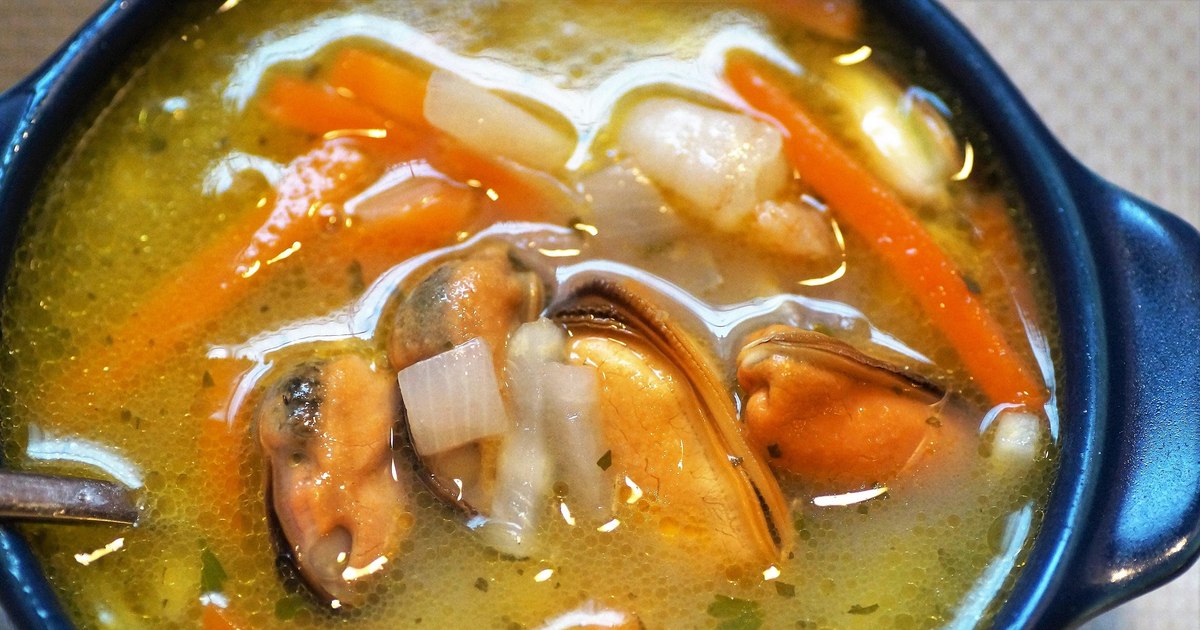
During each fasting period, one of the most frequent questions is whether seafood, today an affordable product, is fasting or not. The answer takes into account several aspects.
Seafood preparations are fasting food in other countries PHOTO: Pixabay
The Easter fast is the longest and hardest of the fasting periods in the Orthodox tradition, and believers who embark on this path know that they must observe not only simple dietary rules, but also the spiritual meaning of the fast.
Seafood in fasting. What the Orthodox Church says
In the tradition of the Romanian Orthodox Church, fasting primarily involves abstaining from animal products: meat, dairy and eggs. This is the basic principle present in pastoral guidance and tradition. Fasting, on the other hand, has several steps, in monasteries, for example, a much stricter fast is kept than in the homes of the laity.
When it comes to seafood – such as shrimp, mussels, squid, octopus, etc. -, foods allowed in fasting in other traditions, the discussion is conducted differently.
Father Gabriel Cazacu, priest at the Cașin Monastery in Bucharest, explained to “Adevărul” when such foods can be considered “fasting”.
“At the Holy Mount Athos, there is this ordinance by which on certain days these seafood are untied. But this untiedness is related to the fact that they live – and not only there, but also in other areas of the world – where there is no agriculture, where there is not this wealth of vegetables and fruits with which we are blessed in Romania. So, for blessed reasons, they are exempted and are considered to be a blessed food. Because they are poor countries, there are countries that do not enjoy this wealth of the land with which we are blessed in Romania”, Father Cazacu pointed out.
Modern man seeks to find solutions to respect the rules established by tradition, but in this search he loses sight of the fact that simplicity is the best answer, the priest emphasizes.
“Simple fasting, as we have inherited it from our ancestors and ancestors, is that which is done with the fruits of the earth. With beans, with potatoes, with onions, with the zacusca that we make in our households in the fall, this preparation from one generation to another that helps us not to think all day only about the needs of the stomach”, added the parent.
But fasting means much more than what we eat. “It means what we do, what we think in fasting, how we forgive each other, how we do not bite our neighbor during this time. How we reconcile, how we ask for forgiveness if we have wronged someone. It is not just about food”priest Gabriel Cazacu also pointed out.
Lenten pasta recipe, simple and quick, recommended by chef Cătălin Scărlătescu
A diet of only non-animal foods remains a diet, which, for example, vegetarians observe 12 months of the year, but this does not mean that they are fasting.
“Fasting addresses the soul, because it balances the needs of the soul with those of the body.” the father emphasized.
When we have doubts related to various aspects regarding the observance of fasting, we should seek the answers from our priest, priest Gabriel Cazacu also guides us.
“During this period of fasting, we must confess, share. All these blessings, even those related to seafood, we get from our priest. We must have a dialogue. Each of us, each family, each believer, must have a priest. And this priest teaches us. There are also people exempted from the post. People with chronic diseases, pregnant ladies, children who are growing, those who are in hospitals. So there is, here, this variation that the spiritual fathers establish according to the medical diagnosis that a believer has, who in parallel is also a patient”the priest also specified.
Why shrimp and mussels are considered “fasting” in some traditions
The inclusion of seafood in the fasting food category comes from the Byzantine tradition, the basis of Orthodox fasting rules. According to it, food is divided not only by origin, but also by traditionally perceived biological characteristics, so land animals and birds are forbidden, fish is allowed only on fasting days, and non-warm-blooded sea creatures are considered fasting.
In Romania, on the other hand, this tradition does not exist, the inherited customs say that we eat during fasting only what the earth offers us, i.e. “the fruits of the earth”.
What you can eat for fasting during Holy Week
Holy Week is the strictest fasting period of the year, being also the oldest fasting period in the history of the Church. In this week, in which the miracles and unusual deeds of the Savior are remembered, the rules are stricter, and the emphasis falls on simplicity and sobriety.
During the first three days – Monday, Tuesday and Wednesday – there is a strict fast, black fasting for those who can support it from the point of view of health or fasting, in the evening bread and water or boiled vegetables without oil are allowed. And on Thursday the fast is harsh. It is eaten once a day, in the evening, dry or food with oil.
Good Friday is the harshest day of Lent. Fasting without food or water until sunset. On the last day of fasting, Holy Saturday, one also eats once a day, in the evening, preparing the meal for the Resurrection.
Sunday is the first day when sweet foods are allowed after the long fast.
Foods commonly allowed in fasting are: vegetables and fruits, cereals and bread, legumes – beans, lentils, chickpeas, etc., seeds and nuts.