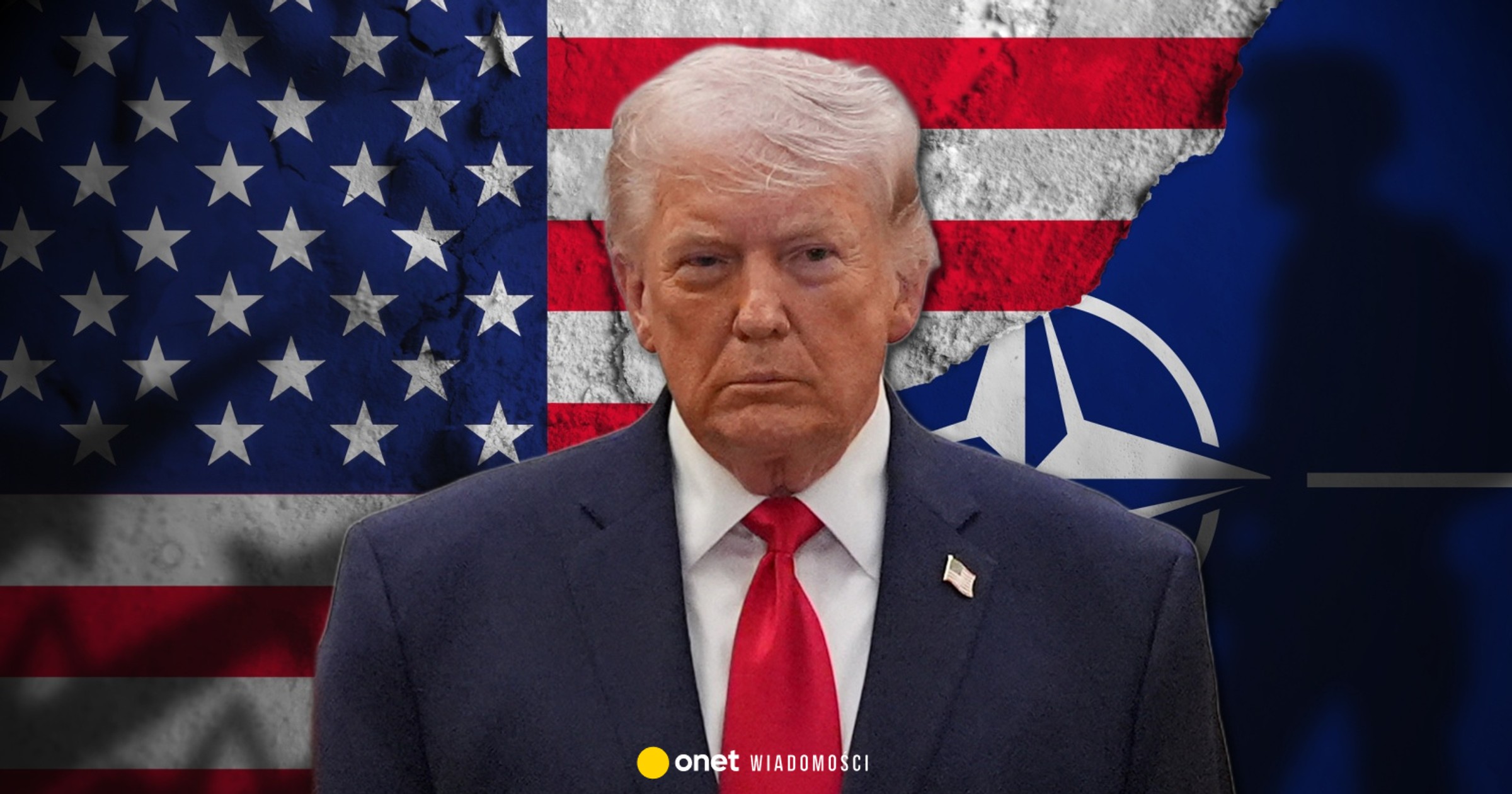
Recently, Donald Trump has significantly intensified his threats against NATO. His anger at U.S. allies grew especially after they refused to join the U.S. war against Iran.
On Wednesday, the US president said he was “definitely” considering leaving the alliance. Although he did not elaborate on this threat in a televised speech that same evening, these were his harshest words yet, underscoring his distaste for the 77-year-old alliance.
– I will talk about my reluctance towards NATO – he said before the speech. He later told POLITICO: “I'm disappointed in them… if I ever needed them, they wouldn't be there.”
So far, Trump has not taken any steps to leave the alliance — which, under U.S. law, is not possible without congressional approval. However, Trump's threats against the alliance, the use of the word “they” instead of “we” in reference to NATO, and previous suggestions of annexing Greenland belonging to ally Denmark indicate that the US no longer sees itself as an integral part of the alliance of which it was the founder.
But what could the United States do in practice if it wanted to make the president's threats real?
POLITICO spoke to nine experts, lawyers and NATO officials. They said what options Trump has, how realistic they are and how harmful they would be to the alliance.
Increasing threats, criticism and hostile rhetoric towards NATO would be a continuation of what Trump is currently doing.
The US president has repeatedly questioned NATO's collective defense clause in Article 5 and raised doubts about whether he would really send US troops to defend allies. Reiterating this week that the alliance is a “paper tiger,” he added that Russian President Vladimir Putin “knows it too.”
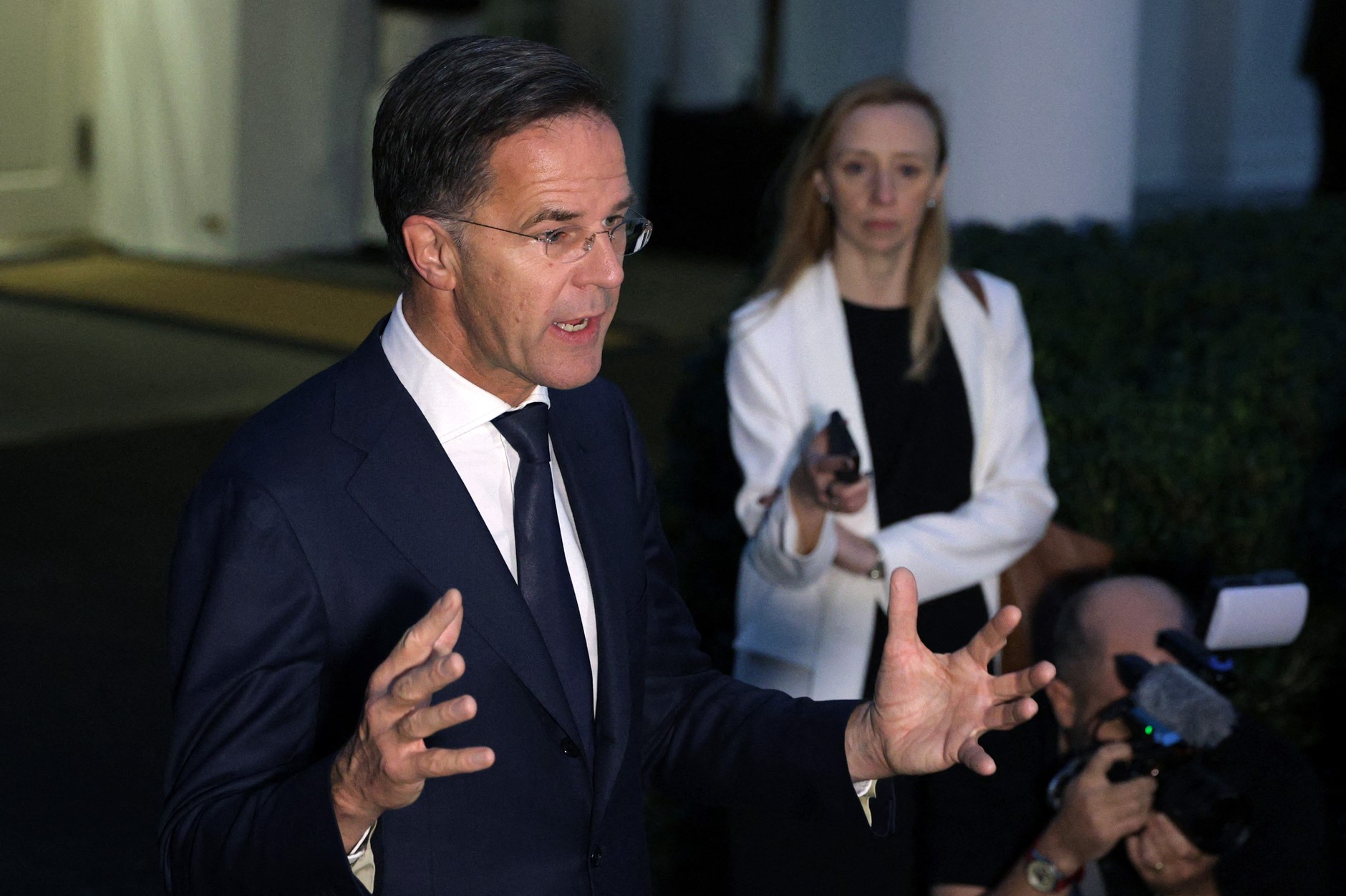
Mark Rutte and Donald Trump, Davos, January 23, 2026.MANDEL NGAN / POOL / AFP
European leaders have highlighted the risks associated with this rhetoric.
— Alliances like NATO are valuable because of the trust behind them, said French President Emmanuel Macron. — If you raise doubts about your commitment every day, you are depriving [NATO] his essence.
Gerlinde Niehus, an independent security expert and former long-time NATO official, said that every time a U.S. president questions the alliance's ability to operate, “seriously damages the credibility of NATO's defensive and deterrent posture.” — Deterrence also works psychologically, it affects perception. If your opponent considers you a paper tiger, that's an open invitation for Vladimir Putin and to some extent Xi Jinping to test the alliance, she said.
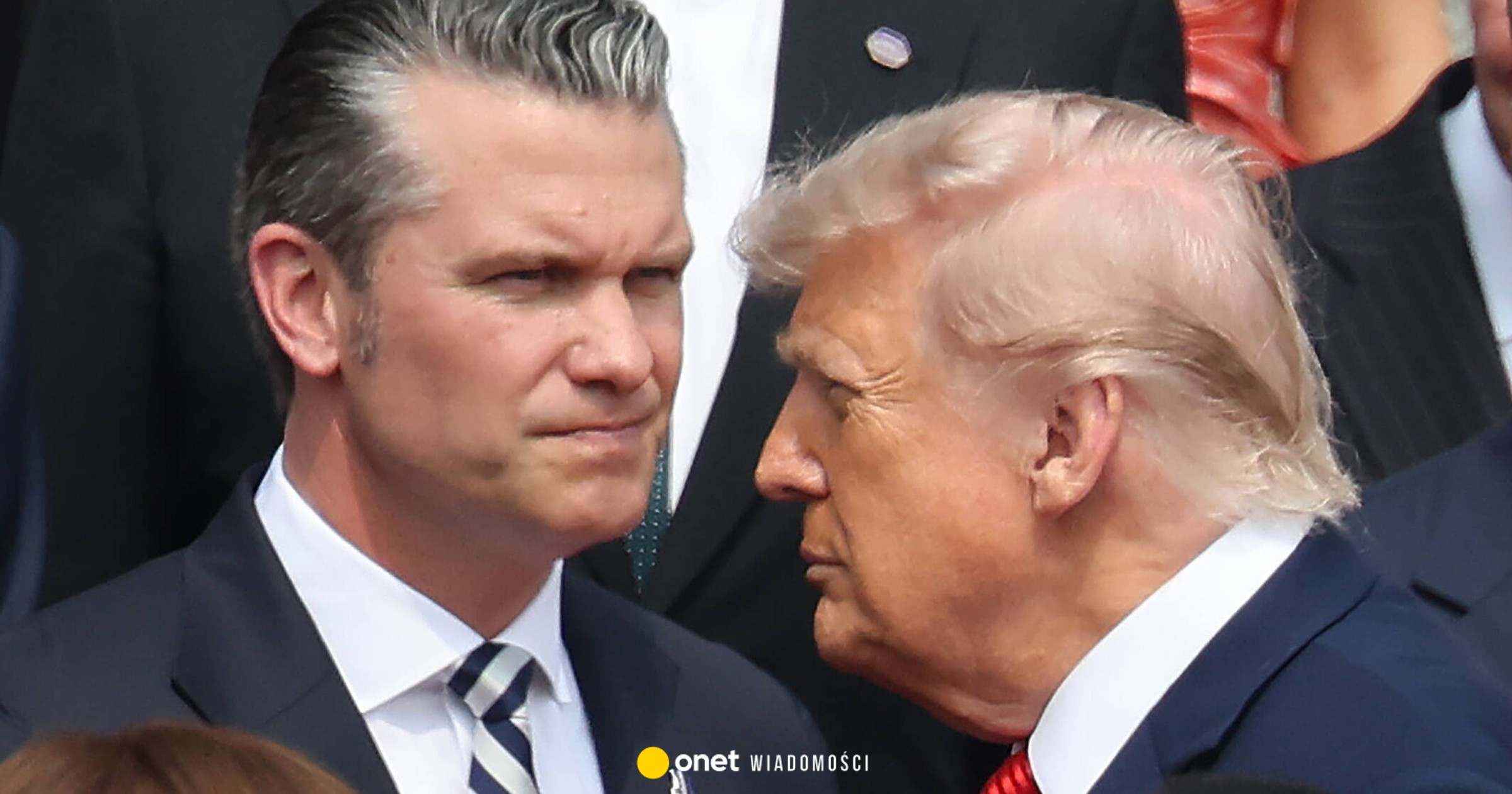
There is a belief in the Pentagon that Trump's threats are another manifestation of the attitude of the president, who has long been skeptical of NATO.
Probability: 5/5
Damage scale: 2/5
Scenario 2: Sabotage
Trump can also make life difficult for NATO allies without engaging in open confrontation.
In a sense, this is already happening. The United States has taken advantage of the fact that all policy documents in NATO working committees are approved unanimously to block reports on softer issues such as climate change and human security. Sometimes they do it together with other allies, two NATO diplomats said. Work on the latter topic has practically been suspended, said one diplomat.
— The United States still has a solid team, participates in committees, conducts negotiations, he added. He noted, however, that Washington, if it wanted to, could do more damage by stalling work in more key committeessuch as those regarding Ukraine and Russia.
The article continues below the video
The United States could also refuse to pay contributions to the common NATO budget, covering such expenses as operational costs (currently it pays approximately EUR 800,000, PLN 3.4 million, or 15 percent of the total). Although – as Niehus noted – it would be “destructive”, it would not be the “end of the world” for other allies who could fill this gap in the NATO budget.
Some members of the Trump administration are reportedly considering implementing a “pay-for-play” model for NATO, which would prevent allies that are not meeting their defense spending targets from having a say on joint missions and triggering Article 5. While there is no mechanism to enforce this strategy, Trump, through political pressure, could implement it.
— We do not comment on the details of talks between allies. Committee discussions are a key part of NATO's daily work in which all allies regularly engage, one NATO official said.
Probability: 3/5
Damage scale: 3/5
Scenario 3: Withdrawal of American troops
Washington could also decide to withdraw its troops from Europe.
The United States currently has 67.5 thousand. up to 85 thousand soldiers on the continent, deployed in at least 31 permanent bases and 19 military installations. Trump has limited room for maneuver – under the 2025 law, he must maintain 76,000. troops in Europe unless their withdrawal would take less than 45 days or congressional approval was granted.
If Trump withdrew approximately 9,000 troops from Europe, this would be detrimental to the alliance, but not disastrous said Ed Arnold, a senior defense expert at the Royal United Services Institute think tank and a former NATO official. European allies could replace these troops or better equip those that remain, for example with long-range missiles.
However, according to Arnold, this is unlikely – Trump is interested in keeping troops and military assets in Europe so that he can deploy them quickly in the event of conflicts such as the war in Iran.
— If they intend to expand the war in the Middle East, their presence [amerykańskich żołnierzy w Europie] is actually useful because they can then move between theaters of war. So this is where the president's political desires meet the actual operational requirements of the Pentagon, Arnold said.
“If you take your troops and specialists away from where they are needed, you will actually only harm your own operations,” he added.
Probability: 2/5
Damage scale: 3/5
Scenario 4: A smooth exit
Trump could also bring the alliance to its knees without formally leaving it.
In a less extreme scenario, the United States could withdraw from NATO's four-year military planning cycle, which determines what equipment and how many troops each member must commit to the alliance in the event of an invasion, based on three region-specific defense plans.
Technically, it wouldn't affect U.S. military obligations, Arnold noted. In practice, however, it would freeze them at the level set in the last cycle, which ended last year. This would leave Europeans scrambling to find ways to fill the gaps – including in areas such as air defense, intelligence and air refueling.
The United States could also boycott NATO meetings or withdraw its delegation. According to Arnold, this would be “very harmful” because it would effectively paralyze the work of the alliance, given that it is based on unanimous decisions.
Mark Rutte, Washington, October 22, 2025Alex Wong / Getty Images North America / AFP
If he wanted to act more aggressively, Trump could also turn to history books. In 1966, French President Charles de Gaulle left NATO's Integrated Command, as Greece did briefly in 1974.
According to Arnold, this would effectively ruin the alliance. Given Washington's central role in the alliance, this would likely mean withdrawing all American troops assigned to NATO and forcing the resignation of the alliance's top commander, American General Alexus Grynkewich.
For now, European allies are not worried about these scenarios, according to two senior NATO diplomats. – If they stop doing certain things, [takie jak] ensuring NATO operational capabilities, we will be in serious trouble — said one of the alliance's high-ranking diplomats, adding that it is currently “not a matter of particular concern.”
Probability: 2/5
Damage scale: 4/5
Scenario 5: The hard way out
Formally leaving NATO presents difficult legal hurdles. To do so, Trump would need to win the support of two-thirds of the Senate – only then could he trigger Article 13 of the alliance's founding treaty. [o występieniu z niego]. This process takes a year.
However, the US president can also unilaterally terminate treaties — as it did in 2020 when it withdrew from the Open Skies Treaty. U.S. courts could take steps to block the move, although the judiciary is typically reluctant to intervene in the administration's foreign policy.
However, such a move would certainly bring lawsuits against Trump from Democrat-led states or US citizens doing business in Europe. Congress could join the initiative if majorities in either chamber change after November's midterm elections, said Scott Anderson, senior editor at Lawfare.
“I think the justices are less willing to side with him after a year of executive abuse,” said one U.S. defense official.
The White House did not respond to a request for comment from POLITICO.
The prospect of the US leaving NATO is being met with a stark warning from some allies.
“It's hard to imagine NATO without the United States,” said a third senior NATO diplomat. — So this should influence every decision Washington makes or doesn't make.
I’m Ashley Davis as an editor, I’m committed to upholding the highest standards of integrity and accuracy in every piece we publish. My work is driven by curiosity, a passion for truth, and a belief that journalism plays a crucial role in shaping public discourse. I strive to tell stories that not only inform but also inspire action and conversation.