The blockade of the Strait of Hormuz, a key passage for the transport of crude oil, causes a further increase in the prices of the raw material, as well as gasoline and diesel oil at gas stations. The war with Iran burdens the global economy and causes a price shock.
The world's attention is now focused on the “black gold” already stored in tankers – it has begun a global poker game involving the transportation of oil. We explain where the most important hot spots are and what the role of the so-called shadow fleet and where the chaos and uncertainty in the supply market comes from.
Flashpoint: Strait of Hormuz
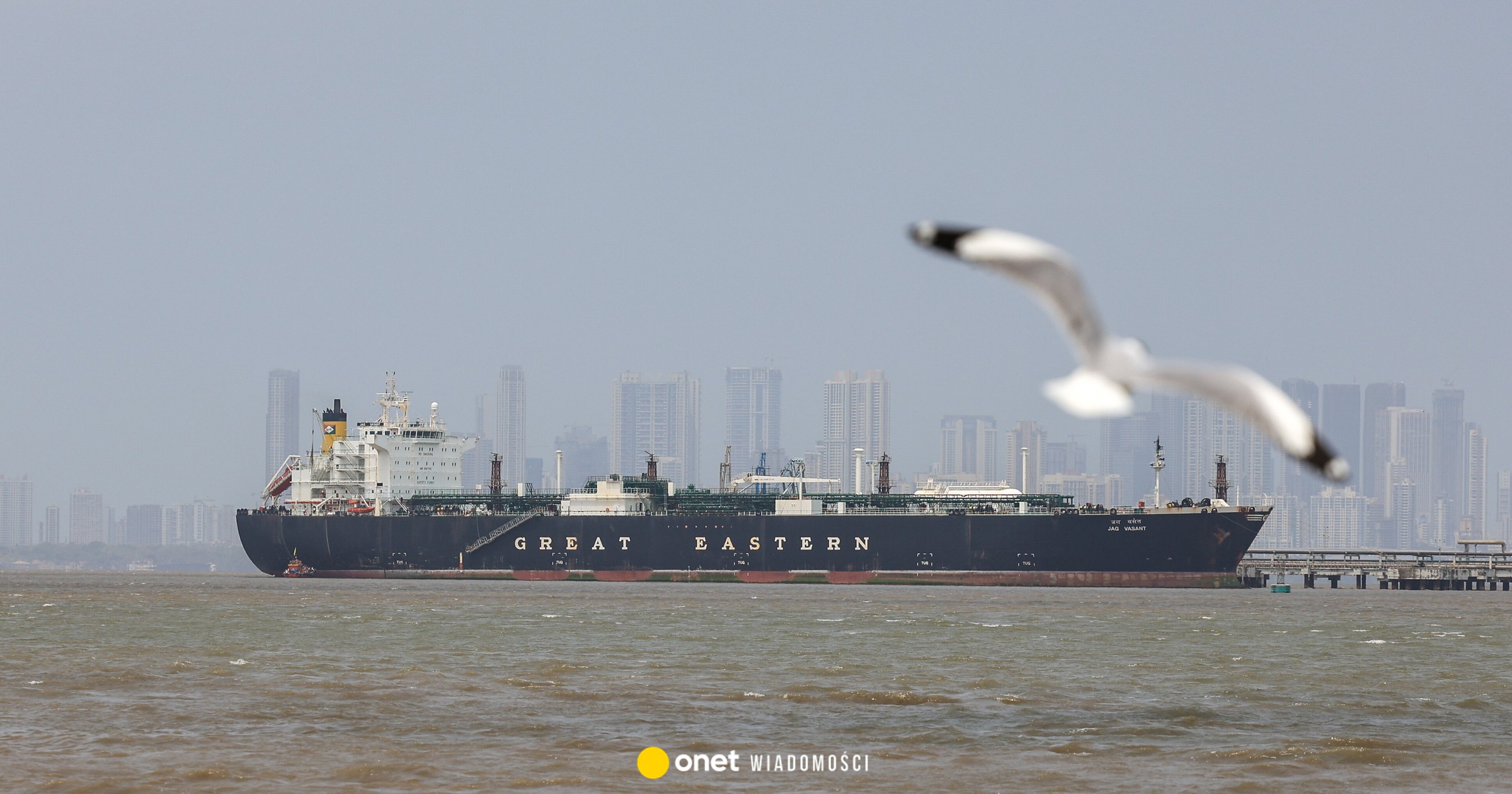
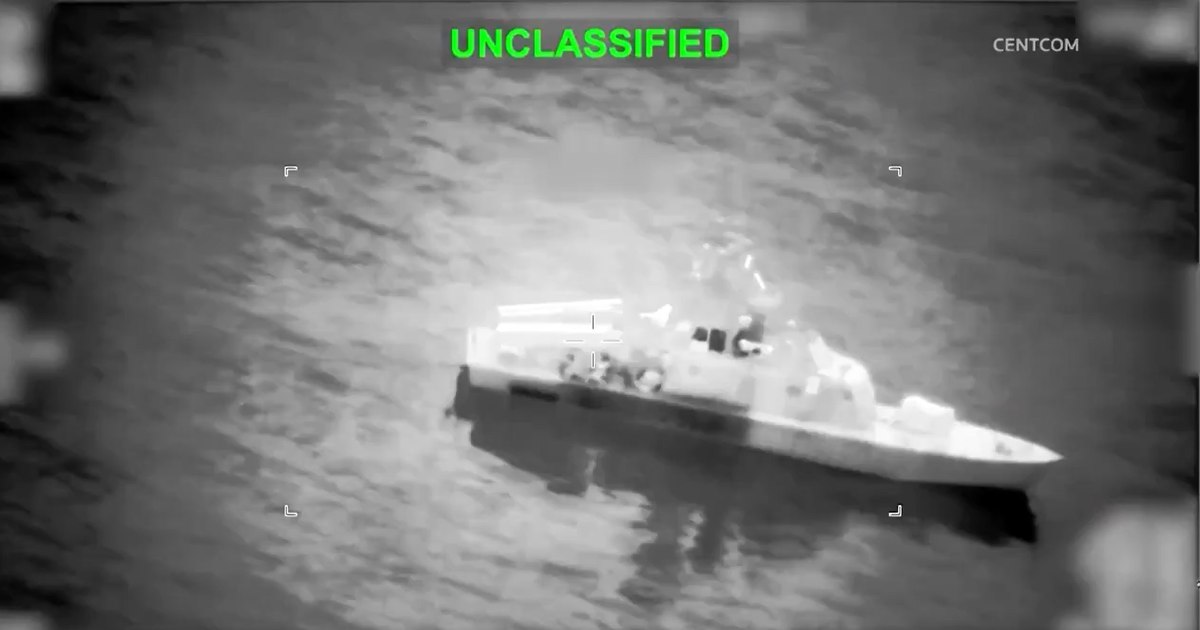
American-Israeli airstrikes against the ayatollah regime have been going on for over a month. About 70 tankers are stuck and still stuck in the Persian Gulf. Shipowners fear attacks by Iranian drones and missilesand at least 15 ships have already been hit. Recently, the Kuwaiti tanker “Al-Salmi” was on fire off the coast of Dubai.
The article continues below the video
Insurance premiums skyrocketed up to 10 percent ship value — that is, up to approximately USD 14 million. (approx. PLN 52 million). Additionally, US President Donald Trump recently withdrew from protecting the world's most important oil transport route.
This was supposed to be a safe alternative route. The Houthis have complicated everything
Due to the blockade of the Strait of Hormuz, Saudi Arabia has chosen an alternative route. Oil now flows from the Persian Gulf through a pipeline to the Yanbu al-Bahr terminal on the Red Sea. The capacity of the bus is approximately 5 million barrels per day. From there, oil is transported north through the Suez Canal or south through the Bab al-Mandab Strait, literally the “Gate of Tears.”
However, a new problem arises. This approximately 30-kilometer crossing south of the Arabian Peninsula is increasingly under threat due to the activities of the Iran-backed Yemeni Houthi militia.
The Americans are easing sanctions. “It's just buying time!”
USA recently eased sanctions on the transport of Russian and partly Iranian oiltransported so-called shadow fleets. These are huge amounts: there are approximately 125 million barrels of Russian oil at sea, and in the case of Iran, estimates are as high as 160 million barrels.
Barrels of oil. Illustrative photoKagai19927 / Shutterstock
Thanks to the suspension of sanctions these cargoes can officially be landed at ports again. Trump's goal was to “oil” world markets. However, oil prices remain high. — Easing sanctions on Russian and Iranian oil is just buying time! – warns Ben Cahill, an American energy expert, in an interview with “Bild”.
Tankers suddenly change course on the open sea
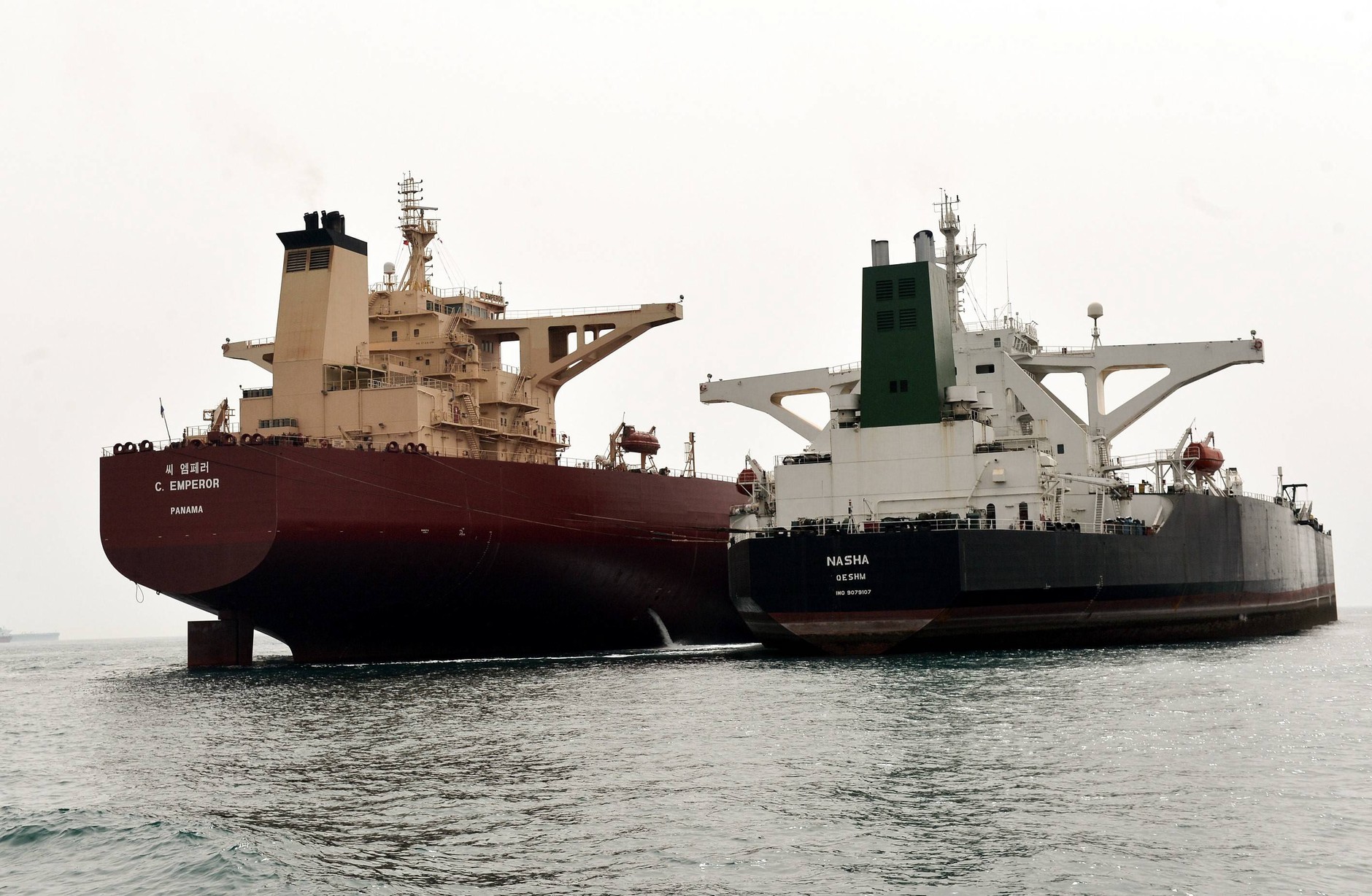
In an increasingly unpredictable, Wild West-like oil trading market, supplies are now frequently diverted. The tanker “Elka Delphi”, transporting diesel oil from New Orleans to Amsterdam, it suddenly changed course and sailed towards Durban, South Africa. In fact, it probably only stopped there on its way to new customers in Asia who were willing to pay more.
Tankers off the coast of Khark Island. Illustrative photoFatemeh Bahrami / ANADOLU AGENCY / PAP
The oil poker game also extends to another crisis zone: Cuba. After months of blockade, the USA allowed the Russian freighter “Anatoly Kolodkin” with approximately 730,000 barrels of oil moored on a Caribbean island. This is intended to alleviate the serious energy crisis on the island. Trump explained this decision on “humanitarian grounds”. One thing is certain: oil is once again at the center of a global crisis – the situation is as tense as it has been since the 1970s.
I’m Ashley Davis as an editor, I’m committed to upholding the highest standards of integrity and accuracy in every piece we publish. My work is driven by curiosity, a passion for truth, and a belief that journalism plays a crucial role in shaping public discourse. I strive to tell stories that not only inform but also inspire action and conversation.