“No air superiority means paralysis.” France is drawing lessons from the wars in Ukraine and the Middle East

Both conflicts influence upcoming decisions about what weapons Paris will develop, purchase and deploy. The French government is currently preparing to present an updated military planning law on April 8.
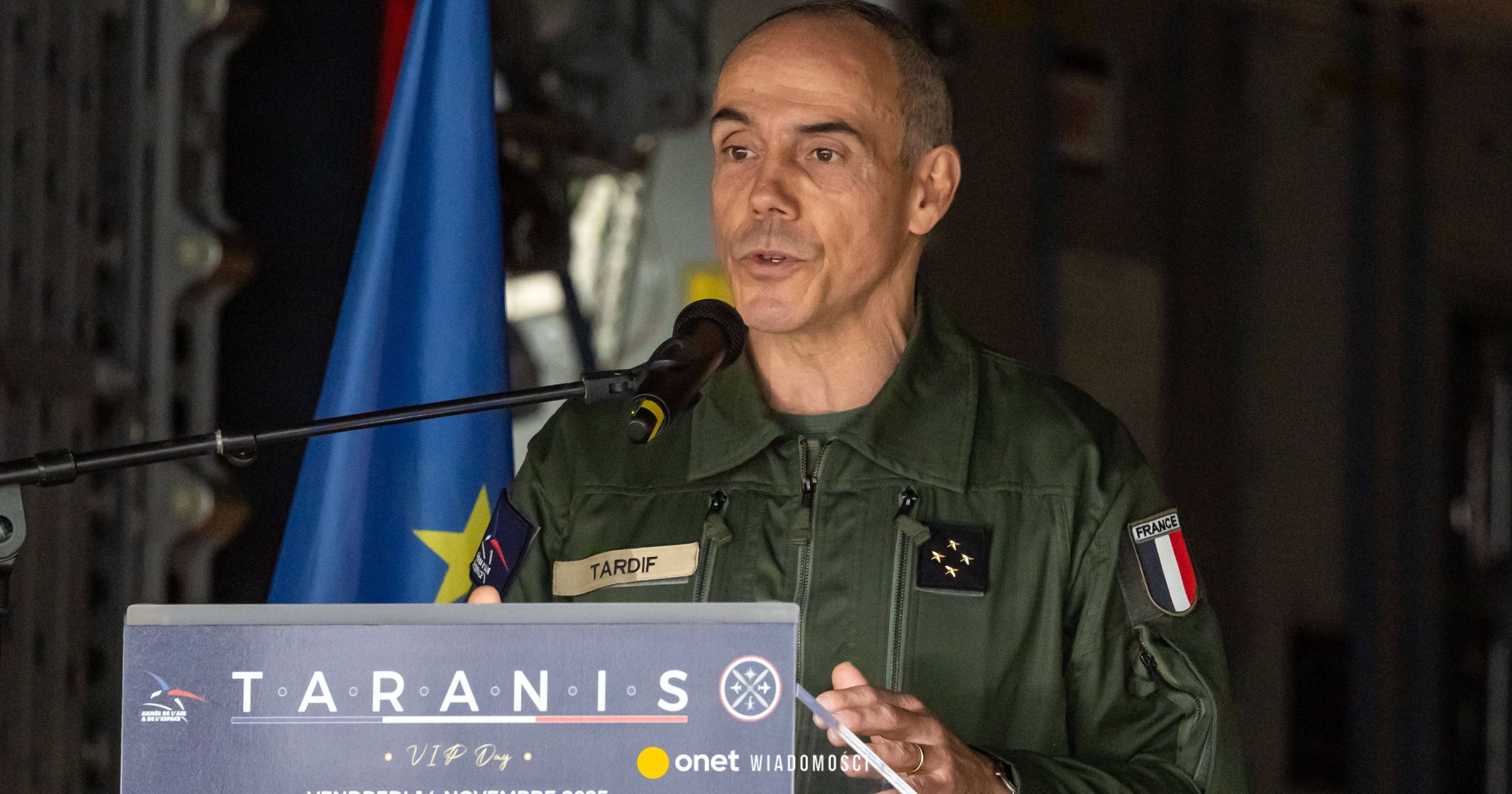
— We are using everything we can learn from Ukraine, especially in terms of developing capabilities, whether in the context of what is currently happening in the Middle East or what may happen tomorrow on the eastern flank, says Gen. Dominique Tardif, deputy head of the French Air Force, in an interview with POLITICO.
France isn't just watching from afar, it's learning in real time. French combat aircraft and air defense systems are currently deployed, among others, in the United Arab Emirates to fend off Iranian drone attacks. In the first days of the war, a French soldier stationed in Iraq was killed by just such an Iranian drone.
Intense hostilities in Ukraine and now also in the Middle East, revealed gaps in Western arsenals. NATO's armed forces are not yet fully equipped to cost-effectively counter the threat of low-cost drones – because the missiles are much more expensive than the unmanned aerial vehicles they intercept.
“We are working on a number of projects to try to reduce the cost of destroying Shahid drones,” Tardif explains, referring to the mass-produced Iranian drones used by both Russia in Ukraine and Tehran in the Persian Gulf. Cheaper options include firing drones from Fennec helicopters, which the French armed forces have already tested, and equipping Rafale fighters with cheaper laser-guided missiles.
A French soldier takes part in exercises in the United Arab Emirates, December 22, 2025.LUDOVIC MARIN / POOL / AFP / AFP
Paris is also actively working with French companies Alta Ares and Harmattan AI on cheaper interceptor drones, the general points out, confirming earlier POLITICO reports. Although, he adds, the Alta Ares program is not yet fully operational, it is “gaining momentum” and equipment is already on site in the Middle East.
Last week, Prime Minister Sebastien Lecornu said several French companies had the capacity to produce thousands of interceptor drones a month, and said a new factory would be opening soon. He also announced that by 2030, France will spend EUR 8.5 billion (PLN 36,460 million) on ammunition.
“We are moving from a world where small supplies were enough to a new one where they need to be increased,” emphasizes the French general. — This also means that there may be a need to multiply production lines. If we have one, maybe we should have two, and that requires investment, he adds.
Air superiority
These two wars also underscore the importance of ensuring air superiority – a core NATO military doctrine. The United States and Israel achieved this in the case of Iran by destroying much of its air force and weakening its air defenses, while Russia was unable to achieve the same in Ukraine.
Therefore, Tardif argues, Moscow is stuck in a war of attrition. This also made drones the dominant element of this war.
— Lack of air superiority means paralysis of ground-to-ground strike operations, he emphasizes. – Only 20 percent deep strikes conducted by Russians against Ukraine hit their targets. For comparison, 100 percent American and Israeli strikes on Iran hit their targets, he points out.
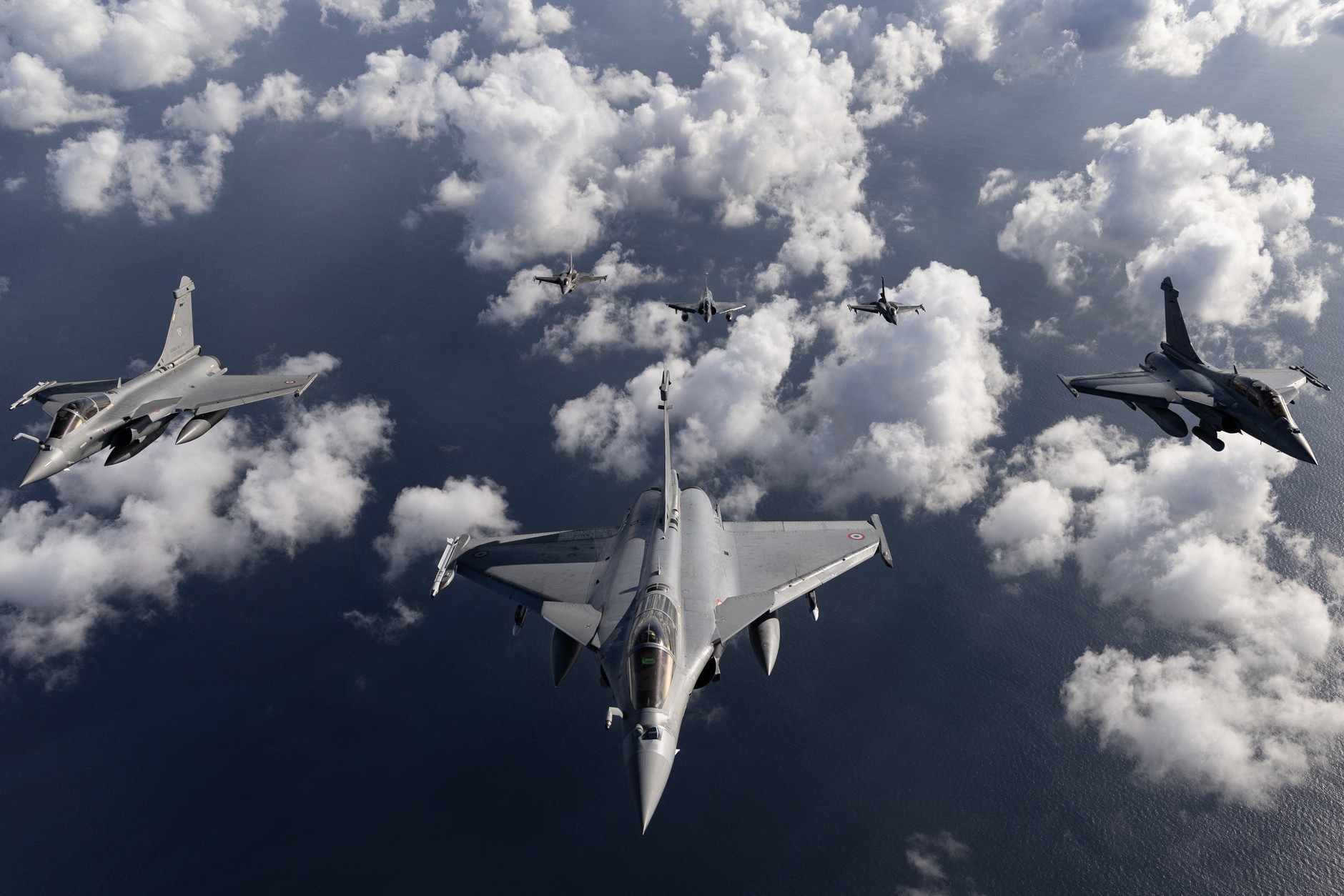
Fighter jets fly over the southwest coast of France, September 2025.ALAIN JOCARD/AFP / AFP
According to the French general, Israeli airstrikes that destroyed about 80 percent Iran's ground-based air defense detection systems have shown that air superiority is achievable. “We know how to do it if we have the appropriate resources,” Tardif emphasizes.
To this end, the French Air Force is considering using the missiles to engage enemy air defense systems, which means that they disable the enemy's ability to threaten French aircraft. Missile manufacturer MBDA is currently working on a program called Stratus that includes this capability.
— This is fundamental and essential to air superiority and in this way we will succeed in moving from a war of attrition to a war of decisiveness – explains the French general.
Preparing for a “shock” from Russia
Tardif's priority is to support the French Air Force in preparations for what France's chief of defense staff, Gen. Fabien Mandon, called a “shock” — a potential Russian attack on NATO.
— It is not impossible that Russia will test NATO in 2028-2029, says Tardif, echoing the warnings of other military and intelligence officers.
— If a problem arises on the eastern flank – bearing in mind that the Baltic countries have no fighter aviation and Romania's is somewhat limited – pilots from Western European countries, including France, will be on the front line from day one, he notes.
However, the Air Force will not give up technologically advanced and expensive weapons to avoid becoming entangled in a war of attrition.
— We need the power to saturate defenses and penetrate enemy lines despite radar and surface-to-air systems — but we also need mission-critical munitions. If you only have ammunition for a war of attrition, you end up in a situation similar to the one in Ukraine, that is, in a frozen conflict, notes the French general.
He adds that the French Air Force is also looking at advanced AI-equipped drones weighing between two and four tons, designed to fly alongside manned fighter jets. One of their goals is to detect and locate threats more accurately.
Tardif says the Air Force will issue a request for proposals through the defense procurement agency DGA to assess what the industry can offer. Advanced combat drones available on the market include Fury by Anduril and Valkyrie by Airbus-Kratos.
Russia, as emphasized by the deputy head of the Air Force, is also developing rapidly in terms of technology, constantly modernizing its Shahid drones, missiles and combat aviation sensors.