Since the start of the war launched by the United States and Israel against Iran in late February, Tehran has responded with attacks on merchant ships in the Strait of Hormuz, effectively blocking this vital maritime corridor.
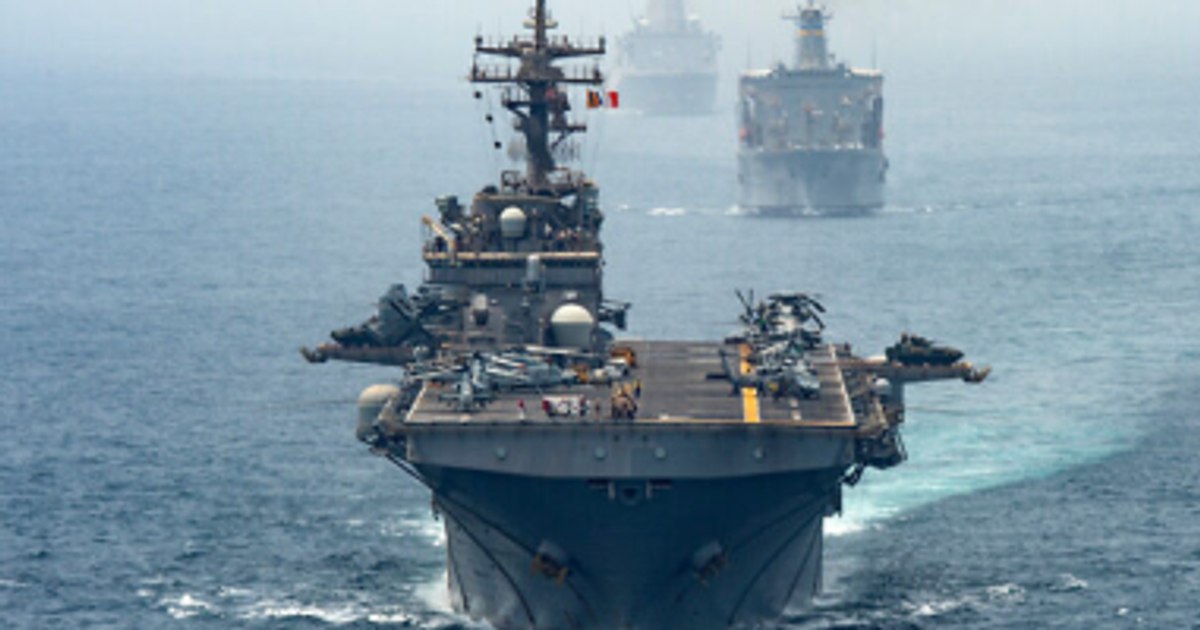
American ship in the Strait of Hormuz
The consequences were swift: a global fuel crisis, even though some ships still manage to transit the area. US President Donald Trump issued an ultimatum to Iran to fully reopen the route and asked for the support of NATO allies.
However, a direct military intervention to secure the strait is delayed. The explanations relate to both geography and the complexity of the military operations required, writes The Conversation.
Why is it so difficult to protect ships?
Geography plays a decisive role. Iran virtually controls the northern part of the Persian Gulf, including access to the straits and adjacent areas in the Gulf of Oman. This proximity allows it to use relatively cheap weapons such as drones to attack ships.
To make shipping safer, a two-step operation would be needed.
The first stage would involve neutralizing Iran's ability to strike ships. This could be achieved either by diplomatic or military pressure to stop the attacks, or by destroying coastal military infrastructure – radars, command centers and weapons depots.
The United States has air capabilities and intelligence that would allow it to strike many of these targets. However, identifying and destroying drones is much more difficult, as they can be hidden and launched from almost any location.
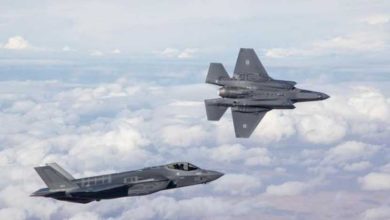
The second stage would involve restoring confidence in the safety of the route. This would require a constant military presence: surveillance planes, maritime patrols, fighter jets and warships to escort convoys.
The situation becomes even more complicated in the case of naval mines, the detection and neutralization of which would require lengthy operations.
Why is the US avoiding this option?
There are several reasons why Washington has not yet attempted to secure the strait militarily.
First, such an operation would divert critical military resources—including aircraft and equipment—from the main objectives of the campaign.
Second, security is not limited to water control. It would, in practice, require control of coastal areas, which could involve the deployment of ground troops or risky operations on Iranian soil.
The US is preparing options for ground intervention in Iran, sources tell the Washington Post
Third, escorting the ships would require a significant number of warships. Each convoy would need dedicated protection, and large groups would become easier targets in the absence of a reduction in the Iranian threat.
Fourth, there is the issue of risk. US warships have large crews, and exposing them to drone, missile or unmanned craft attacks raises cost-benefit questions.
The risk of naval mines
Landmines are a major threat – even in the absence of confirmation of their use. The mere fact that it might exist is enough to deter merchant ships.
Neutralizing mines, whether floating or submersible, would require complex interventions, including divers or remote-controlled underwater vehicles. The process could take weeks or months.
However, Iran is unlikely to resort to large-scale mining. Its economy depends on oil exports, particularly through terminals such as the one on Kharg Island. Blocking the route completely would also affect its own commercial interests.
Furthermore, modern mines, including acoustic ones, are difficult to calibrate to differentiate between own and foreign ships, making them risky for all parties involved.
The threat of drones
Iran has already used aerial and maritime drones to strike commercial ships. They are harder to detect and destroy than missiles because they can be launched from multiple locations and do not require sophisticated infrastructure.
Although some bases and warehouses can be targeted by bombing, completely eliminating this capability is difficult.
Washington's priorities
For now, the Trump administration's military goals remain focused on other strategic targets: neutralizing Iran's ballistic and nuclear capabilities, weakening its naval forces, and countering allied networks in the region.
These objectives require considerable military resources, and their diversion to securing the Strait of Hormuz could compromise the success of the main operations.
In this context, the decision not to intervene directly to open the route reflects a strategic prioritization rather than a lack of capacity.
However, the situation remains fluid, and developments in the region could force a change in approach in the coming period.