Instead of threatening “the end of democracy”, let's look at Poland and Italy

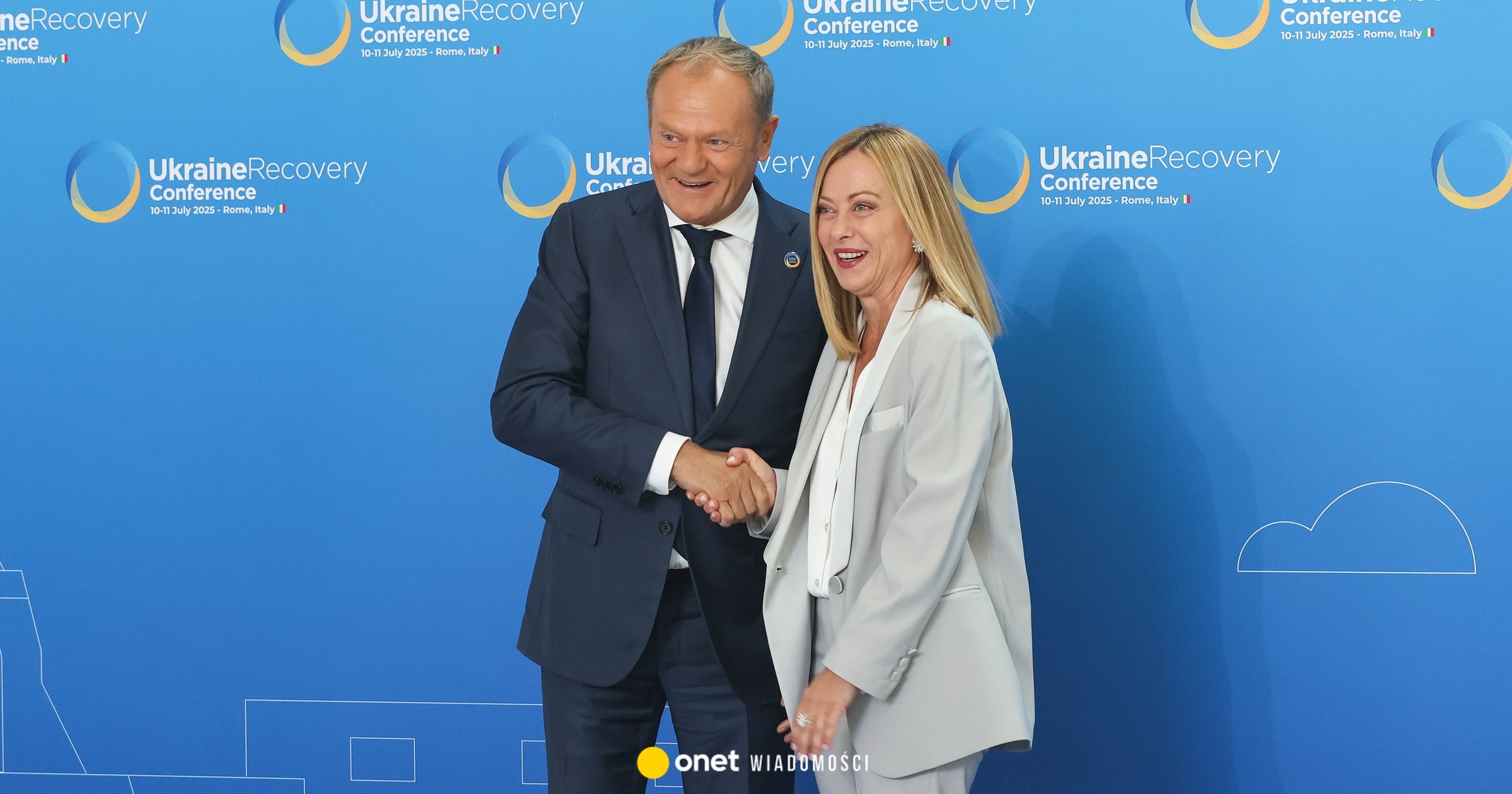
The psychology of narrative tells us: people cannot stand unfinished stories. We want consistency and meaning, and when necessary, we invent the ending ourselves. It is this longing for a simple, closed story that comes to light when considering the consequences of the growing popularity of the far right.
Regardless of whether we are talking about Marine Le Pen, Giorgia Meloni, Geert Wilders or Viktor Orban – in the case of many right-wing nationalist politicians pro-European commentators predict the imminent “end of Europe” or “end of democracy”. On the other hand, supporters of nationalists argue equally firmly that right-wing parties are the salvation and the European Union is the destruction.
Marine Le Pen and Viktor Orban during a meeting of the Patriots for Europe group. Mormant-sur-Vernisson, June 9, 2025Raphael Lafargue/ABACAPRESS.COM / PAP
Tales of doom or salvation are convenient, but they obscure complex political realities. Elections in France and Hungary – the two most important votes in Europe over the next 12 months – They will not be a clash of good and evilin which there will be the final triumph of one of the sides. Two earlier, comparable cases demonstrate this.
France would not be the first large founding EU country where right-wing nationalists came to power. Italy already blazed this trail in 2022, when Giorgia Meloni's party, the Italian Brothers, won the parliamentary elections. Hungary, in turn, would not be the first important country in Central and Eastern Europe where a nationalist, Eurosceptic party was removed from power after a long time – it had previously happened in Poland, where PiS left at the end of 2023, after eight years of rule.
Winning the election is just the beginning
Over the years of its rule, PiS has rebuilt the state: it increased control over the courts and the media, which weakened the separation of powers. After taking power, Prime Minister Donald Tusk's Civic Platform presented a “plan to repair the rule of law”, however, its implementation encounters serious difficulties. This is influenced by both President Karol Nawrocki, who is associated with PiS and vetoes changes, and the fact that reforms introduced over the years cannot be easily reversed.
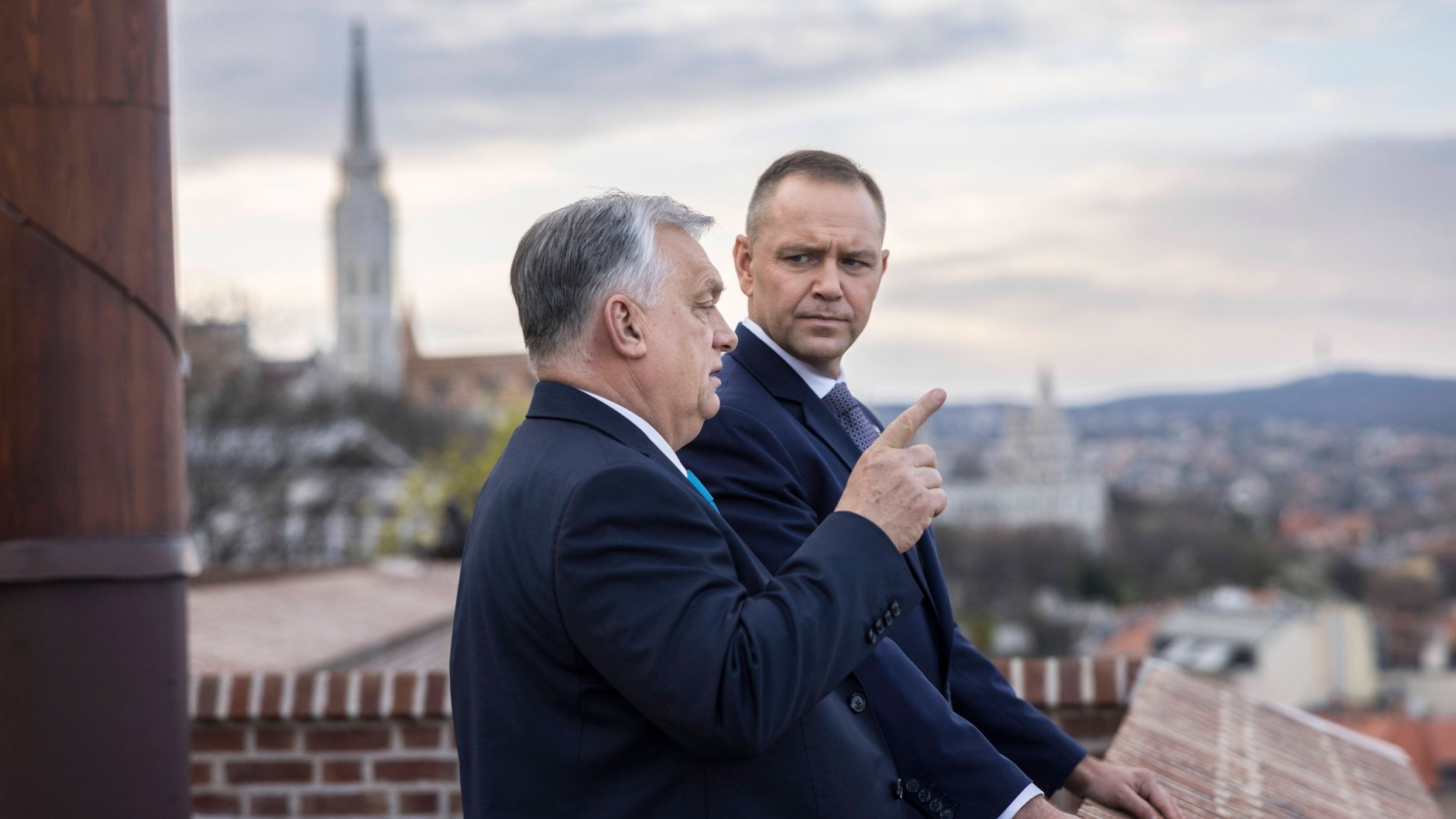
Viktor Orban and Karol Nawrocki in Budapest, March 23, 2026.AKOS KAISER/ HUNGARIAN PM'S GENERAL DEPARTMENT OF COMMUNICATION / PAP
French nationalists may go the way of Meloni
Removing Orban from power would not be the end point, but the beginning of a new stage in the fight for the future of Europe. The example of Italy shows that it would be similar in France if Le Pen or Bardella won. Before Giorgia Meloni's election, people loudly warned about the threat to democracy — both in Rome and Brussels. After her victory, however, Meloni clearly supported remaining in the EU and made constructive proposals, for example in migration policy.

Jordan Bardella and Marine Le Pen, leaders of the National Rally. Paris, September 2, 2025EPA/CHRISTOPHE PETIT TESSON / PAP
If the National Rally wins in France, a scenario similar to the Italian one is possible. Le Pen or Bardelli's policy towards Brussels may be as confrontational as Meloni, but probably also as pragmatic. Le Pen announces referenda – e.g. on justice or migration. However, the experience from the last Italian plebiscite may show French nationalists that such votes are a difficult to predict tool.
We should talk openly about the problems of the European Union
All this does not mean that democracy does not face threats. Freedom must always be protected against the temptations of the executive power — this applies to each party to the dispute. The essence of the problem remains a double democratic deficit: both on the side of nationalists and the EU itself, in which the Commission, the justice system and the European Parliament have only partial social legitimacy.
At the same time, the slogan of a “Europe of nations” proclaimed by right-wing nationalist parties is not a violation of a democratic taboo, but part of a legitimate debate on the balance of power in the EU. Even conservative politicians in France and Orban's rival, Peter Magyar, criticize Brussels and demand reforms – although not as radically as right-wing nationalists.
Looking at the upcoming elections and the future of democracy through the prism of apocalyptic or messianic visions is too simplistic. The reality is much more complicated. What should be defended is not the Union or the nation, but the principle of the separation of powerswhich limits executive power and will always remain the foundation of a free, democratic Europe. With an open ending.