Unpleasant surprise for Putin. Why did Gazprom actions collapsed after the praised agreement signed in China for a new gas pipeline


The news of the construction of a new Russian gas pipeline to China was announced by Gazprom from Beijing on Tuesday. However, analysts warn that the project is at this moment only an intention and that, in the end, Russia risks subsidizing Chinese consumers, writes The Moscow Times.
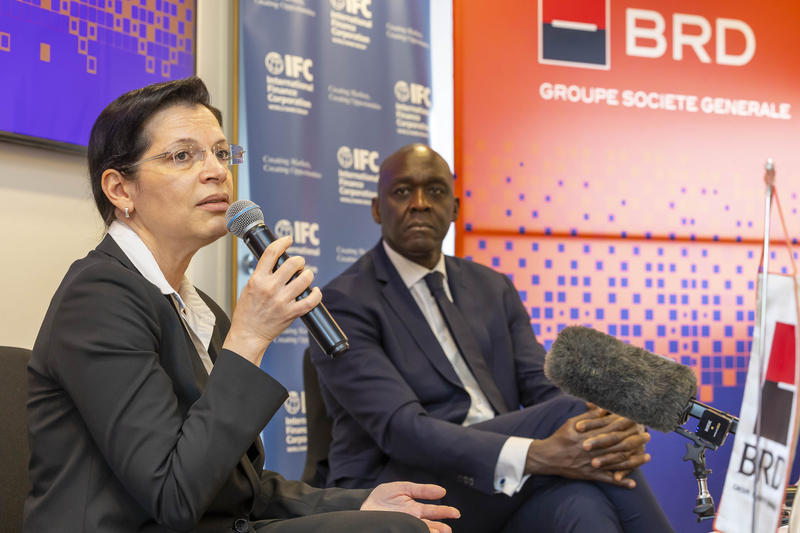
The actions of the Russian Energy Giant Gazprom decreased on Tuesday, after he announced that he had signed a “legal compulsory” memorandum with China to advance the construction of Power of Siberia 2, postponed for a long time.
Gazprom shares decreased by 3.1% at the Moscow Stock Exchange, at 130.7 rubles, wiping over 100 billion rubles ($ 1.2 billion) from the market value.
The decrease was the steepest of all the companies listed on the reference index of the stock exchange, exceeding more than twice the general decrease of the index of 1.4%.
The Power of Siberia 2 proposed pipeline, with an annual capacity of 50 billion cubic meters, has been on the Kremlin's wishes list for almost two decades. The project has acquired a new emergency, as Moscow is looking for a way to compensate for the collapse of Gazprom's profitable sales to Europe.
But investors quickly noted that the agreement signed in Beijing was just another memorandum of intent, not a mandatory supply contract.
And Sergei Kaufman, an analyst at the Investment Company Finam, warned that the project could affect the Gazprom finances, if completed.
A huge cost, supported by Russia
Specifically, the 2,600 -kilometer long pipeline would cost the company about 2 trillion rubles ($ 25 billion, according to Spot's foreign exchange market), and China has not committed to provide funding.
The director of Gazprom, Alexei Miller, told reporters in Beijing that the price will be set later.
Previous reports suggested that Beijing wanted to engage only for part of the capacity of the pipeline and at Russian internal rates, some highly low, which are around $ 120-130 per thousand cubic meters, according to the energy expert Alexei Gromov.
Moscow, in turn, wants to apply a tariff similar to the one practiced for the existing Power of Siberia 1 pipe, which is currently about $ 265-285 per thousand cubic meters.
Even this tariff would, however, be a reduction of about 30% compared to current prices in Europe.
Russia risks subsidizing Chinese consumers
Industrial analyst Mihail Krutihin estimated the cost of the project to about 2 trillion rubles ($ 24.8 billion) and warned that Russia is likely to subsidize Chinese consumers at their own expense.
“Given the enormous costs of the construction of the pipeline and the development of the field, Russia will actually continue to subsidize China's gas consumption to its own detriment,” he said.
For shareholders, the implications are worrying.
“Just a statement of intent”
Although Gazprom reported a net profit of 1.2 trillion rubles ($ 14.8 billion) last year and almost 1 trillion of rubles (12.4 billion dollars) in the first half of 2025, its main activity in natural gas remains deficient, with a deficit of 1.1 trillion (13.6 billion dollars) in 2024.
The company's cash reserves decreased from 2 trillion rubles at the beginning of 2022 to just over 537 billion rubles ($ 6.6 billion) by mid -2025.
Some analysts estimate that if the Power of Siberia 1 supply 1 and an additional route from the Far East will be extended, Gazprom could eventually deliver over 100 billion cubic meters of gas to China annually, adding up to $ 20 billion to annual revenues.
But this scenario, they say, stays away.
“For now, it is just a statement of intent,” said Igor Sokolov, an analyst at Alor Broker. “If the word” Memorandum “had been replaced with” contract “, the price of Gazprom could have increased by up to 20%,” he explained.