G7 divided by war with Iran: US tries to convince allies offended by Trump to offer support

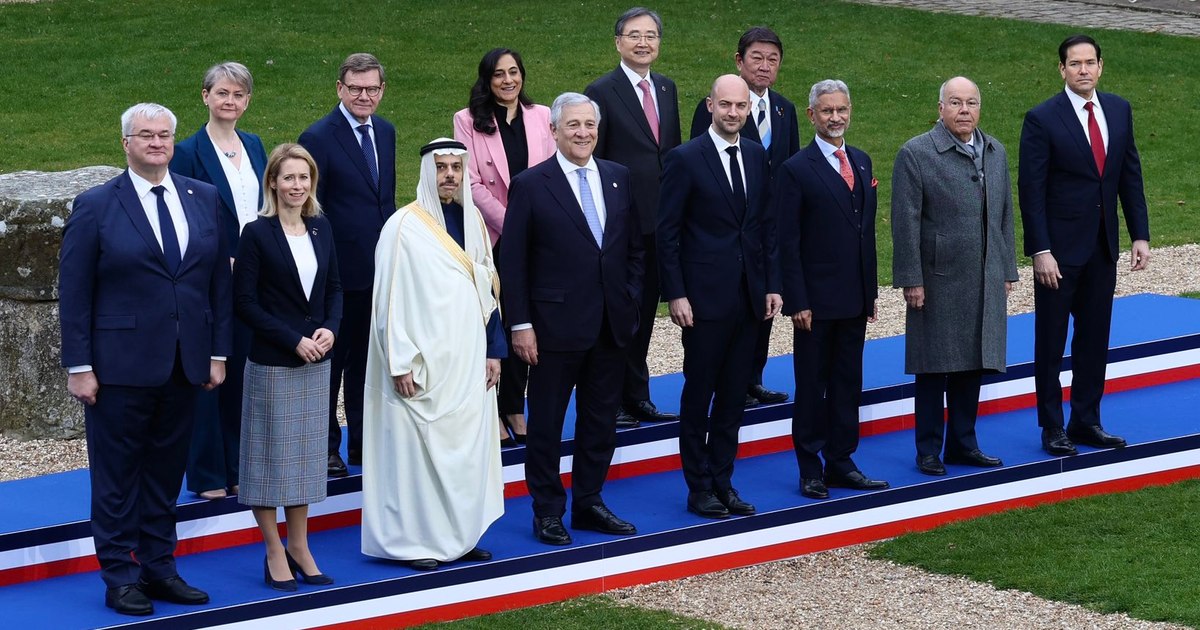
The foreign ministers of the G7 states met in France on Friday to discuss the Russia-Ukraine conflict, but major differences appeared on the agenda related to the war between the US and Israel against Iran.
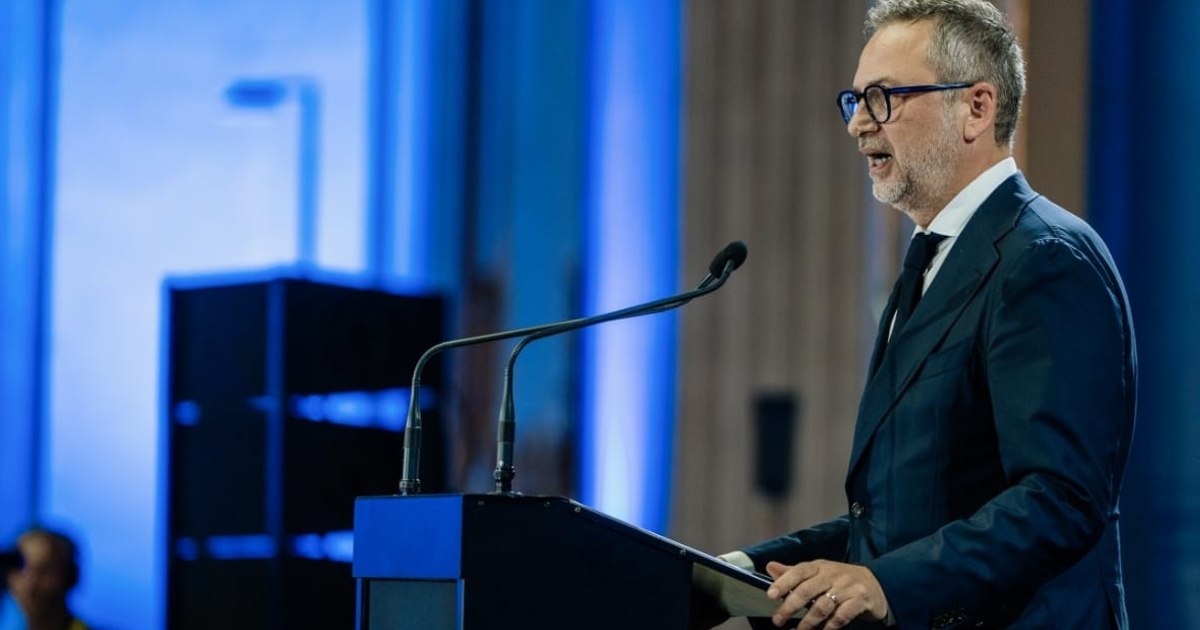
The foreign ministers of the G7 states met on Friday in FraFOTO X / Jean-Noël Barrot @jnbarrot
The tensions come after US President Donald Trump repeatedly criticized allies, accusing them of ignoring or rejecting requests for support in the military operation and countering Iran's retaliatory attacks, including blocking the Strait of Hormuz to much international shipping.
US Secretary of State Marco Rubio joined his G7 counterparts just 24 hours after Trump's latest wave of criticism of NATO. The meeting takes place in a tense context: the instability of the oil market persists, the war with Iran has entered its fourth week, and the prospects for negotiations to end the crisis remain uncertain, according to AP.
Most allies view the conflict with skepticism
Most of the US's closest allies view the conflict with Iran with skepticism, a position reflected in the meeting held in a historic 12th-century abbey in Vaux-de-Cernay, near Paris. At the same time, they insist on the need for a diplomatic solution.
The French minister of the armed forces, Catherine Vautrin, said that the war in the Middle East “it's not ours” and emphasized that France's position is strictly defensive.
For her part, the British Foreign Minister, Yvette Cooper, stated that Britain also supports the diplomatic path, while recognizing the differences with the US: “We have supported defensive actions, but we have taken a different approach to offensive actions in this conflict.”
Tensions within NATO
Marco Rubio was already struggling to convince allies of America's strategy on Iran, and Trump's harsh statements to NATO states — accused of not supporting the U.S. and Israel enough — make his mission even more difficult.
Of the G7 countries, all – except Japan – are members of NATO: Great Britain, Canada, France, Germany and Italy.
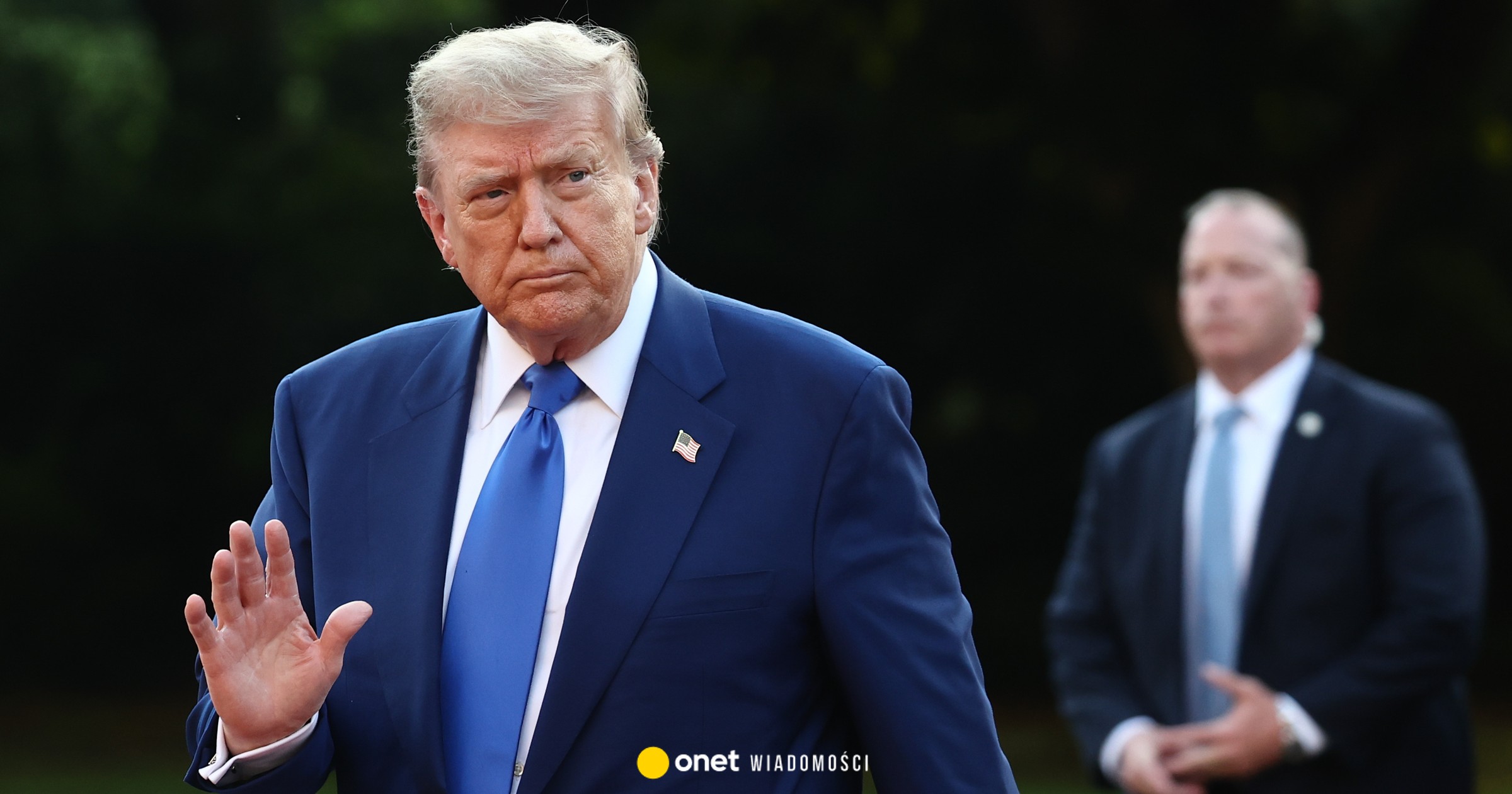
“We are very disappointed with NATO, because it has done absolutely nothing”Trump said, statements later echoed by Rubio.
“Frankly, I think countries around the world, even those that are critical of the situation, should be grateful that the United States has a president willing to confront such a threat.”Rubio said.
The Atlantic: Trump is beginning to understand that his intimidation has consequences. US allies are unwilling to help a superpower that has shown no loyalty to them
The US Secretary of State, who also had a brief discussion with Ukrainian Foreign Minister Andrii Sybiha, must also repair relations with European allies, affected by criticism and even threats from the Trump administration
Europeans are still unhappy with the idea of taking over Greenland from Denmark and the uncertainty of American support for Ukraine in the war with Russia. The conflict in the Middle East added a new point of tension.
Trump blames lack of support from allies
Donald Trump has complained that he has failed to win support for the Iran war and that NATO, along with most allies, has refused to participate in securing the Strait of Hormuz, where Iran's actions have disrupted oil shipments and sent energy prices soaring.
“We are there to protect NATO, to defend them from Russia. But they are not there to protect us”Trump said. Later, he added: “We never thought we needed them. It was more of a test.”
For his part, NATO Secretary General Mark Rutte reiterated that NATO considers it unacceptable for Iran to have nuclear weapons and that the alliance has long recognized the threat posed by Tehran's missile program. “What the United States is doing now is reducing those capabilities, both nuclear and ballistic”he said.
But Iran has long maintained that its nuclear program is for peaceful purposes. Its ambassador to the International Atomic Energy Agency, Reza Najafi, said the US and Israel's justification is “a big lie” and accused the two states of attacking “peaceful nuclear facilities under international supervision”.
France, the host of the G7, remains skeptical
France, which is hosting the G7 meeting near Versailles, has been particularly skeptical of the war. The Chief of Staff of the French Army, General Fabien Mandon, this week criticized the lack of information from the US regarding the start of military operations.
“They decided to intervene in the Near and Middle East without notifying us”he said, adding that the US is becoming “increasingly unpredictable and they don't even inform us anymore when they decide to engage in military operations”.
However, 35 countries participated in military talks organized by France regarding the reopening of the Strait of Hormuz “after the intensity of hostilities will decrease sufficiently”according to the French Ministry of Defense.
Marco Rubio said that as Iran threatens global shipping, states that uphold international law “should get involved and handle the situation”.
Similar concerns to those expressed by France are shared by other allies, who also fear a lessening of US commitment to Ukraine as the war with Iran approaches its fourth week.