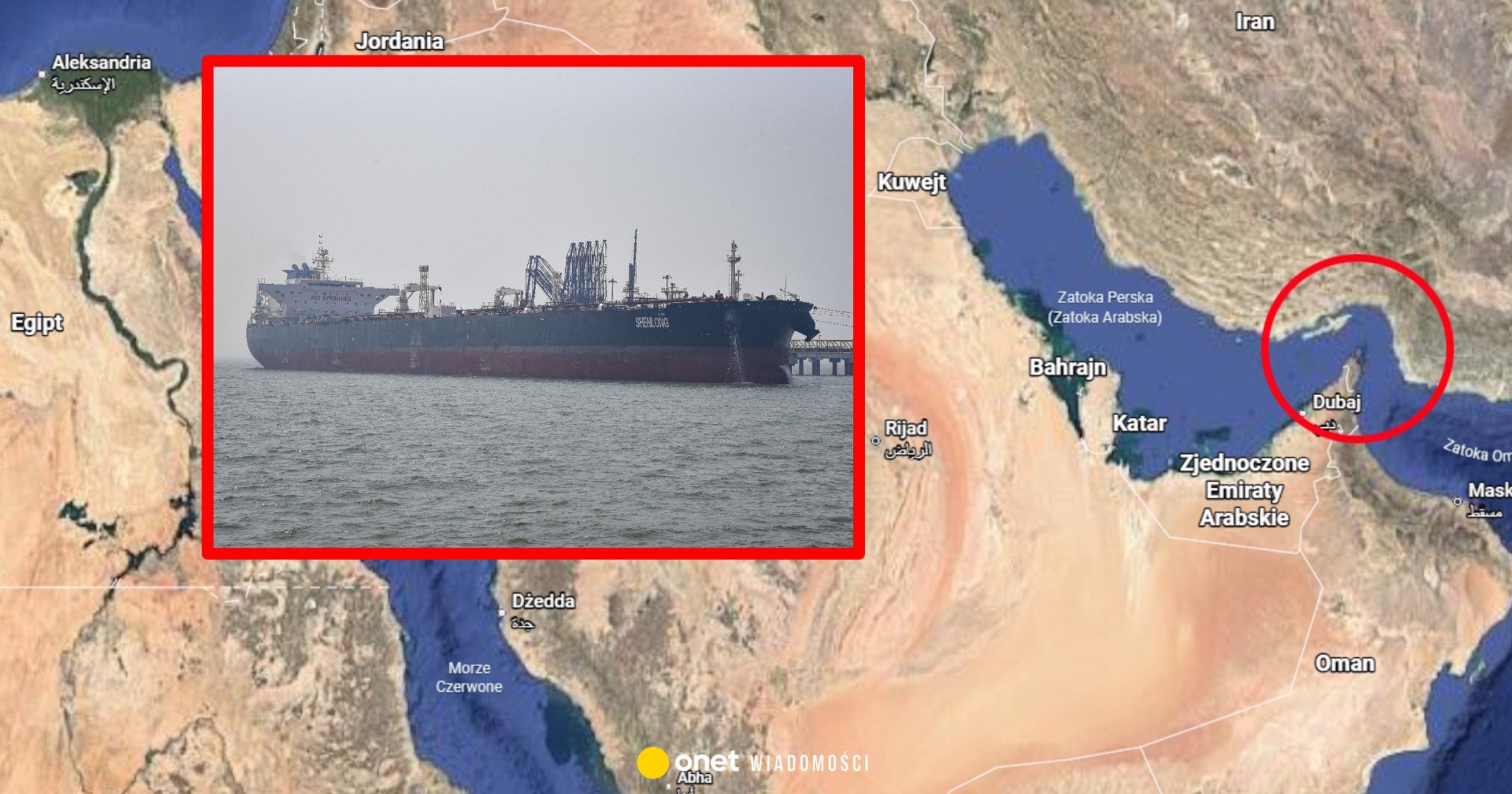
The principle is as simple as it is effective. “The so-called zombie ship still uses the identity of a ship that has already been scrapped – that is, the name, IMO number and other technical identifying features,” explains ship data analyst Arsenio Longo.
This is possible thanks to structural weakness of monitoring systems. They are based “on data sent by the ship and do not enable ongoing physical verification at sea,” says Longo.
Zombie ships are not a new phenomenon: actors from Russia, Venezuela and North Korea have previously used the identities of scrapped tankers to bypass sanctions.
This tactic has gained importance since April last year. in Venezuelan oil exports. It is part of the so-called shadow fleets — mainly uninsured tankers that use tricks such as disabled tracking devices, changes of ownership and transhipments at sea to conceal their identity and the origin of their cargo.
The article continues below the video
This is exactly what the Iranian regime is taking advantage of: in recent weeks, at least two tankers have passed through the Strait of Hormuz, which is essentially blocked. One vessel pretended to be the Jamal LNG tanker, even though the original ship was scrapped in India last year.
Another zombie ship exploited the identity of the Nabiin tanker, which was scrapped in Bangladesh back in 2021. In the case of the Jamal in particular, Longo sees clear signs of such a system: “Based on our data, it appears that a vessel with an inconspicuous identity passes through the corridor with cargo, possibly unloads it outside the usual port environment, and then returns empty towards the Persian Gulf.”
This creates a veritable shuttle system across the Strait of Hormuz: in the Persian Gulf, a zombie ship seizes cargo – presumably Iranian oil – in a ship-to-ship transfer.
With this cargo, the ship passes through the strait, which is blocked to many international ships. On the other side, the cargo is transferred to a regular ship off the coast of Oman. The zombie ship then returns to the Persian Gulf and starts the cycle all over again.
Iran partially unblocks the Strait of Hormuz. There is a list of countries
The regime in Tehran is opening a path for countries it considers “friendly”. Iran's foreign minister named five countries. Abbas Aragchi, Minister of Foreign Affairs of Iran, spoke about unblocking the Strait of Hormuz on state television. The list of friendly countries includes: China, Russia, India, Iraq and Pakistan. Iran's foreign minister emphasized that Tehran sees no reason for “enemies” to pass through the key route.
— From our point of view, the Strait of Hormuz is not completely closed. It is closed only to enemies. There is no reason to allow the passage of ships from our enemies and their allies, Aragchi added.
Iran's new regulations regarding the Strait of Hormuz
Meanwhile, the Iranian parliament is processing regulations on charging fees for the passage of ships through the Strait of Hormuz, PAP reports. “It is completely natural. Like other corridors, when goods pass through the country, customs duties are paid; the Strait of Hormuz is also a corridor. We ensure its security, and it is natural that ships and tankers should pay fees,” said the chairman of Iran's civil affairs commission.
In response to the Israeli-American airstrikes on Iran that began on February 28, Tehran blocked the Strait of Hormuz, through which approximately 20 percent of the world's exports are normally transported. world volume of crude oil, which contributed to the increase in prices of energy raw materials on world markets.
I’m Ashley Davis as an editor, I’m committed to upholding the highest standards of integrity and accuracy in every piece we publish. My work is driven by curiosity, a passion for truth, and a belief that journalism plays a crucial role in shaping public discourse. I strive to tell stories that not only inform but also inspire action and conversation.