The reason was allegedly “promising negotiations” between Tehran and US special envoys Steve Witkoff and Jared Kushner. According to Axios, the duo spoke with the speaker of the Iranian parliament, Mohammad Bagher Ghalibaf.
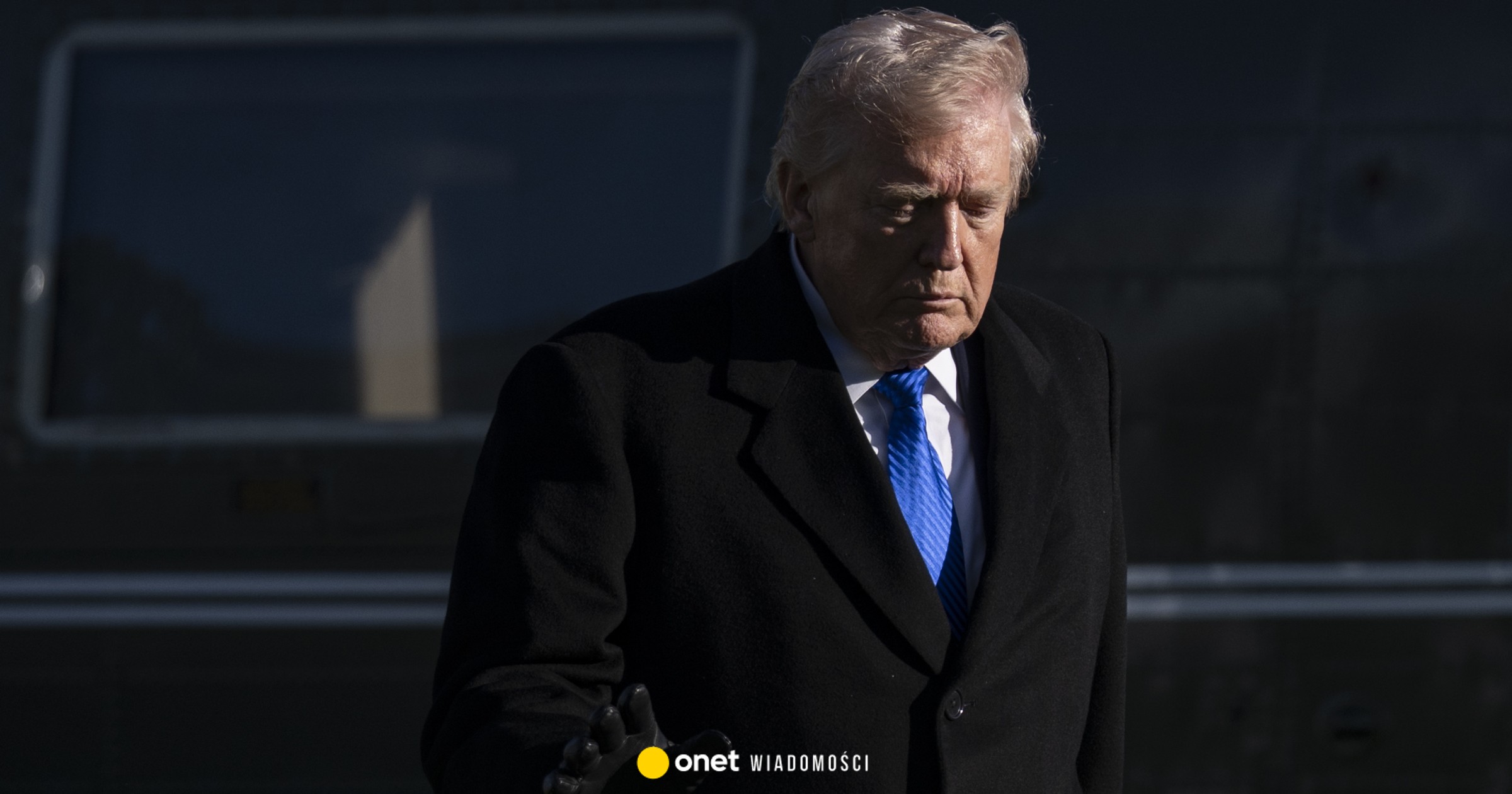
“The United States and Iran have had very good and fruitful talks on a complete resolution of our differences,” Trump said optimistically. The problem is that Ghalibaf claimed to have no idea about it. On X he denied any talks and accused the US of spreading fake news to control oil prices. The confusion has reached a crisis point.
In fact, this sharp turn in Trump's policy is being assessed as the clearest indication yet of that he may be looking for a way out of a war that is clearly not going according to plan.
Washington underestimated the ayatollahs: by blocking the transport of oil through the Strait of Hormuz, they caused a global energy crisis, and started a dangerous fire with drone and missile attacks on the Persian Gulf countries. There are no signs of the regime's impending collapse on the horizon.
Trump is under increasing pressure at home
At home, the US president is under increasing pressure due to economic failures. The war in Iran is extremely unpopular in the United States. According to the CBS survey, in the face of soaring prices at gas stations, falling stock markets and uncertain economic forecasts, 92 percent Americans demands “an end to the war as soon as possible.”
Donald Trump's popularity ratings have fallen to record lows, according to an average of major national polls. RealClearPolitics reports that support for him is only 41.6 percent.
The article continues below the video
American political scientist Scott Erb believes that Trump's statements are contradictory a manifestation of “strategic desperation”. The president believed it would be a quick and easy military operation. – He made a big mistake – and now he is looking for a way out of this situation so as not to look like a loser – he says. He thinks this fits with a statement that Trump recently reemphasized: “My whole life is all about making deals.”
Scenarios for ending the war
But what could a U.S. withdrawal from the chaos in the Middle East look like? One thing is certain: the mullahs' regime has been significantly weakened and Iran's military power has been reduced. Now at the center of the negotiations is a new agreement on Tehran's nuclear program and the issue of ensuring the security of the Strait of Hormuz, aimed at permanently securing oil exports.
However, in the current circumstances, an agreement would seem more like an attempt to limit losses.
A bulk carrier moored in the port of Muscat, Oman, March 23, 2026. Maritime traffic through the Strait of Hormuz has been mostly suspended.Elke Scholiers/Getty Images/Getty Images
American expert in the field of international security and Middle Eastern policy Jonathan Cristol claims that another scenario is also possible. — The way Trump talks makes it seem as if he wants to declare victory and just leave, he notes in an interview with the Bild daily.
According to him, this means that it is quite possible that the US president will simply declare the operation a success because, as he claims, after bombing 5,500 targets, Iran's military potential has been “sufficiently destroyed.”
I’m Ashley Davis as an editor, I’m committed to upholding the highest standards of integrity and accuracy in every piece we publish. My work is driven by curiosity, a passion for truth, and a belief that journalism plays a crucial role in shaping public discourse. I strive to tell stories that not only inform but also inspire action and conversation.