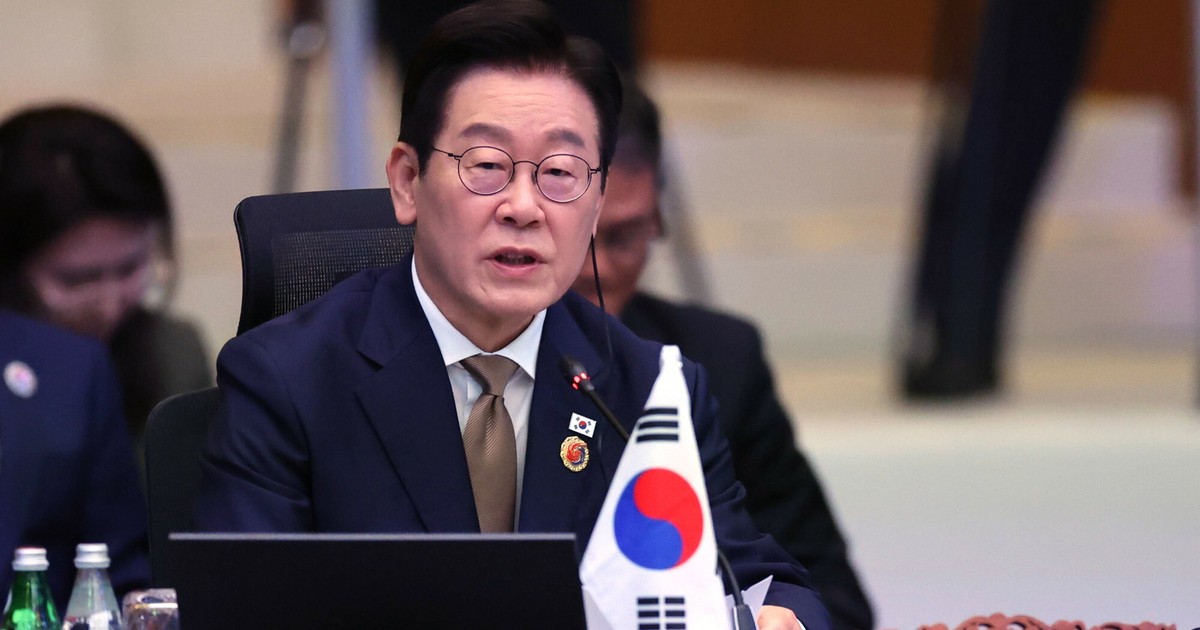
Energy Minister Kim Sung-whan told a cabinet meeting that restrictions on private sector vehicles are currently voluntary but could be reconsidered if the energy alert level increases.
The government is calling on citizens to implement 12 energy-saving practices, such as shorter showers, charging phones and electric vehicles during the day, and using washing machines and vacuum cleaners on weekends.
Korea is changing regulations
The government will ask the 50 largest oil-consuming companies to reduce their use and encourage staggered commuting hours and other energy-saving measures, Kim said.
Kim also added that Seoul will restart five nuclear reactors by May, ease restrictions on coal-fired power plants and develop renewable energy to reduce long-term dependence on LNG, and may extend the life of three coal-fired power plants that were scheduled to close this year.
Adjusting the energy mix is expected to save up to PLN 14,000. tons, i.e. up to 20 percent average daily LNG consumption in South Korea, which is 69 thousand. tons for energy needs.
South Korea also plans to develop a 25 trillion won supplementary budget as soon as possible, which could include cash vouchers for consumers and financial support for companies, amid growing talk of stimulus packages in other economies.
“The most important thing right now is not to save government finances, but to deploy funds quickly and effectively where they are needed most,” Lee said during a cabinet meeting, as the finance ministry said it would submit the budget to parliament by the end of March.
Read also: Poles stuck in the Strait of Hormuz. This is the biggest threat
Korea facing crisis
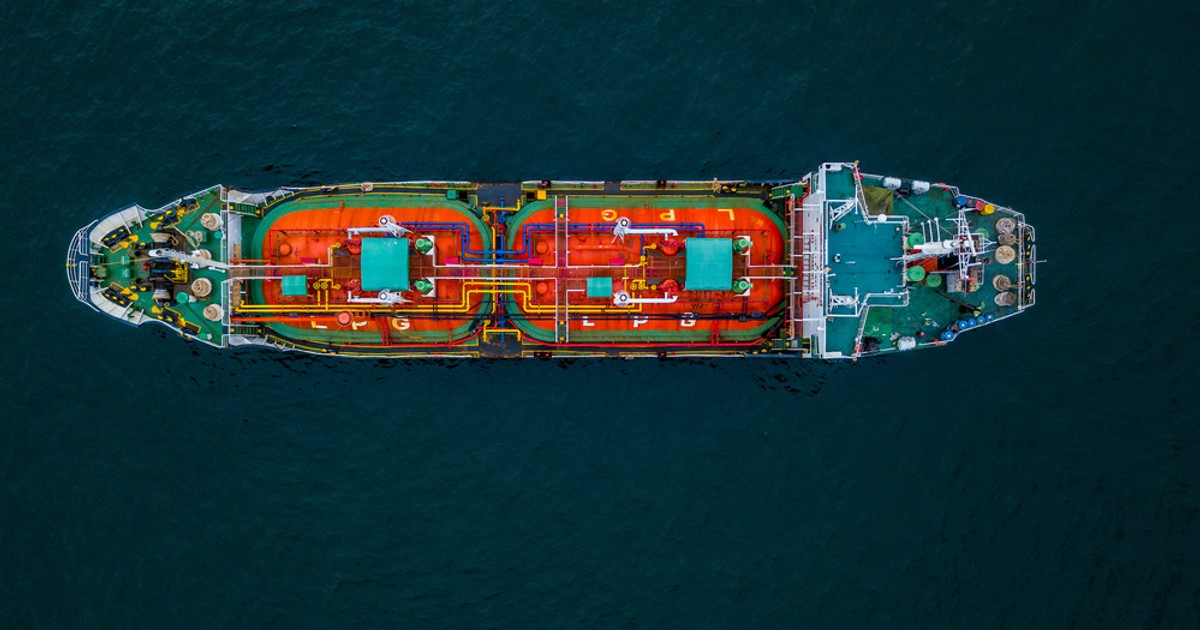
The ongoing U.S.-Israeli attacks on Iran and Iranian retaliatory actions have caused major disruptions in global energy markets, almost completely stopping tanker traffic through the Strait of Hormuz.
South Korea imports about 70 percent. crude oil through the Strait of Hormuz. The country faces a looming energy crisis despite having approximately 190 million barrels of oil reserves – 100 million held by the government and 90 million held by private companies.
While International Energy Agency (IEA) standards suggest reserves could last for 208 days, officials point out that this figure does not include uses such as petrochemical exports, making the actual buffer much shorter.