Will we be able to live more than 100 years? The technologies that could completely change the idea of aging

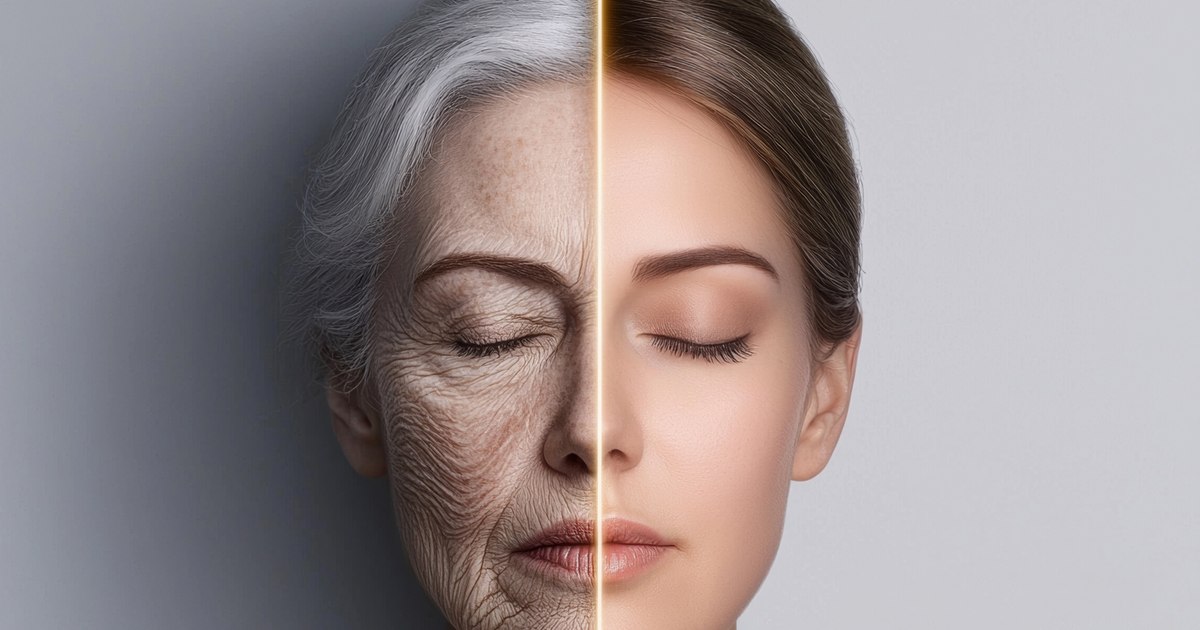
The idea that humans could live beyond 100 years is no longer just a movie script. Advances in medicine, artificial intelligence and biotechnology have brought this possibility ever closer to reality: aging can be slowed and, in certain experimental cases, influenced.
Photo source: Pixabay
The subject was analyzed in a video published on the YouTube channel “AI Uncovered”where the main research directions that could fundamentally change how we live are reviewed. From gene editing to lab-grown organs, these technologies promise not just longer lives, but healthier ones.
One of the most talked about innovations is genetic engineering. Technologies such as CRISPR-Cas9 enable DNA modification with unprecedented precision. Researchers are already exploring the possibility of correcting genetic mutations associated with certain serious diseases, such as cancer or Alzheimer's.
In 2023, a therapy based on this technology received approval from the US authorities to treat a hereditary disease, marking an important moment for modern medicine.
In parallel, nanotechnology is already used in some oncological treatments. Basically, very small particles carry the drugs directly to the tumors, so that the active substance acts precisely and the side effects are reduced. In the future, specialists consider the development of structures capable of repairing tissues or preventing blockage of arteries at a microscopic level.
From gene editing to lab-grown organs
Regenerative medicine is another emerging field that attempts to repair or replace damaged tissue using stem cells. Although fully functional organs are not yet a reality, researchers have been able to create simplified versions of organs in the lab – such as mini-kidneys – used to study diseases and test drugs. There are already cases where artificial tissues, such as skin grafts or trachea, have been used in patients. In the long term, these technologies could reduce the need for donors and change the way serious illnesses are treated.
Artificial intelligence also plays an increasingly important role. Machine learning-based systems can analyze huge volumes of medical data and identify the risks of getting a certain disease before symptoms appear. There are already apps that detect certain types of cancer with high accuracy, and such tools could become essential for prevention.
At the same time, wearables are transforming the way people monitor their health. From smartwatches that detect arrhythmias to sensors that track blood sugar levels in real time, these technologies provide constant access to essential information about the body. In the future, they could contribute to the early detection of serious diseases.
Biotechnology also brings innovative solutions, including the ability to “reprogram” cells to return them to a more youthful state. Laboratory experiments have shown that this is possible under certain conditions, although large-scale application still remains a future goal.
At the intersection of technology and neuroscience are emerging devices that connect the brain directly to the computer. Basically, they can take signals from the brain and turn them into commands – for example, to control a prosthesis. Such systems are already being tested in patients with paralysis or other neurological conditions. In the long term, researchers hope these technologies could help maintain cognitive function as we age.
Also, telemedicine has become an increasingly important tool, facilitating access to medical services and remote monitoring of patients. The development of this component has been accelerated by the pandemic and continues to expand.
However, these advances also raise important questions. Who will have access to these technologies? Will they be widely available or will they remain limited to certain categories? In addition, a significant increase in life expectancy could put pressure on global resources.
Despite these uncertainties, the direction is clear: science is getting closer to the moment when aging will no longer be seen as an inevitable process, but as one that can be influenced.
For now, living past 100 remains an exception. But if these technologies prove their potential, they could become much more common in the future.