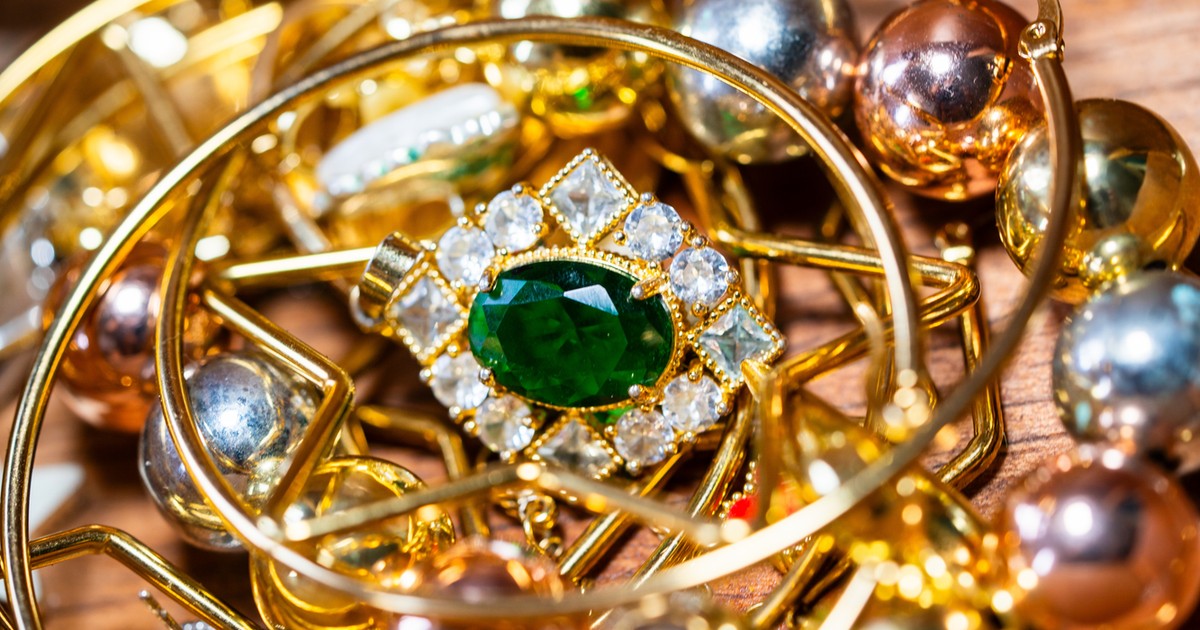
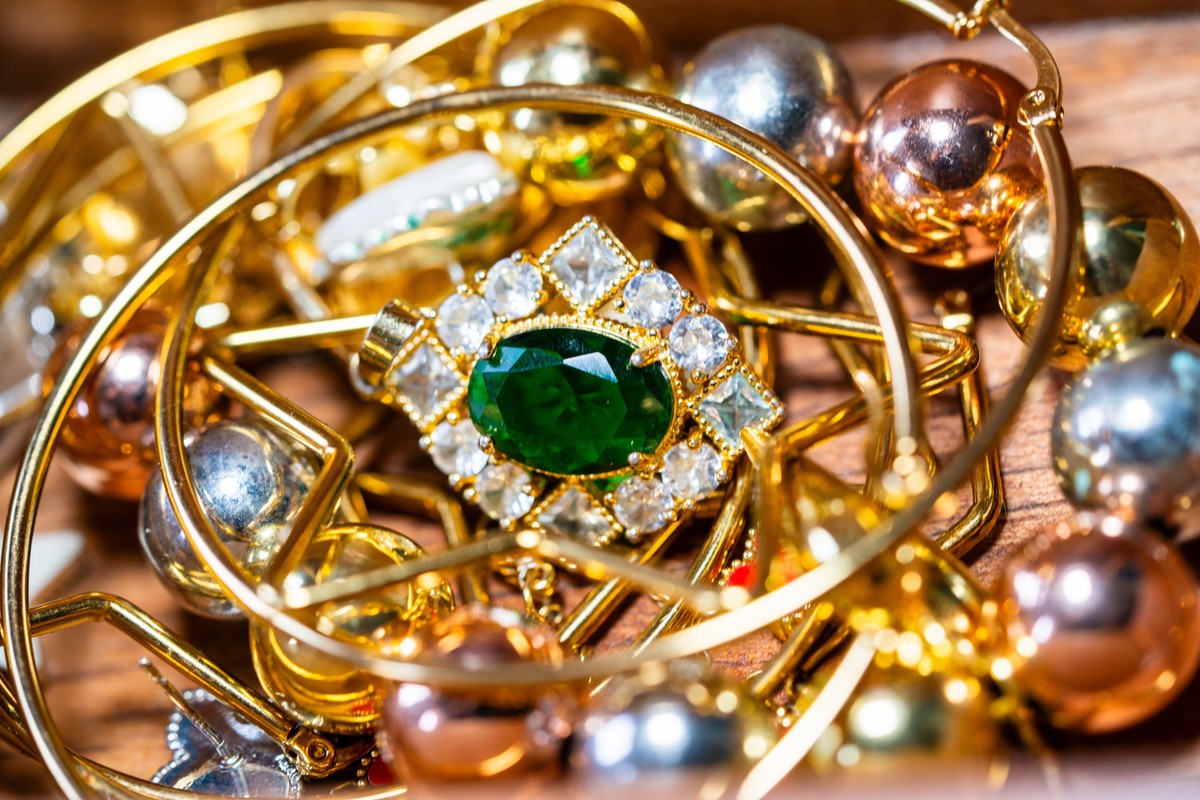
According to experts quoted by CNBC, there is a growing demand for jewelry around the world, especially jewelry with colored gemstones. This is influenced by high gold prices, but also by the growing interest in tangible assets. Investors are looking for opportunities to secure capital in the most profitable way possible. Therefore, the demand for rubies, emeralds and sapphires and jewelry decorated with them is growing. This method of investing allows for more than just investing money.
According to experts, expensive jewelry not only never goes out of fashion, but also benefits from resale. “Branded jewelry can act as a portable store of value,” emphasized Mario Ortelli, managing partner at Ortelli&Co. — an international consulting company for the luxury goods sector, quoted by CNBC.
See also: Gold is no longer an anchor. Stability is already a myth. Expert warns investors [ANALIZA]
Jewelry is a safe investment and prestige
Affluent consumers are increasingly buying jewelry as market volatility and geopolitical conditions prompt a shift to investing in tangible assets. Resale markets and high gold prices have reinforced jewelry's reputation as a long-term “store of value.”
CNBC gives the example of a record-breaking jewelry auction that took place in December last year. Necklace with Paraiba tourmaline and diamonds from Tiffany & Co. was sold at Christie's auction in New York for $4.2 million, ten times higher than the estimate. Later, a matching pair of earrings came on the market and also sold for ten times its high estimate. “I think it was a real indication of how far private buyers are willing to go to find these unique items,” Jacqueline DiSante, vice president and head of sales for Christie's New York jewelry department, told the website.
See also: Is jewelry a safe investment? We debunk popular myths
“Whenever there is macroeconomic volatility, the attractiveness of investing in hard assets increases,” said Thorne Perkin, president of the investment management firm. — Tangible assets tend to retain their value or even increase in value when inflation rises. Mario Ortelli from a consulting company for the luxury goods sector agreed with his opinion, saying that there is clearly a “defensive element” to this trend.
“During periods of inflation, geopolitical tensions or financial market volatility, tangible assets become more attractive,” he told CNBC. “Branded jewelry can act as a portable store of value,” he added.
Experts emphasize that, unlike fashion accessories related to seasonal trends, iconic jewelry collections are more durable and resistant to fashion changes, which is why they achieve high prices on the secondary market. That's part of their appeal. Jewelry also has emotional value and adds prestige, which definitely encourages investment.