The conflict in Iran has made construction materials substantially more expensive. Entrepreneur: “Adaptation becomes essential”

The conflict in Iran is strongly disrupting the markets, in addition to the accelerated increase in fuel prices, the prices of construction materials are also increasing. Some of these have already registered price increases of more than 15%, according to statements made by specialists in the field for “Adevărul”.
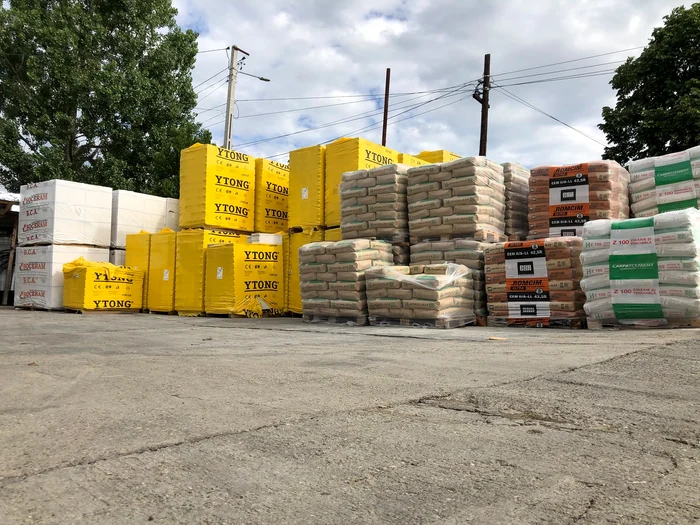
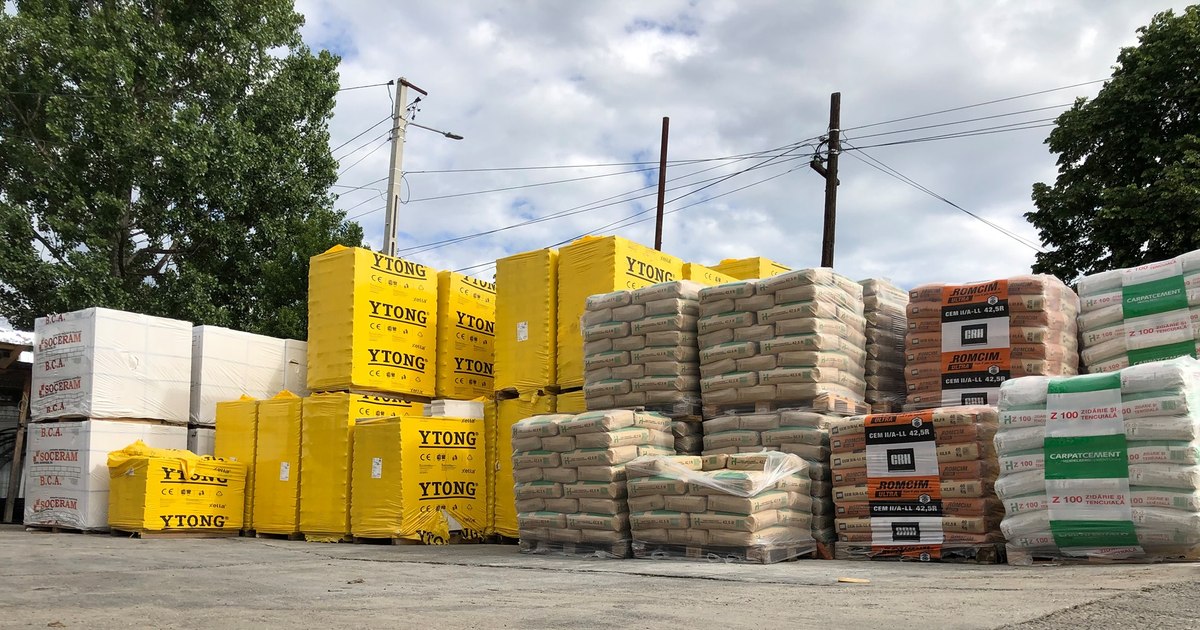
Building materials have become more expensive due to the conflict in Iran. Facebook photo
“The blocking of the Strait of Hormuz is no longer just global news, but a direct cost factor in construction. Our suppliersthey have already notified price increases of 4–6% in materials, amid rising energy and transport prices“, Alin Ivaniciuc, representative of a prominent company, told “Adevărul”.
According to him, in addition to these price increases already notified by the suppliers, the tariffs charged for labor will also increase, considering that fuel prices have also increased, and there is also the risk of the specula phenomenon.
“Labour costs are gradually increasing due to the increase in the price of fuel. At the same time, there is also the risk of speculating on the construction materials market and beyond. For developers, the reality is simple: either we adjust prices, or we reduce our profits proportionally. In other words, the increase in the price of fuel can have a significant impact on the cost of production, and this impact will certainly be felt by buyers as well.
The real estate market is entering a stage where margins are compressing and adaptation is essential. Those who understand this context will be able to make the right decisions at the right time.” Ivaniciuc declared for “Adevărul”.
Increases of 3 – 20% depending on the product
At times, the prices of construction materials increase between 5 and 15%, as Cosmin Răileanu, the founder of a company specialized in such materials, told “Adevărul”.
“In the last few days we observe accelerated increases, both in cement, which went up in price by 10%, and in steel (pipes, profiles, sheets) with increases of 3-5%, extruded polystyrene +5 euros/unit, finishing materials +5-7%. In some specific cases, certain products can even reach increases of 15-20%, but we do not want to unnecessarily increase the concern in the market”Răileanu declared for “Adevărul”.
According to him, the increases are also fueled by the price of oil, which influences the market from two directions, both through the chemical raw materials used in the production of many materials, and through transportation costs.
“The real problem is not only the increase in price, but the lack of predictability – prices change from one day to the next, and information reaches the market fragmented. If this trend continues, construction costs will become impossible to estimate, with a direct impact on investments and the final price for customers. This is an alarm signal”, said Cosmin Răileanu for “Adevărul”.
Material prices rise up the chain
Almost three weeks after the beginning of the conflict triggered on February 28, 2026, the effects of the Middle East are beginning to be clearly seen in the construction materials market in Romania. The conflict between the US, Israel and Iran has led to accelerated increases in energy, fuel and transport prices, and early market signals show that these costs are already being passed on to materials used on construction sites.
The carbon tax from 2026 will greatly increase construction costs in Romania
The basic signal comes from energy. In recent weeks, the price of oil has risen sharply and natural gas in Europe has seen significant increases, amid tensions around the Strait of Hormuz – one of the world's most important energy routes. In parallel, international analysts warn that the global supply of oil could decrease significantly, which puts direct pressure on all energy-dependent industries.
These increases are not accidental. Thermal insulation materials such as polystyrene are directly dependent on the petrochemical industry, and steel and metal products are strongly influenced by energy and transport costs. At the same time, cement-based products are affected by both energy and pressures already existing from European regulations.
For the Romanian market, the impact is extensive. It is not only imported products that are affected, but also those manufactured locally, as manufacturers use raw materials, additives and energy that become more expensive in the chain. In this context, more and more suppliers abandon stable price lists and switch to frequent, sometimes even weekly, updates.
What it means for those who build
In an unstable context, purchasing decisions become critical. It is increasingly important for beneficiaries, developers and builders to plan their purchases ahead of time for the next stages of the construction site.
If there is visibility into the next one to two months' work and storage capacity, one solution is to buy early to lock in current prices. If you don't have the storage space, an alternative is to order direct from the manufacturer, with scheduled delivery at the time of use.
“After almost three weeks of conflict, the first price increases are already visible in the market. We are no longer talking about estimates, but about concrete increases for metals, polystyrene, plasterboard or cement. In times like these, planning makes the difference. Those who know the next steps should secure their materials for one to two months in advance, either by stock or by orders with subsequent delivery direct from the factory“, declares Cosmin Raileanu.
“The building materials market reacts very quickly to any energy and transport shock. Increase oil, increase the complete chain: raw material, production, logistics and finally the price to the customer. At such times, cost control begins with planning, not negotiation“, he adds.
What's next
If geopolitical tensions persist, the building materials market could enter a period of high volatility, where offers will have shorter and shorter shelf lives and prices will continue to be adjusted frequently.
The most exposed materials remain those dependent on energy and industrial raw materials: polystyrene, XPS, metal, sandwich panels and cement-based products.
The conclusion is clear: the effects of the conflict in the Middle East have already reached the construction costs in Romania, and the next period will be one in which the speed of reaction and planning will make the difference in project budgets.