The GBU‑57A/B is a penetrating bomb weighing approximately 13.5 tons, designed specifically to destroy heavily fortified objects located deep under the earth's surface, such as bunkers or underground installations. It is estimated that before detonation it can penetrate up to 60 m into the ground. If necessary, it can be used in a series – subsequent bombs hit the same place, penetrating deeper and deeper into places where a single charge would not be able to reach. This method could prove crucial during a possible attack on the Fordo complex. There is currently only one machine in the American armed forces capable of carrying this over six-meter long weapon. These are the B-2 Spirit bombers described earlier.
4/13
|
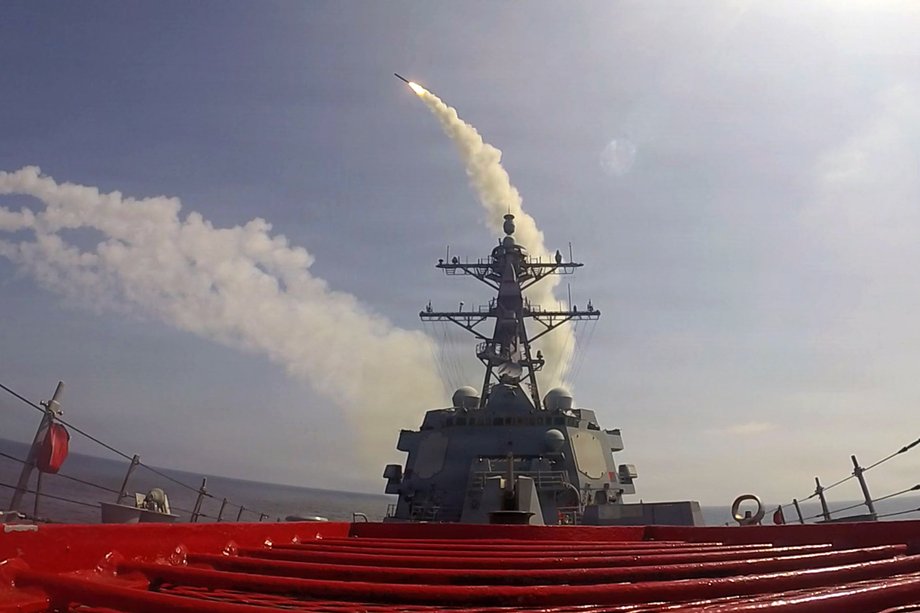
In the photo guided missile destroyer USS Frank E. Petersen Jr. fires a Tomahawk missile during operations in support of Operation Epic Fury, February 28, 2026.
|
US Navy / Handout / Getty Images
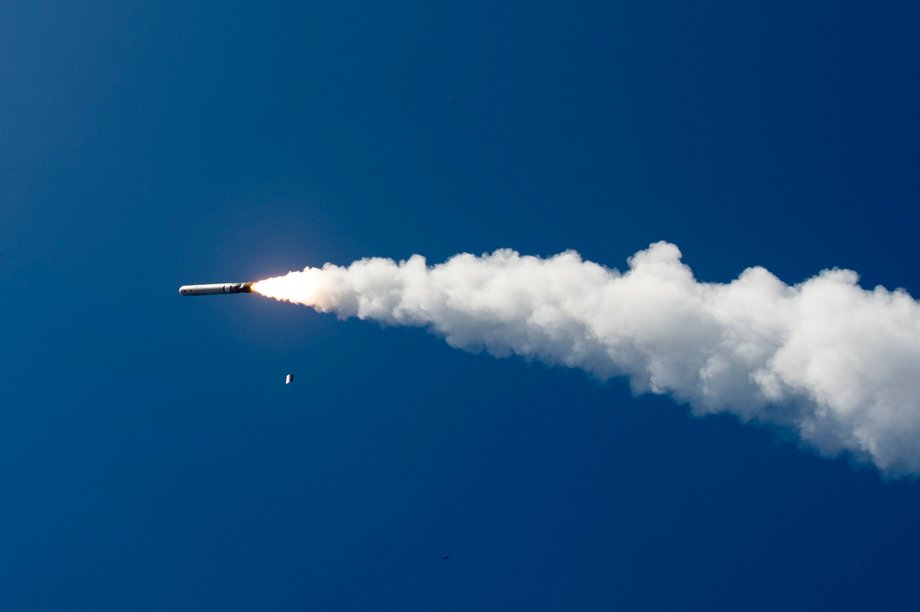
Tomahawk is a cruise missile designed to attack both land and sea targets, with an impressive range of approximately 2.5 thousand km. km. It comes in two basic versions – with a thermonuclear warhead with a power of 200 kilotons and with a conventional explosive charge weighing 450 kg. Since entering service in 1983, the Tomahawk has undergone numerous upgrades. The latest version, designated Block V, is equipped with improved navigation and communication systems and the ability to combat moving surface targets.
5/13
|
Tomahawk missile (illustrative photo)
|
US DOD / US DoD
The United States has used these missiles against Iran before – in June 2025, they hit the uranium enrichment installation in Natanz and the research center in Isfahan. A total of 30 units were then launched from an unspecified submarine (most likely the USS Georgia, which was transferred from the Mediterranean Sea to the Middle East in 2024). In 2026, the use of Tomahawk missiles against Iran caused much greater controversy. According to unofficial information and recordings, as well as an investigation by “The New York Times”, the device fired by the US was to hit the building of the Sayyid al-Shuhada military complex adjacent to the girls' school in Minab. 180 children died as a result of the explosion.
6/13
|
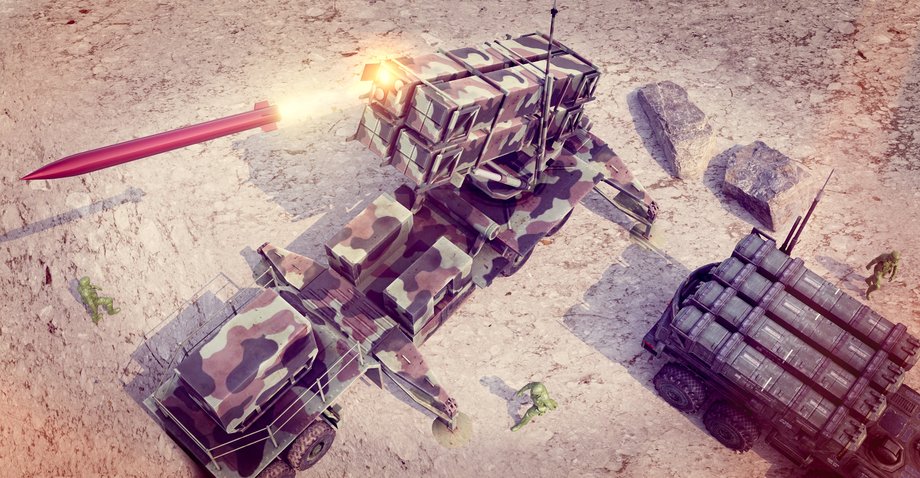
THAAD. The newest anti-missile defense system
|
Naeblys / Shutterstock
The THAAD system was created as a response to the threat posed by short, medium and long-range ballistic missiles. Work on it started in the 1990s, and despite initial difficulties during testing, the project was brought to the stage of mass production. What is characteristic of THAAD is that its missiles do not have a classic warhead – they destroy the target only thanks to the kinetic energy generated at the moment of collision. This method makes the system ideal for intercepting missiles equipped with nuclear warheads, because the kinetic impact does not cause them to detonate. Outside the United States, the THAAD system is currently in use in Saudi Arabia and the United Arab Emirates. It was the UAE that used it in combat for the first time in January 2022 – the THAAD missile neutralized a ballistic missile fired by Houthi fighters towards an oil installation near the Al-Dhafra base.
7/13
|
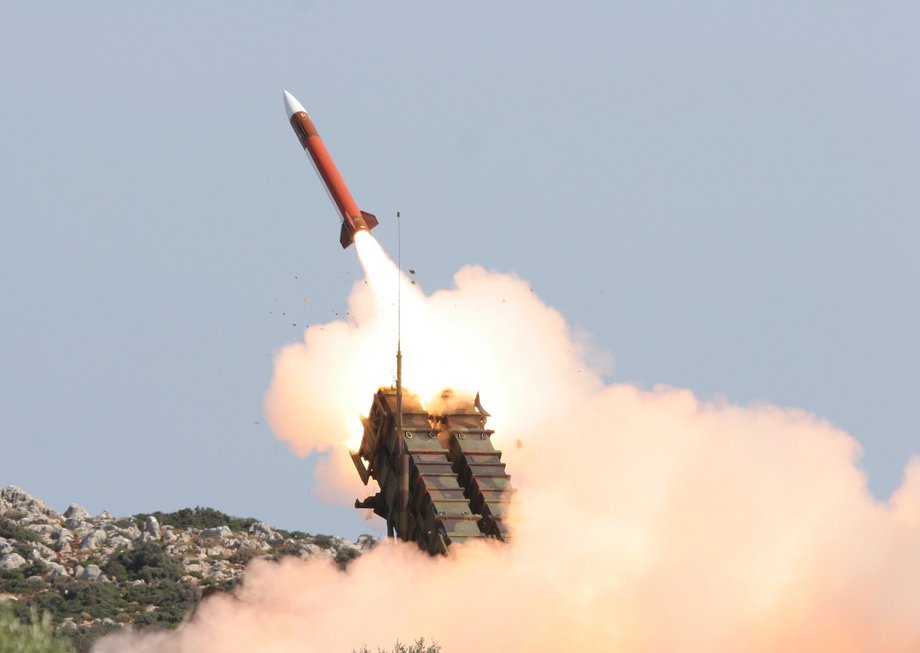
Patriot air defense system launcher (illustrative photo)
|
Handout/Getty Images
Patriot is an advanced American air defense system based on mobile vehicle platforms. It is a key element of the US military's anti-missile shield. Its full name “Phased Array Tracking Radar to Intercept on Target” is rarely used because the system is commonly known as “Patriot”. It includes modern radars, command and control systems and various types of interceptor missiles. The entire system is used to detect and neutralize tactical ballistic missiles, cruise missiles, drones, planes and other air threats. Patriot is considered one of the most effective air defense systems in the world. Its great advantage is mobility – full preparation for operation takes about an hour, and all elements of the set are transported on semi-trailers or specialized trucks. The system also includes a vehicle with a crane used to reload the launcher, commonly referred to as a “scorpion tail” due to its characteristic appearance. The launcher itself can hold four PAC-2 missiles or as many as sixteen smaller PAC-3 missiles.
8/13
|
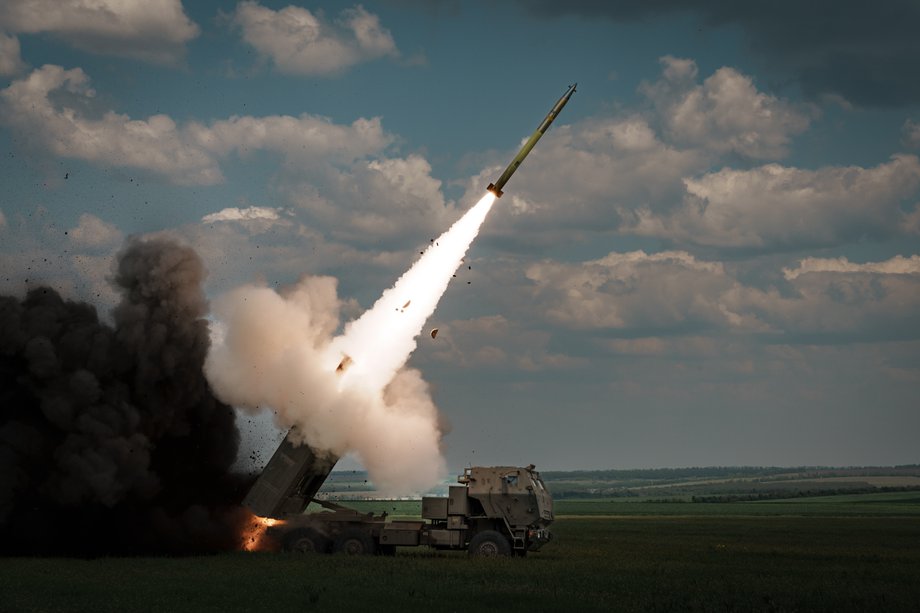
The US fired a new PrSM (Precision Strike Missile) missile into Iran from the HIMARS launcher. In the graphic HIMARS in Ukraine
|
Global Images Ukraine / Contributor / Getty Images
The attack on Iran was an opportunity for the Americans to combat test their new weapons. Although it has not been officially confirmed, the strikes used PrSM (Precision Strike Missile) missiles, which the US introduced only two years ago. PrSM is a modern surface-to-surface ballistic missile designed for precision strikes at distances from 60 to 500 km. It can be fired from M270 and HIMARS launchers and is intended to replace ATACMS missiles in the American armed forces, which are highly effective on the battlefield in Ukraine against Russian troops. The design of the PrSM is modular, which will allow it to be equipped with new types of warheads in the future and adapted to combat maritime targets, including ships.
9/13
|
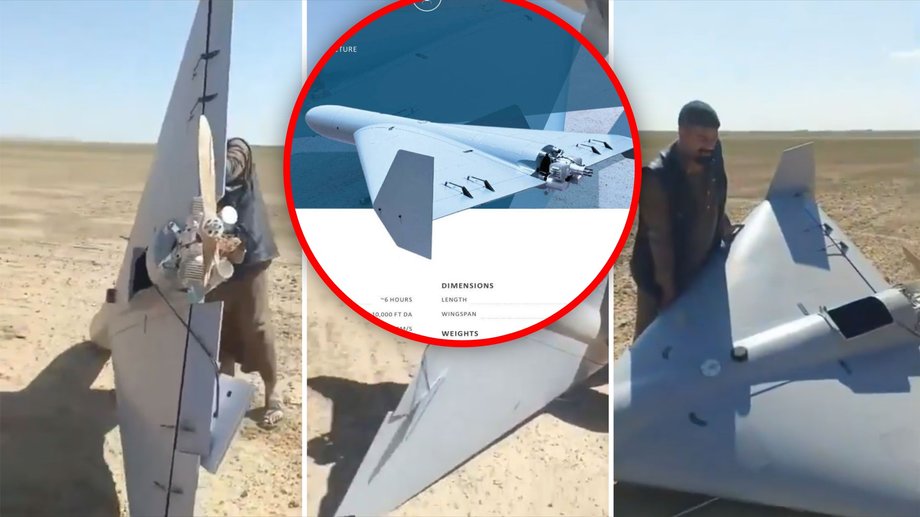
American LUCAS drone crashed in Iraq
|
OSINTdefender
10/13
|
LUCAS attack drone
|
GettyImages
Another newly introduced weapon was the LUCAS attack drone, which was based on the experience gained while analyzing Iranian designs of the Shahed-136 unmanned aerial vehicle. Its weight ranges from 150 to 200 kg, depending on the load used. It may be, among others: 50-kilogram shock warhead. The estimated range of the machine reaches up to 2,000 km. km, although some sources provide more conservative data, about approx. 1000 km. LUCAS can stay in the air for up to six hours and its maximum speed is between 150 and 185 km per hour, depending on the take-off weight. The drone was officially presented in mid-2025, and the first tests took place in December of the same year. The attack on targets in Iran was his debut in real combat operations. According to available information, the cost of one copy is approximately PLN 35,000. dollars. The SpektreWorks company, responsible for its production, plans to achieve a production rate of approx. 10,000 in 2027. pcs per year.
11/13
|
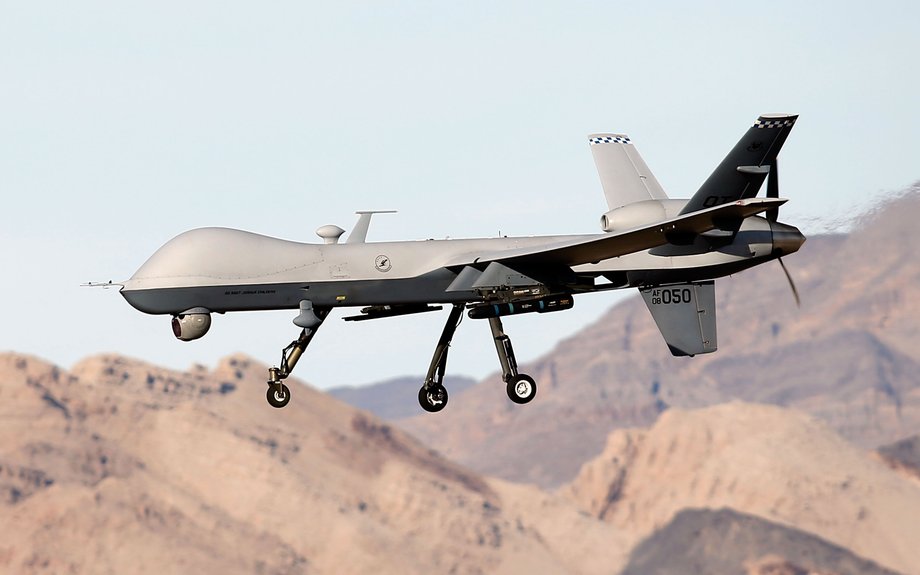
MQ-9 Reaper in the air
|
Isaac Brekken/Getty Images
Another drone used to attack Iran was the famous “reaper”. The MQ-9 Reaper is a large, advanced military drone that can be piloted remotely but can also perform fully autonomous missions. The manufacturer of the machine is General Atomics Aeronautical Systems, and its main user is the United States Armed Forces. However, the Reaper is also in service with the armies of many other countries, including: Australia, France, Germany, Japan and Great Britain. The operation of this 11-meter-long, almost 4-meter-high unmanned aerial vehicle is supervised by a two-person crew controlling both its flight and armament. Reaper can carry, among others: Hellfire air-to-ground missiles and laser-guided bombs. The operational range of the drone is approximately 1.9 thousand km. km, and when fully loaded it can stay in the air for up to 14 hours. The maximum flight altitude reaches 15 km, although the standard operating altitude is approximately half this value.
12/13
|
F-35 plane
|
LockheedMartin
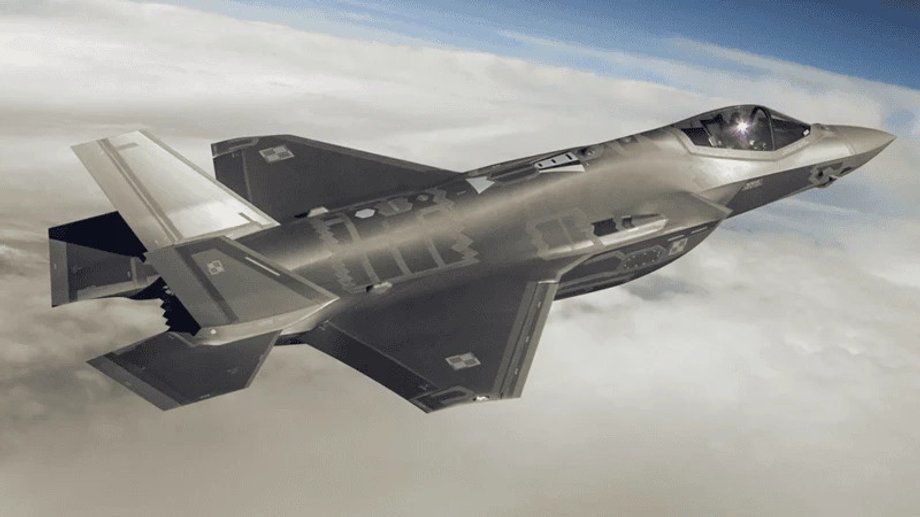
The F-35 Lightning II is a single-seat, multi-role fighter with reduced radar detection, developed by Lockheed Martin. The machine can operate in all weather conditions and was designed for both air combat and precision strikes against ground targets. The plane comes in three variants – F-35A is the standard version intended for the air force, F-35B offers the possibility of short take-off and vertical landing (SVOTL), while F-35C has been adapted to operate from aircraft carriers. As a fifth-generation fighter, the F-35 combines stealth technology with advanced avionics and an extensive set of sensors, which significantly increases the pilot's situational awareness and allows for effective fire from long distances. The plane's weapons are placed primarily in internal bays to maintain low detectability, although it can carry additional missiles and bombs under the wings if necessary. The total weight of the armament may reach 8.2 tons, including many types of missiles and bombs intended to combat air, land and sea targets – including those beyond the pilot's line of sight.
13/13
|
F-22 Raptor plane
|
US Air Force (stock: 60e0e6d1)
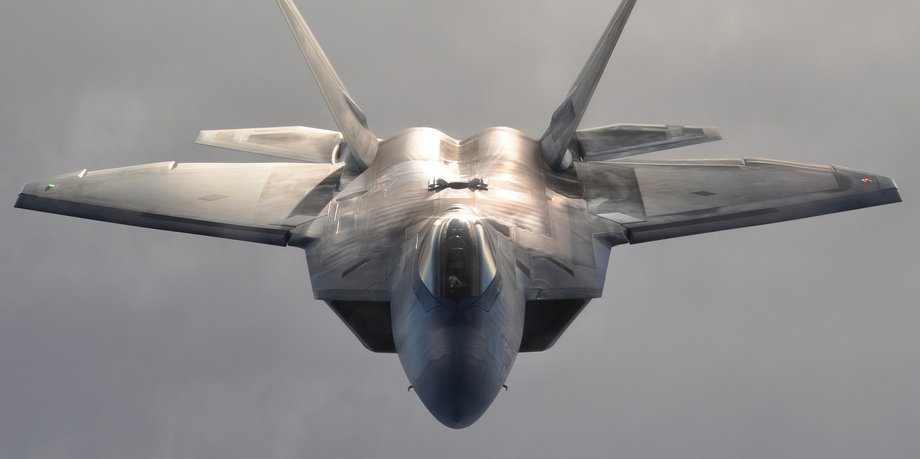
The F-22 Raptor achieves impressive flight parameters. Its maximum speed is approximately 2.4 thousand km/h. km per hour (Mach 2.25), and the operational ceiling reaches nearly 20 km. The combat range of the machine is approximately 3,000. km. Raptor can also break the sound barrier without the use of afterburner and maintain supersonic flight for extended periods of time. In addition to stealth technology, the plane is equipped with a very advanced radar that allows it to detect targets from a distance of over 240 km, and modern “glass cockpit” avionics, which make it easier for the pilot to control the machine and observe the surroundings. The combination of weapons and electronic systems means that the F-22 Raptor is often referred to as one of the most effective fighters in history – especially in beyond visual range (BVR) engagements, where the key is who is the first to detect the enemy and fire. Experts emphasize that in a hypothetical fight with the Russian Su-35, the advantage of the Raptor would be significant, although the Russian fighter could have some advantages in very short-range combat thanks to its high maneuverability.