The controversy of the AUR amendment voted with a majority: What the NGO called “anti-abortion” says and the message given by the Parliament. “What do we expect from citizens to vote in an informed manner?”


An amendment proposed by AUR and adopted by a majority in Parliament, through which funds are allocated for the “Clujul pentru Viață” association, has generated public controversy. The organization is mentioned in a 2025 Human Rights Watch report in relation to the anti-abortion movement, a label rejected by the NGO's president. Oana Băluță, researcher specialized in gender politics and lecturer at the Faculty of Political Sciences within the SNSPA, says, however, that the classification must be made according to the concrete activity, not the way the organizations define themselves.
- About the vote in Parliament: “The message the parliamentarians are sending is that of a lack of responsibility, of an extremely precarious democratic culture, but also of legitimizing such positions and this movement, definitively,” says Oana Băluță.
- The NGO from Cluj-Napoca, founded in 2017, aims to “promote the culture of life”, according to the presentation on its website. The organization has run campaigns such as “Help a mother, save a child from abortion” to finance a support center.
“I have known the people from Cluj for Life for many years, before the AUR party was born. We met occasionally at conferences, at church or at the March for Life”, says the AUR deputy, Ilie-Alin Coleșa, who introduced the amendment in the state budget, in a dialogue with HotNews.
On the night of Thursday to Friday, around 2 o'clock, the amendment was quickly voted forward, approved, and was not reversed the next day either. Thus, the parliamentarians voted with a majority to allocate the sum of 25,000 to the “Cluj for Life” Association through the state budget.
The AUR deputy also explained how he came to propose the funding of this organization.
“I received a generic message, they were looking for funding to help a young family who had just had their first child and needed financial support. But they chose a very constructive option. They chose to pay for the father's driving school to get an extra qualification,” said the MP.
He then made a personal donation, and then “I said I'd try to help them more.”
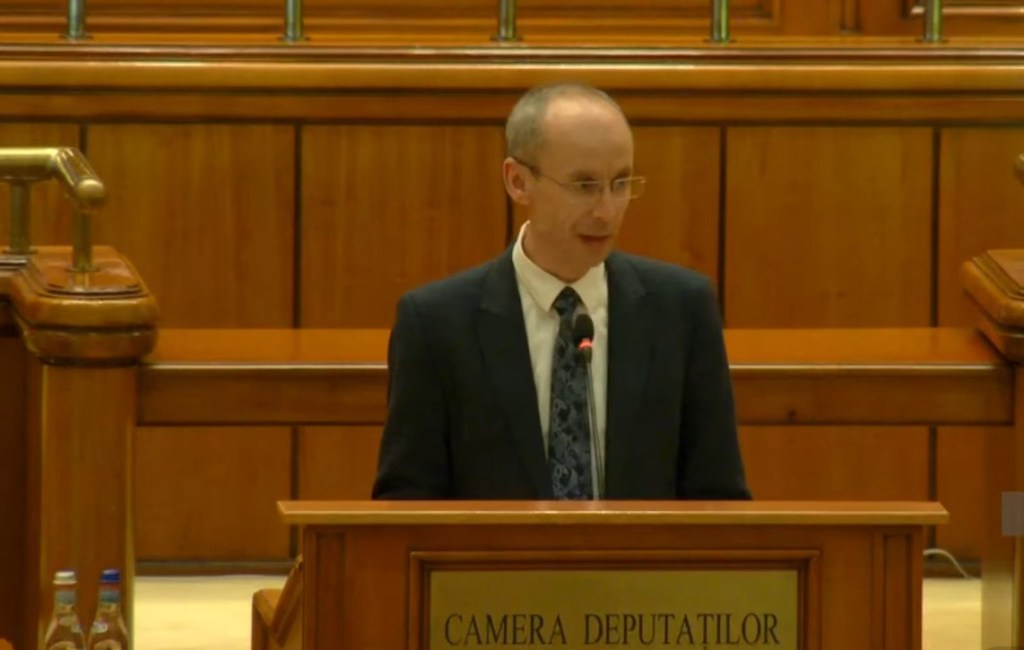
How does the AUR deputy explain the adoption of the amendment and the plenary vote
He explains that the amendment had initially been rejected in committee, in the context of negotiations and tensions between the parties. That's why he came back with the proposal in plenary.
Asked about the fact that many parliamentarians said they did not know what they were voting for, he replied: “You realize that the accepted amendments are from 500 parliamentarians. Each parliamentarian accounts for the amendments related to his field of activity. I have no way of knowing 2,000 amendments, but I rely on my colleagues, each one of them, who know the respective amendments. It's a team effort.”
The AUR deputy rejects the criticism related to the organization's positioning, as did the party president George Simion. “This association does not position itself against abortion at all. It respects freedom of choice. We do not condemn anyone, we do not accuse anyone, everyone must be free to choose,” he says.
“We support women's right to choose. At the same time, we are clearly on the side of life, not on the side of death,” said the party's president, George Simion, a day ago.
How was the news received in Cluj
The president of the “Cluj for Life” association, Iustina Moldovan, says, when contacted by HotNews, that the organization does not define itself as being against abortion and that it did not know about the amendment before it was voted: “We did not have any discussion and did not make any request.”
The President of the Association says that AUR deputy Ilie-Alin Coleșa “knows us personally and over time has made donations from his personal money, because he supports our cause.”
She rejects the label of an anti-abortion organization and says that it does not appear in the official communication: “This phrase was not uttered by any of the members of the association. If you go to the website, you will not find anywhere that our organization is against abortion.”
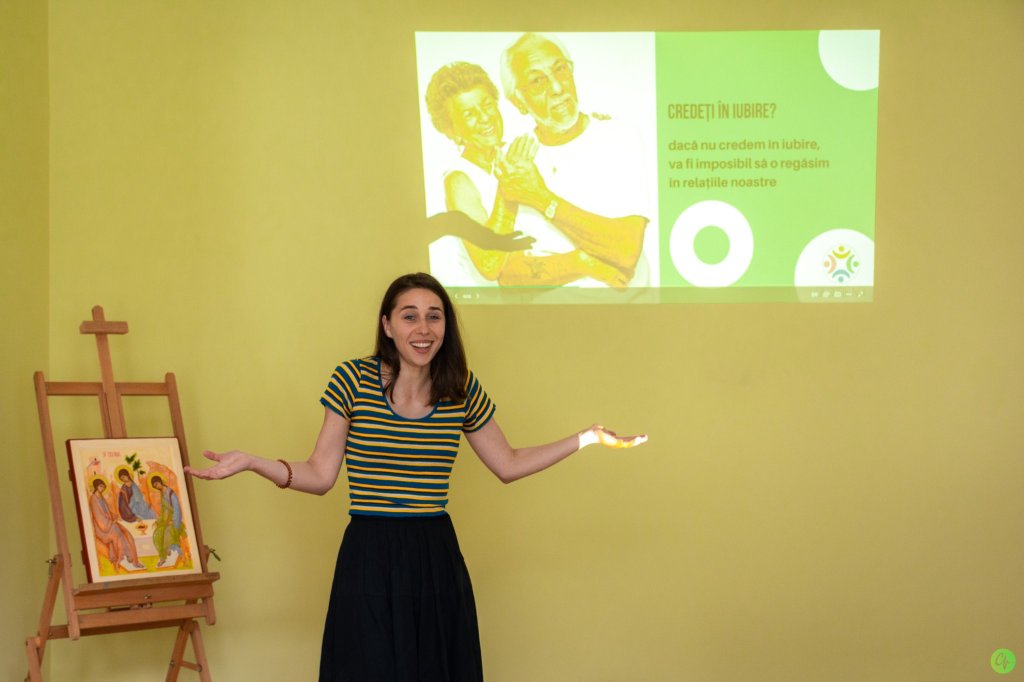
On the association's website, there is a text entitled “The right to abortion vs. the right to life – a social or political issue?”, in which the decision of the US Supreme Court in the case of Roe vs. Wade, through the right to abortion was guaranteed by the constitution, is categorized as a mistake. The decision of the Supreme Court was overturned in the first term of the Trump administration.
“Our association supports women who still think they want to keep the child”
Moldovan also says that the organization offers counseling to women, without intervening in their final decision: “Our association supports women who think they still want to keep the child and offers counseling. If the women later decide that they want to have an abortion, we will not intervene over their decision.”
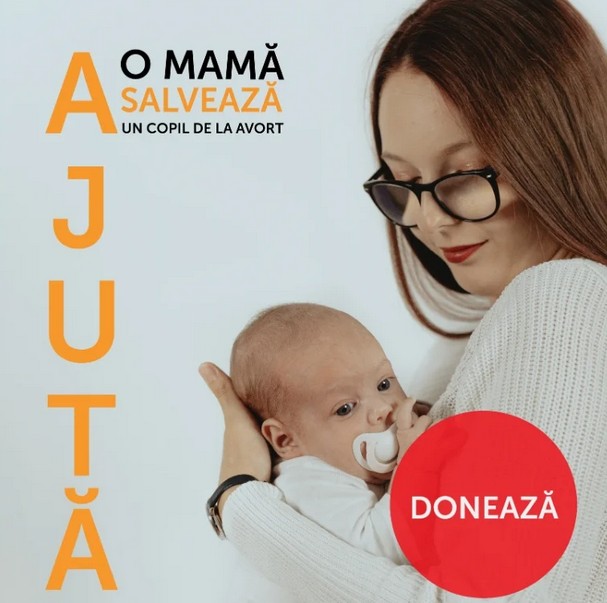
She says that there have also been situations in which women have chosen to terminate the pregnancy: “We have had beneficiaries who came to us for advice, for information, and who, in the end, chose to have an abortion, and to whom we conveyed that if they need further counseling, then we are still at their disposal. We also have a post-abortion counseling program, but no one really uses it, for now.”
“We provide a legal social service, the state does not provide such services”
Asked about the funding from public money, she says that the NGO “provides a legal social service and the Romanian state does not provide services of this kind at all”.
“There is a very big problem in terms of support for vulnerable families, I can say that the funding is quite justified. As long as the state does not provide such services, at least it finances those who do it for it,” she believes.
Oana Băluță: “The classification is done according to the activity, not according to the label”
While the AUR deputy and the president of the Association reject the anti-abortion label, Oana Băluță, researcher specialized in gender equality and representation in politics and lecturer at the Faculty of Political Sciences within SNSPA, states that this is only “a communication strategy”.
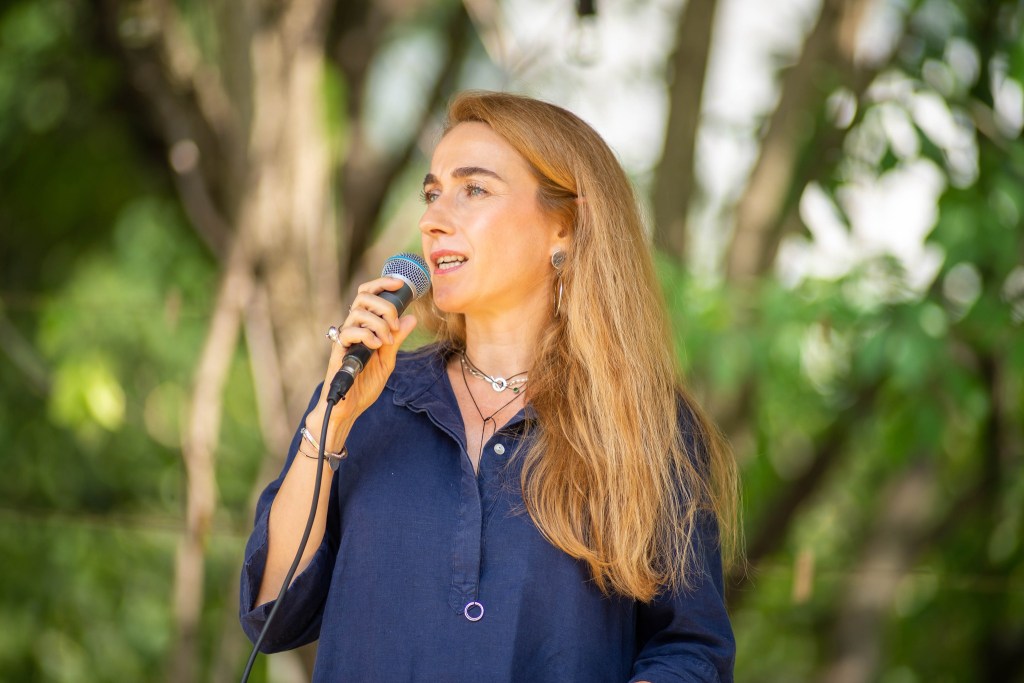
“We need to make a clear difference between the label and the communication strategy. The fact that the organization says it is not anti-abortion is more of a communication strategy. It is important to look at what the organization supports, what kind of activity it does, how it positions itself regarding women's access to abortion and what international reports say about the work of these organizations.”
She explains that avoiding the label is a common practice: “Organizations in the pro-life area avoid the anti-abortion label, because it has negative connotations and because there is this social memory of the consequences of the 1966 decree. They prefer a discursive framework centered on the protection of life, support for women, support for women in crisis pregnancy, alternatives to abortion.”
In his opinion, the classification does not depend on the assumed label: “If these associations support the restriction of access to abortion, the limitation of sex education, the promotion of abstinence as a public policy, then, from an analytical point of view, they fall into the anti-abortion zone, regardless of the label.”
“I think it is legitimate to ask why this association and not others”
Oana Băluță draws attention to the context in which these organizations appear, after AUR deputy Ilie-Alin Coleșa stated that she interacted with the representatives of the association including at the “March for Life”.
“The March for Life brings together diverse actors, from politicians, to non-governmental organizations, to priests, to members of neo-legionary organizations, to ultras groups. It is important information that shows us the profile of these types of associations.”
She questions the public funding: “I don't understand the public interest that this association represents. I think it's legitimate to ask why this association and not others. Why not ProVita, for example, which is a much older association? Or why not an organization that works with women facing domestic violence?”
Băluță says that the profile of the initiator of the amendment also raises questions and refers to his public positions: “If you look at Alin Coleșa's interventions, you will see that his speech has elements that we associate with right-wing extremism. He spoke about sex education in apocalyptic terms and about in vitro fertilization in terms that suggest the promotion of unnatural families. We have legitimate reservations that the initiative is not devoid of bias and that it promotes a anti-rights agenda.”
Human Rights Watch Report: “Fight for Life” is mentioned in the context of the anti-abortion movement
Băluță also refers to a report published in 2025 by Human Rights Watch on access to abortion in Romania, a document that analyzes the obstacles faced by women in accessing this medical service, and draws attention to the fact that the organization is mentioned in this document. “Human Rights Watch named this association among those groups that make up a genuine anti-abortion movement.”
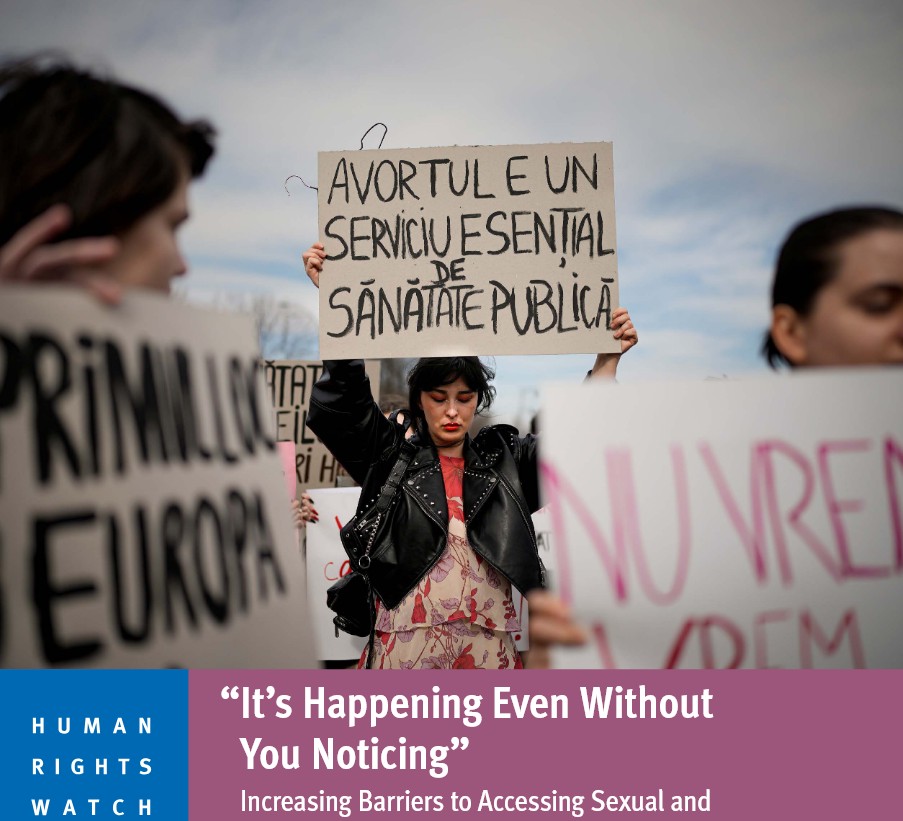
In a Facebook post, she said the organization appears in the report under the section dedicated to “pregnancy crisis centers” and is explicitly mentioned in a footnote. Baluță refers to the section of the report that describes the work of these centers and mentions practices such as the use of vague or misleading messages and tactics to influence women's decisions.
At the same time, the Politică publication wrote, in an analysis published in 2023, that women's access to abortion has become more and more difficult in most European countries, situations from Romania being presented.
HotNews also wrote about this topic: Access to abortion, increasingly difficult in Romania: “We have had situations where rape victims were refused by 4-5 hospitals”
“The message sent by parliamentarians”
The amendment was adopted in plenary during the debates on the budget, with 368 votes “for”, 23 “against”, 6 abstentions and 2 MPs who did not vote, according to information published by HotNews.
The vote included MPs from all parties and, according to the same source, one MP said that “it doesn't really seem like anyone knew what they were voting for”.
“I think that the lack of political culture, the lack of democratic culture speaks for itself. It is your responsibility to inform yourself so that you know how to vote in an informed and informed manner. What kind of expectation do we have from citizens to vote in an informed manner, if the parliamentarians themselves cannot vote in an informed manner? The message I am sending is that of a lack of responsibility, of an extremely precarious democratic culture, but also of legitimizing such positions and this movement, definitely”, says Oana Băluță.