Spectacle in the sky of Europe. A geomagnetic storm brings the aurora borealis to unusual latitudes


A geomagnetic storm of moderate intensity is expected to hit Europe between March 19 and 21, and the phenomenon will mean that the aurora borealis can be observed closer to inhabited areas than usual.
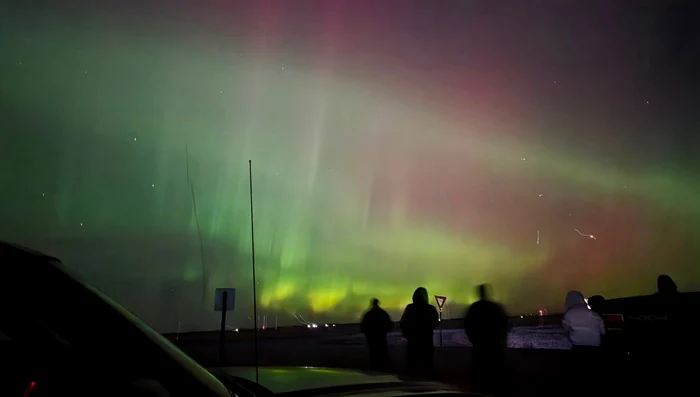
The aurora borealis can be seen at a lower latitude than usual PHOTO: Archive
The US National Oceanic and Atmospheric Administration (NOAA) has issued an alert for a moderate G2 geomagnetic storm caused by a combination of factors: the arrival of possible coronal mass ejections (CMEs) and the influence of a high-speed solar wind stream from a coronal hole (CH HSS).
The intensity of solar activity may increase
According to Italian publication Rai News, the effects of the solar wind stream are expected to be felt from March 21 and could cause a G2-level geomagnetic storm. There is also a small chance that solar activity will intensify, generating G3-level storms, considered strong, during the same period. Authorities advise the population to follow updates and forecasts, as such phenomena can affect satellites, radio communications and power grids.
In addition, geomagnetic storms can create aurora borealis visible at a lower latitude than usual. According to NOAA, the Northern Lights could be seen in various regions of the Northern Hemisphere, providing a rare spectacle for onlookers.
What are geomagnetic storms and how do they affect us?
A geomagnetic storm occurs when the solar wind, the stream of energy-charged particles emitted by the Sun, hits Earth's magnetic field. These disruptions can last from a few hours to a few days and can affect satellite communication systems, power grids, GPS orientation and even the general health of people, especially those sensitive to weather changes.
Symptoms that may occur include headache, dizziness, insomnia, severe fatigue, sudden fluctuations in blood pressure, anxiety or irritability. Specialists warn that the most vulnerable people are those with cardiovascular disease, neurovegetative dystonia or obesity.