The war with Iran has caused a new wave of internal disputes in the Republican Party centered around Trump. That conflict came to the fore on Tuesday when Joe Kent, one of Gabbard's former closest aides, unexpectedly resigned, citing opposition to the administration's actions in Iran. But Iran is only one of the issues dividing this coalition. An in-depth analysis of Trump's alliance reveals numerous cracks — from the issue of immigration, through US-Israel relations, to basic questions about American identity.
With the congressional elections approaching, these divisions are raising speculation that MAGA voters may turn away from the Republican Party en masse in November. However, this is not the biggest threat to this alliance: the latest polls suggest that Republicans who call themselves “MAGA” consistently support Trump on the war issue and other controversial issues, confirming the hard reality that, as Trump succinctly put it, “MAGA is me.”
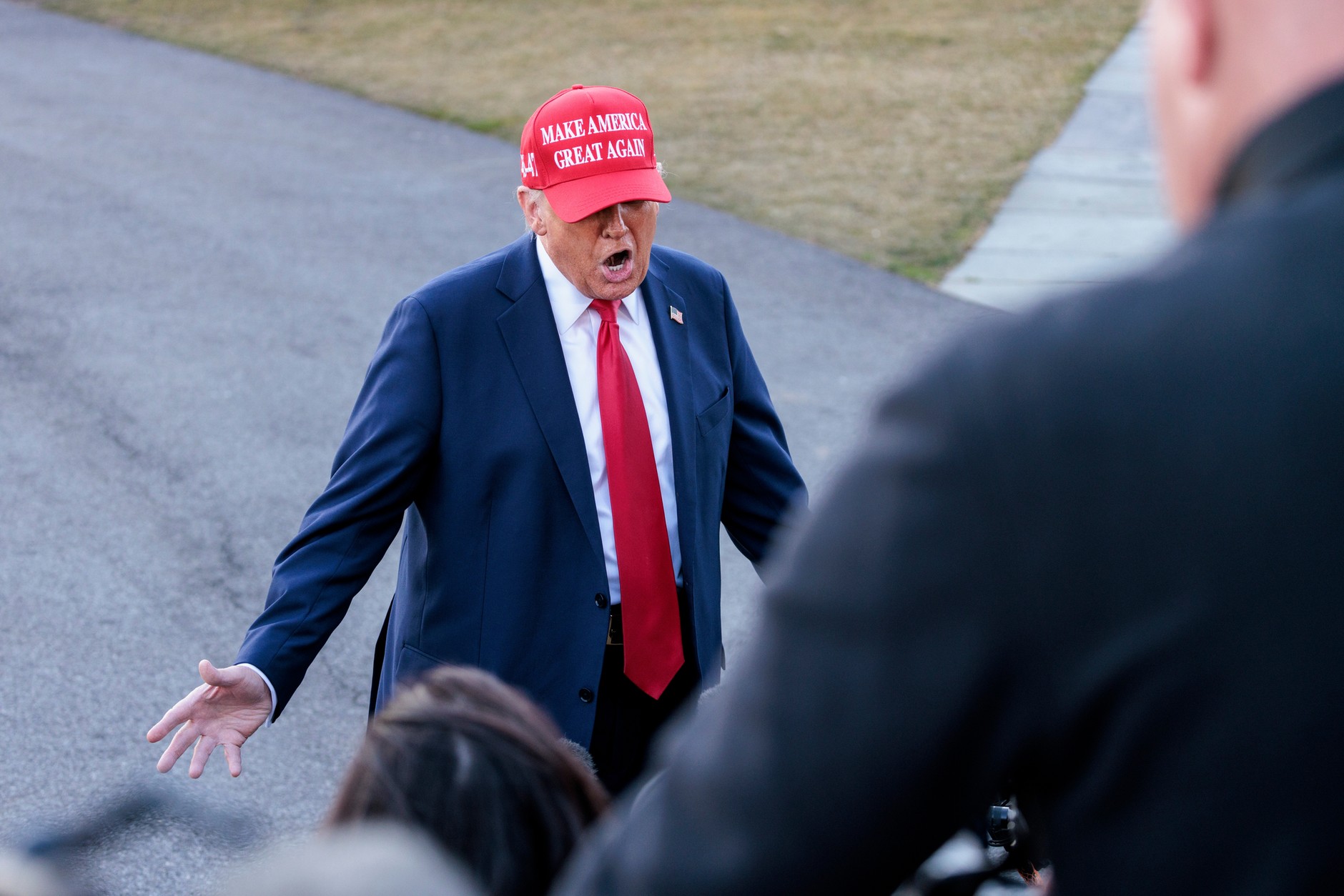
Donald Trump wearing a Make America Great Again hatJoshua Sukoff / Shutterstock
However, as some conservative commentators have recently pointed out, Trump didn't win re-election in 2024 solely because of MAGA voters. His winning coalition connected the hard core MAGA electorate with a wide range of unusual Republican environments – disillusioned Democrats, “MAHA mothers” and podcast listeners from the so-called manosphere.
It is this very broad coalition of Trump's supporters – and not the core of MAGA supporters – that some of his supporters believe is today threatened by the president's political decisions. As conservative activist Mike Cernovich put it this week: “A generational coalition has been squandered.” Here are the key issues that could break it.
War with Iran
Ongoing military operations in Iran are causing opposition from typical opponents of intervention from the right of the political scene, led by figures such as Tucker Carlson, Megyn Kelly and former congresswoman Marjorie Taylor Greene. However, the war also resulted in departures that are more surprising.
The article continues below the video
On Monday, Stewart Rhodes, founder of the far-right militia Oath Keepers and a Jan. 6 rioter who was pardoned by Trump, announced that he is “no longer MAGA”. He justified this by opposing the war. Meanwhile, Joe Rogan, a leading voice in the pro-Trump male podcast community, claimed that Trump voters feel “betrayed” over Iran.
Signs of discord within the party are also showing up in polls. While over 90 percent respondents who identify as “MAGA Republicans” still support the war, that's it almost 25 percent “”adjective-free” Republicans” and nearly 40 percent of “non-MAGA Republicans” oppose it. The war enjoys even lower support among independent voters – on average, as much as 70 percent reject it. of them, and only 30 percent supports. These same voters are more likely to point to “cost of living” as their top concern, which poses a political threat to the administration when the war drives up fuel prices and could drive up inflation.
Israel and anti-Semitism
The war with Iran has intensified another dispute in the Trump-era Republican Party – over U.S. relations with Israel and the MAGA movement's tolerance for criticizing the Jewish state, which many consider even anti-Semitic.
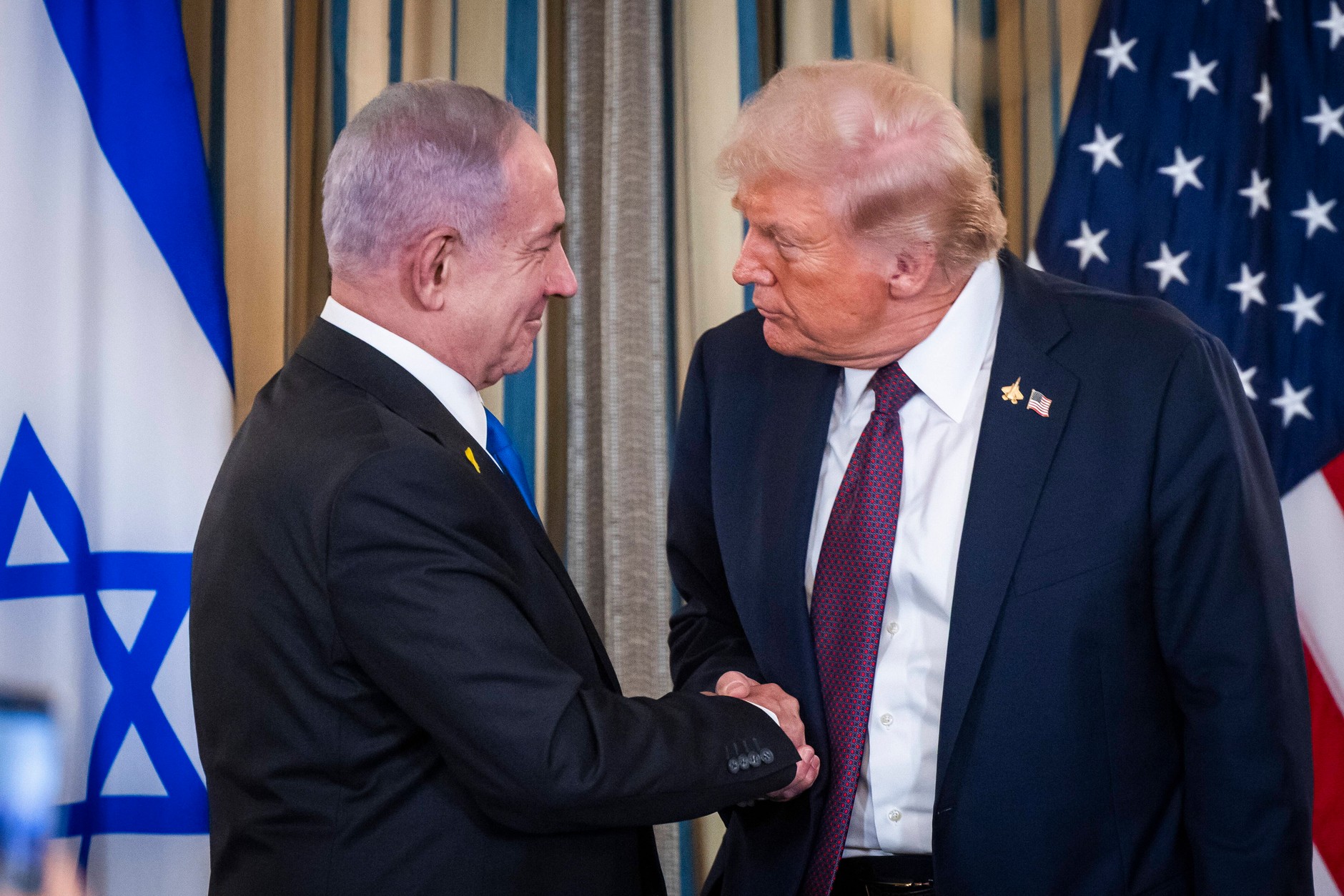
Binyamin Netanyahu, Prime Minister of Israel, and Donald Trump, President of the United StatesJIM LO SCALZO / POOL / PAP
Since the beginning of the conflict, some right-wing opponents of the war have argued that Trump was dragged into it at Israel's behest, echoing a long-held belief on the right that Israel and the pro-Israel lobby in the U.S. have a pernicious influence on the Republican Party's foreign policy. In his resignation letter, Kent wrote that the U.S “started this war under pressure from Israel and its powerful lobby in America”not because it was in the national interest.
Meanwhile, some conservative supporters of Israel say these critical voices are part of a broader campaign against Israel exclusion of Jewish Republicans from the MAGA coalition by inciting anti-Semitic sentiments in the party base. Indeed, the debate around the war has further promoted openly anti-Semitic figures on the right, such as nationalist commentator Nick Fuentes and anti-Israel podcaster Candace Owens. The popularity of their podcasts has increased significantly in recent weeks.
Immigration
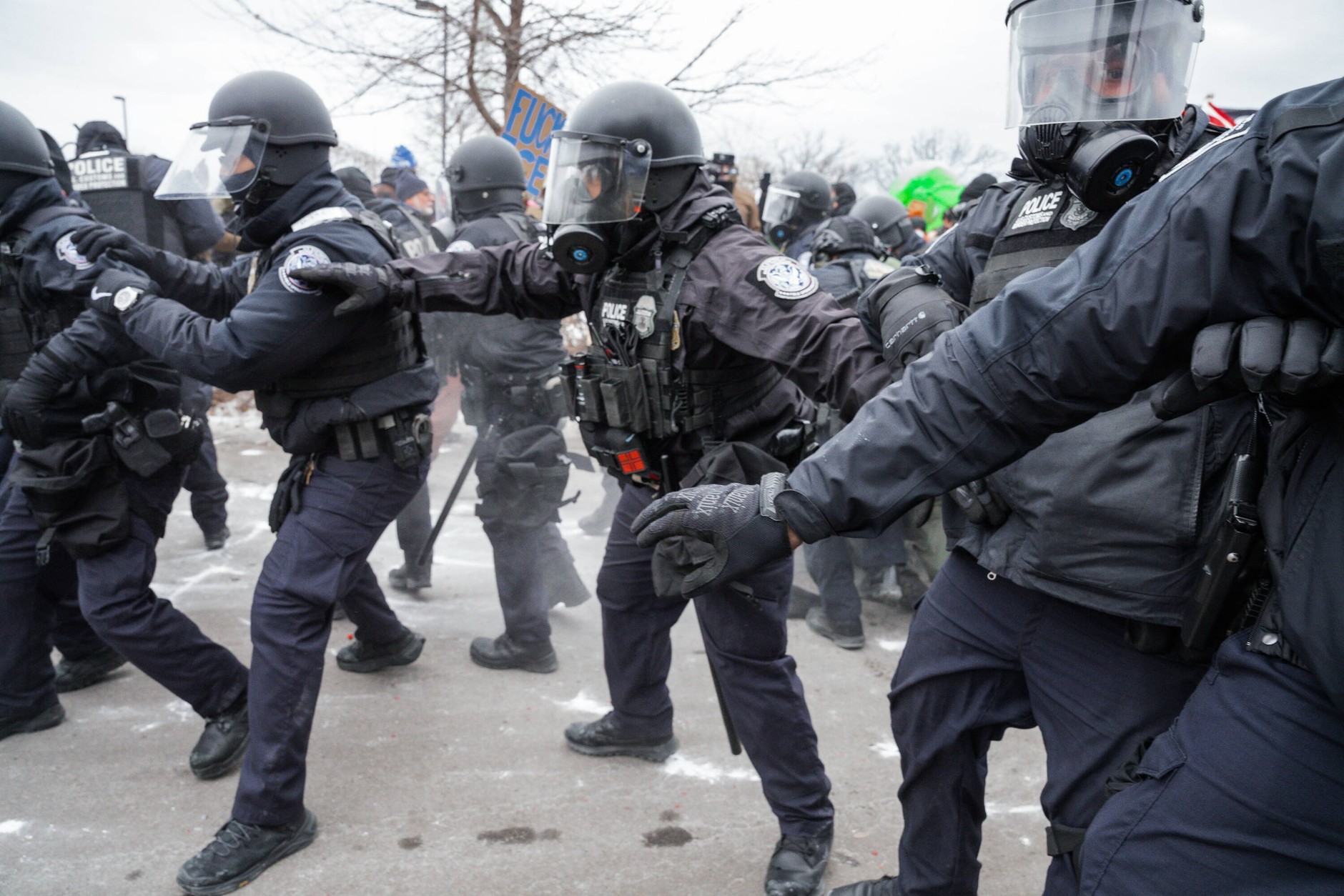
The administration's political offensive on immigration enforcement escalated this year in Minneapolis, where federal agents shot and killed two U.S. citizens. The wave of criticism that followed forced the White House to correct course: the leadership of the Department of Homeland Security was replaced and the most radical announcements of mass deportations were quietly withdrawn.
ICE officers in MineapolisOLGA FEDOROVA / PAP
However, the administration's softening of tone was not well received by all coalition members. It deepened the division between hard-line immigration supporters and Trump's political base just before the midterm elections. Last week, a group of anti-immigration organizations formed a new coalition to pressure the administration, warning that the president risks losing support from his own electorate if he reneges on his promise to deport millions of undocumented immigrants.
At the same time, the administration is under pressure from supportive business leaders and Republican politicians who warn that tightening immigration controls may harm key sectors of the economy and discourage important groups of fall voters, including Latino Americans. Even this faction of the party is divided on how to address the problem: Some believe the policy needs to change significantly, while others call for a more precise message focusing on arresting criminals, public safety and Trump's success in closing the southern border.
Epstein Files
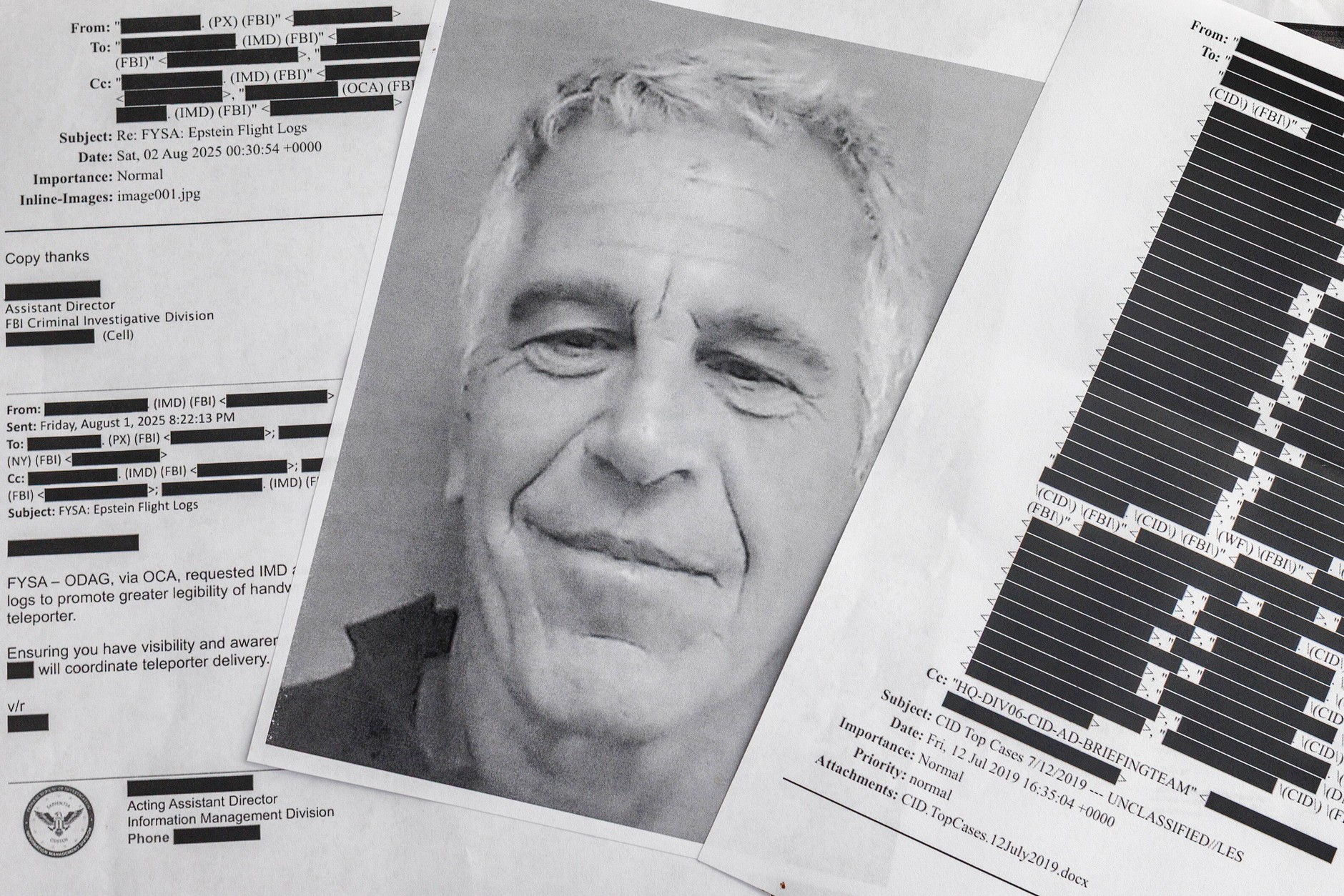
Although the war with Iran has dominated recent headlines, the dispute over the Trump administration's approach to making Epstein's files public continues to stir emotions within his coalition. The reason is growing frustration with the failure to deliver on the promise to quickly release all government documents related to the case.
Epstein Files. Illustrative photoEPA/CRISTOBAL HERRERA-ULASHKEVICH / PAP
Proof that the topic will not disappear from the Republican agenda anytime soonis the decision by House Oversight Committee Chairman James Comer to summon Attorney General Pam Bondi for a hearing on the matter. This happened after six Republicans joined Democrats in supporting such a proposal.
The Epstein scandal could also play a key role in the high-profile Republican primary in Kentucky, where Rep. Thomas Massie — who has long pushed for greater open records — will face a Trump-backed candidate.
“MAHA”, or let's make America healthy again
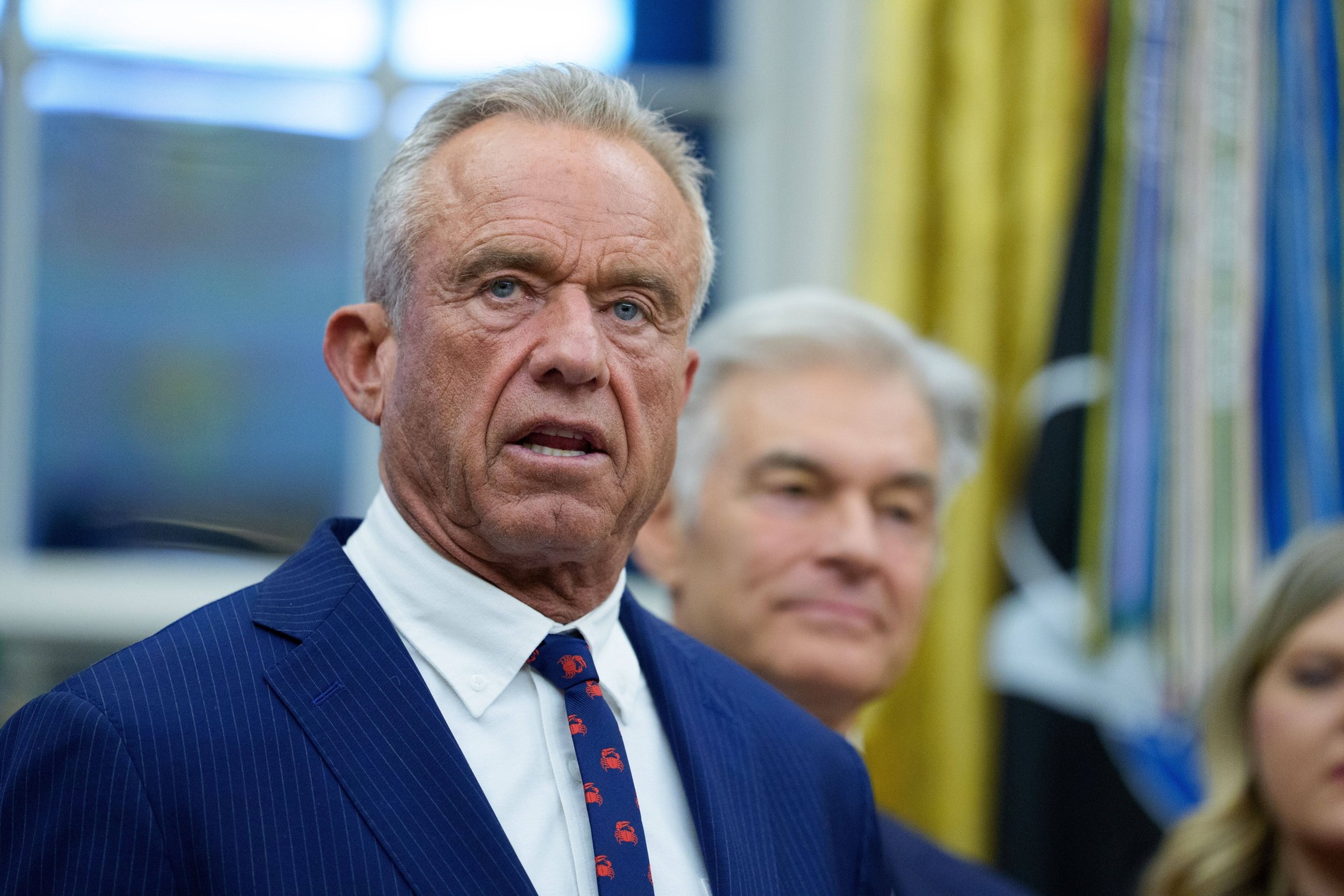
Donald Trump's MAGA movement alliance with Robert F. Kennedy Jr.'s “Make American Healthy Again” group was one of the most high-profile political alliances of 2024 and ended with the — seemingly unlikely — promotion of RFK Jr. as Secretary of Health and Human Services.
Robert F. Kennedy Jr., US Secretary of HealthAARON SCHWARTZ / POOL / PAP
Currently, this alliance is being seriously tested by recent decisions by both the Trump administration and Kennedy himself. In February, RFK Jr. sparked a revolt among MAHA loyalists when he supported Trump's directive to increase production of the chemical herbicide, which he previously deemed “dangerous to Americans” due to potential carcinogenic properties. At the same time, some vaccine skeptics at MAHA express disappointment at what they perceive as Kennedy's quiet retreat from a more decisive anti-vaccination course.
It made everything worse split between Republicans and the MAHA community — a loophole that some Democrats are trying to exploit before 2026 by testing new messages that address the movement's concerns.
Artificial intelligence
A less publicized debate is taking place within the party over the MAGA movement's approach to artificial intelligence. So far, the Trump administration has chosen a liberal and industry-friendly coursesigning a controversial executive order that preempts state AI regulations and building strong political relationships with leading tech companies.
Meanwhile, some Republicans are less enthusiastic about this technology and have begun to publicly express concerns about its mass implementation. In Florida, Republican Gov. Ron DeSantis is pushing hard for restrictions on AI data centers, arguing that artificial intelligence can radically impact the labor market and lead to an “existential crisis of democracy”. In Washington, Senator Josh Hawley has proposed a package of new regulations that he believes are necessary to limit the threat that “transhumanism” poses to American families and the Christian faith.
While the topic of AI has not yet dominated the 2026 congressional campaign, some Republican strategists predict that this will become a key issue in the 2028 presidential primaries. — especially if Vice President J.D. Vance, a promoter of the administration's AI agenda, maintains his position as the favorite.
Gender politics and sexism
After 2016, a significant group of young, educated women joined the MAGA movement and the “new right”, looking for an alternative to the – in their opinion – suffocating orthodoxy of liberal feminism. However, as New York magazine recently reported, more and more of these women are turning away from the movement. They are offended by the overt sexism that comes from the combination of conservative MAGA traditionalists and reactionary advocates of male domination.
If this frustration continues to spread, it could create this a serious electoral problem for Trump, whose support among women is already very low. Further declines in this group could inflame other hidden tensions between Trump and his conservative social base, especially if he decides to further soften his stance on abortion and access to in vitro fertilization in an effort to gain support among women.
American identity
At the heart of many of these divisions on the right is a more fundamental, philosophical debate: what constitutes American identity and Who deserves to be called a “real” American?
USA flag. Illustrative photoDavid Evison / Shutterstock
Some on the right, such as Nick Fuentes and his Groypers supporters, are in favor an overtly racist definition of Americanness rooted in white, Christian identity. Others prefer a vague concept of “American heritage” — that is, the belief that American identity has its source in the Anglo-Protestant culture of the original 13 colonies. Therefore, it is people who can trace their origins to these groups who have a special right to Americanness.
This concept leads to tough demands to limit immigration and is sometimes picked up by supporters of immigration restrictions in the administration. JD Vance, although he did not adopt the term explicitly, repeats some of its main assumptions, including the rejection of the definition of America as a nation based on shared values.
Other conservatives respond to this approach by wanting to re-emphasize America's fundamental values. In December, in The New York Times, former Republican presidential candidate Vivek Ramaswamy — now running for governor of Ohio — criticized the growing wave of “blood and soil” nationalism on the right, comparing it to the left's “inflection of progress” before the 2024 elections. “If the post-Trump Republican Party makes the same mistake, following its own identity extreme, it will suffer a similar fate,” he wrote.
I’m Ashley Davis as an editor, I’m committed to upholding the highest standards of integrity and accuracy in every piece we publish. My work is driven by curiosity, a passion for truth, and a belief that journalism plays a crucial role in shaping public discourse. I strive to tell stories that not only inform but also inspire action and conversation.