The war in the Middle East is shaking the markets. Kozłowski: “First of all, you need to protect capital”

2026-03-20 17:38
publication
2026-03-20 17:38
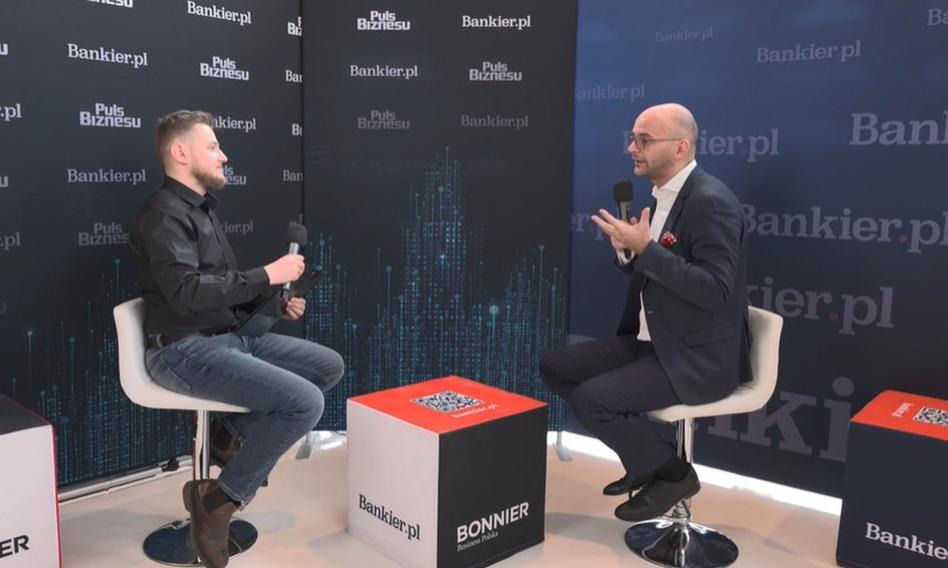
The conflict in the Middle East is escalating, oil and fuel prices are rising, and financial markets are starting to nervously price in new scenarios. Are we at risk of another spike in inflation and how will this affect the portfolios of investors and companies from the Warsaw Stock Exchange? We talk about this in the premiere episode of “Bankier Weekly” – weekly conversations about markets, recorded straight from the Invest Cuffs conference in Krakow, with Sobiesław Kozłowski, director of the Investment Advisory Department of Ipopema Securities.
What will you learn from the conversation?
📉 Bonds in panic, stock exchange in waiting: why did the Polish debt market react so nervously and sensitively to events in the Middle East, while shares remain relatively calm
🛢️ The golden times of Orlen or a political trap: how high oil and gas prices, intensified by, among others, by hitting Qatar's LNG installations, they are pumping up the results of the fuel giant and will politicians soon demand these margins?
🥇 Correction on gold and silver: why has the king of precious metals been losing value recently? Sobiesław Kozłowski explains the mechanism of “searching for liquidity” by fund managers.
💡 Where to look for profits on a difficult market: from the stable, dividend-paying Ambra, to the echoes of bitcoin's growth, pulling up technology companies from the Nasdaq index.
Has the debt market overreacted? The fear of inflation is back
Although we have only seen a controlled, calm pullback on the stock markets so far, the bond market has been hit hard by the turmoil. Yields of Polish 10-year bonds increased dramatically (by as much as 75-80 basis points), and derivatives began to price even two or three interest rate increases within a year or a year and a half.
Estimates say that an increase in Brent crude oil prices by USD 10 translates into 0.2%. to inflation – notes Sobiesław Kozłowski in the interview. A possible jump in the price of black gold from $70 to $120 is theoretically an additional percentage point to inflation, which complicates the market situation.
Advertisement
The WSE giants on a geopolitical swing
The situation of the largest Polish companies (blue chips) largely depends on the duration of the conflict. If tensions subside quickly, investors will probably return to riskier assets such as banks or KGHM. However, if the conflict continues, in line with the asset rotation cycle, the risk increases that cash will simply win the markets.
The focus was, among others, on: Orlen, whose quotations reached historic highs. A colder winter, significantly depleted gas storage facilities in Europe and attacks on infrastructure in the Middle East create an environment favorable to the results of the Polish giant. However, Kozłowski warns that such high profitability, especially at a time when European industry is losing competitiveness, may tempt politicians to intervene on margins.
Gold loses due to “search for liquidity”
Recent declines in the gold and silver markets may be worrying, but an Ipopema Securities expert explains it by the phenomenon of asset managers seeking liquidity. To shore up low cash levels in portfolios amid uncertainty, funds are selling profitable positions, including: precious metals or technological giants.
– At the moment, to sum up, I am rather closer to realizing profits or closing positions (…) Because, above all, we need to protect capital – sums up Sobiesław Kozłowski.
You will hear a full conversation about the situation on the markets in times of geopolitical tension, the mystery of KGHM's declining price just before the results and speculations on coal companies such as Bogdanka or JSW in the premiere episode of “Bankier Weekly”. We invite you!
sdfs

The publication contains affiliate links.