The Middle East under a massive wave of attacks at the dawn of the biggest Muslim holiday. Tehran and Gulf capitals targeted by missiles and drones

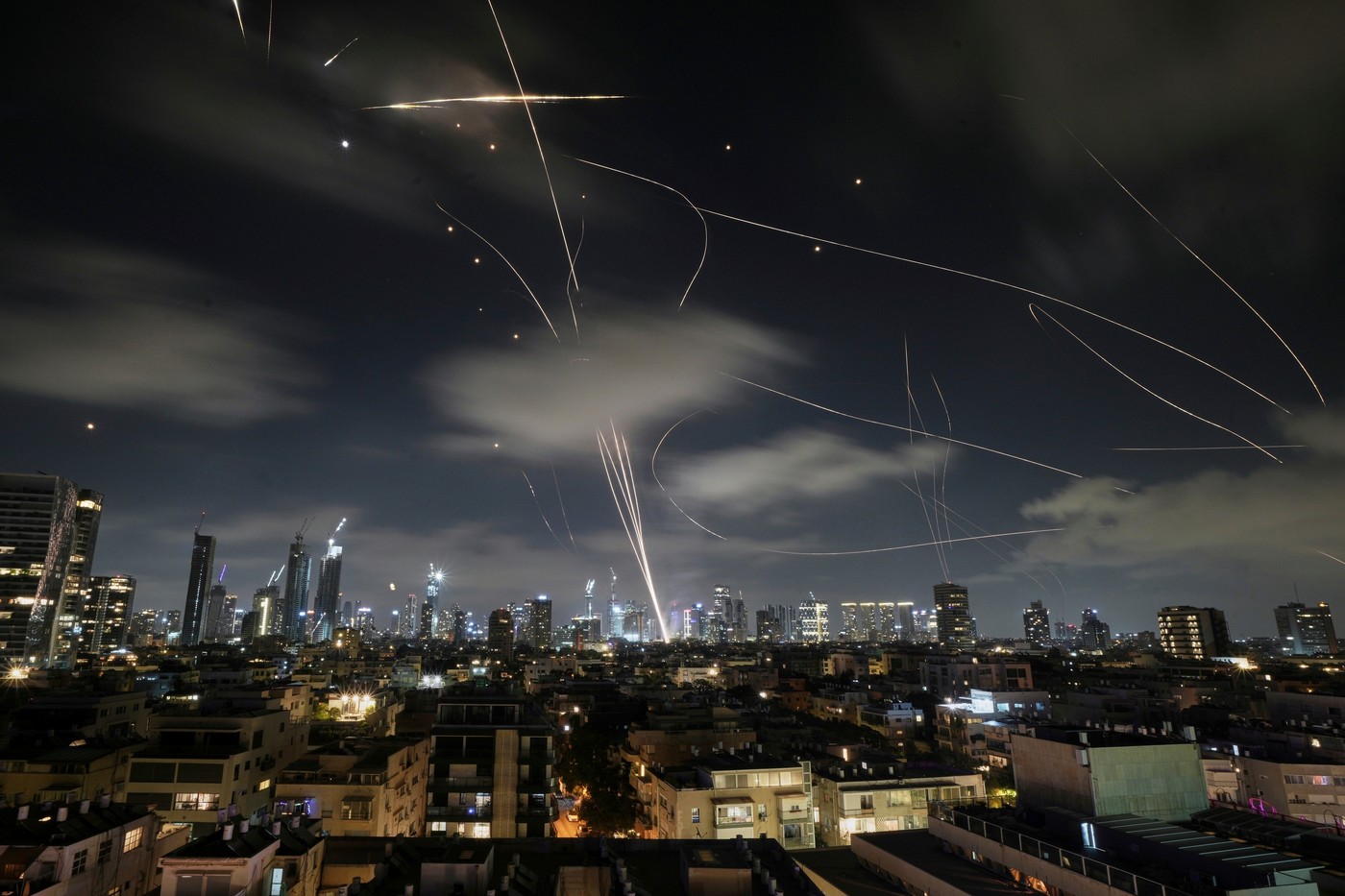
Israel and Iran launched mutual missile and drone attacks at dawn on Friday, Eid al-Fitr. Saudi Arabia, the UAE, Kuwait and Bahrain announce massive intercepts over the region, according to CNN.
Iran's public broadcaster IRIB reported that defense systems had been activated against “hostile targets” in the east of the capital Tehran, while the Israeli military said it had launched a “series of attacks” on the city.
At the same time, Israeli forces said they had identified missiles fired from Iran and that their own defense systems were working to intercept them.
In the rest of the region, the attacks come as Muslims celebrate Eid al-Fitr, which marks the end of the holy month of Ramadan.
Saudi Arabia announced through its Ministry of Defense that it had shot down at least a dozen drones over the eastern parts of the country and one over its northern Al-Jawf region in the past few hours.
The United Arab Emirates said its air defense systems were responding to missile and drone threats from Iran, with the government's press office in Dubai saying the noises heard in the emirate were the result of successful intercepts.
In Bahrain, the Interior Ministry said a fire had broken out in a warehouse due to shrapnel from an Iranian attack, and in Kuwait sirens were activated as the military said it was intercepting missiles and drones at dawn on Friday.
Mina Al-Ahmadi refinery, attacked again
Also in Kuwait, the Mina Al-Ahmadi oil refinery was attacked again by several drones on Friday morning, causing a fire in some of the facilities, KUNA news agency reported, cited by CNN.
The Kuwait Petroleum Corporation said the attack had shut down several units and firefighters were trying to control the flames. The refinery, located 40 kilometers south of the capital, was also hit by a drone on Thursday.
Netanyahu: Iran can no longer enrich uranium
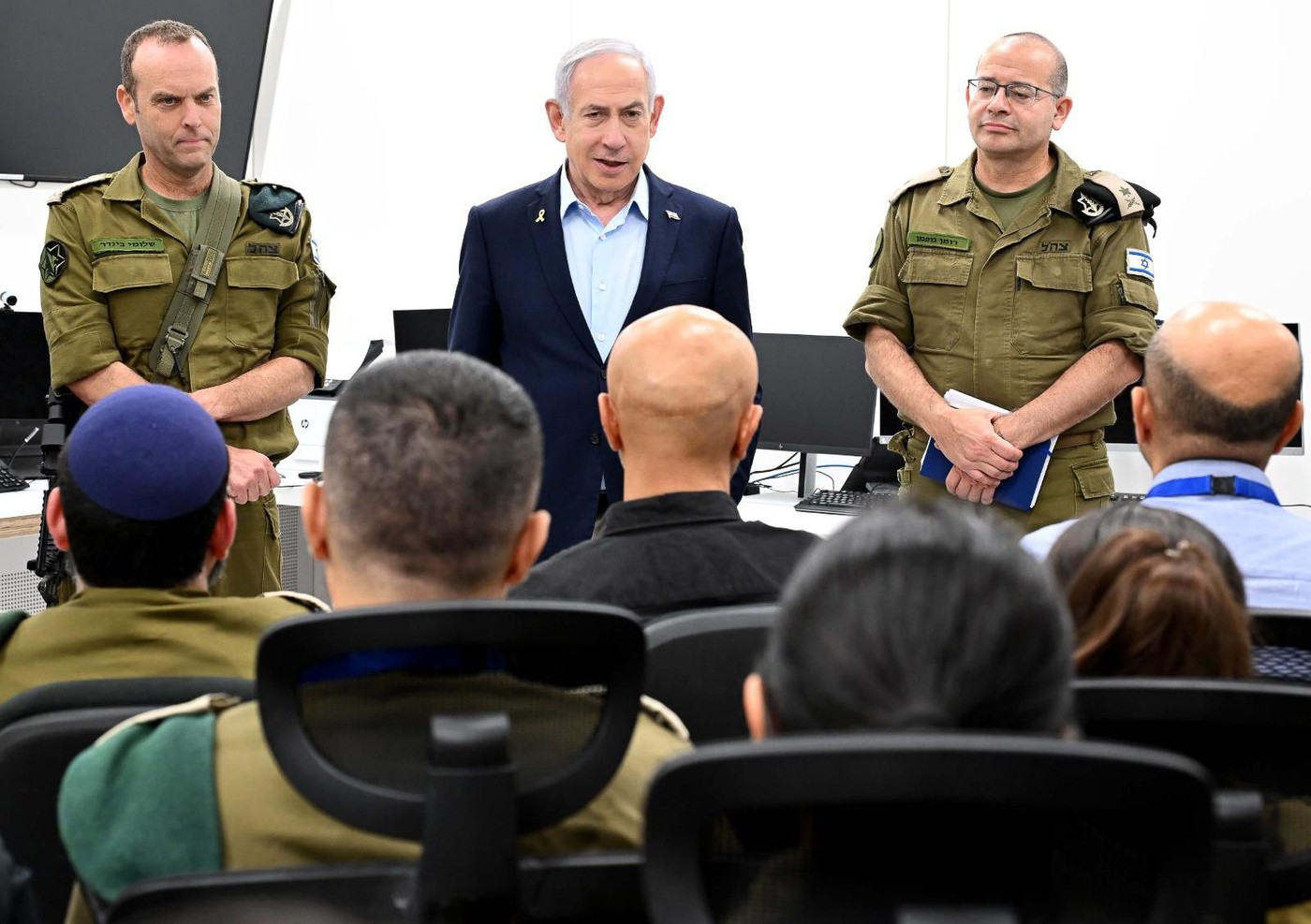
Prime Minister Benjamin Netanyahu said in a press conference Thursday evening that following recent operations, Iran no longer has the ability to enrich uranium or produce ballistic missiles.
The Israeli leader claimed that Tehran's strategic infrastructure had been severely damaged, thus eliminating the immediate nuclear threat.
At the same time, Netanyahu rejected accusations that he influenced US President Donald Trump to involve the United States in the conflict. He stated that the security decisions were taken autonomously, aimed exclusively at the defense of Israel and stability in the region.